
Social skills: How children develop essential interpersonal abilities ?
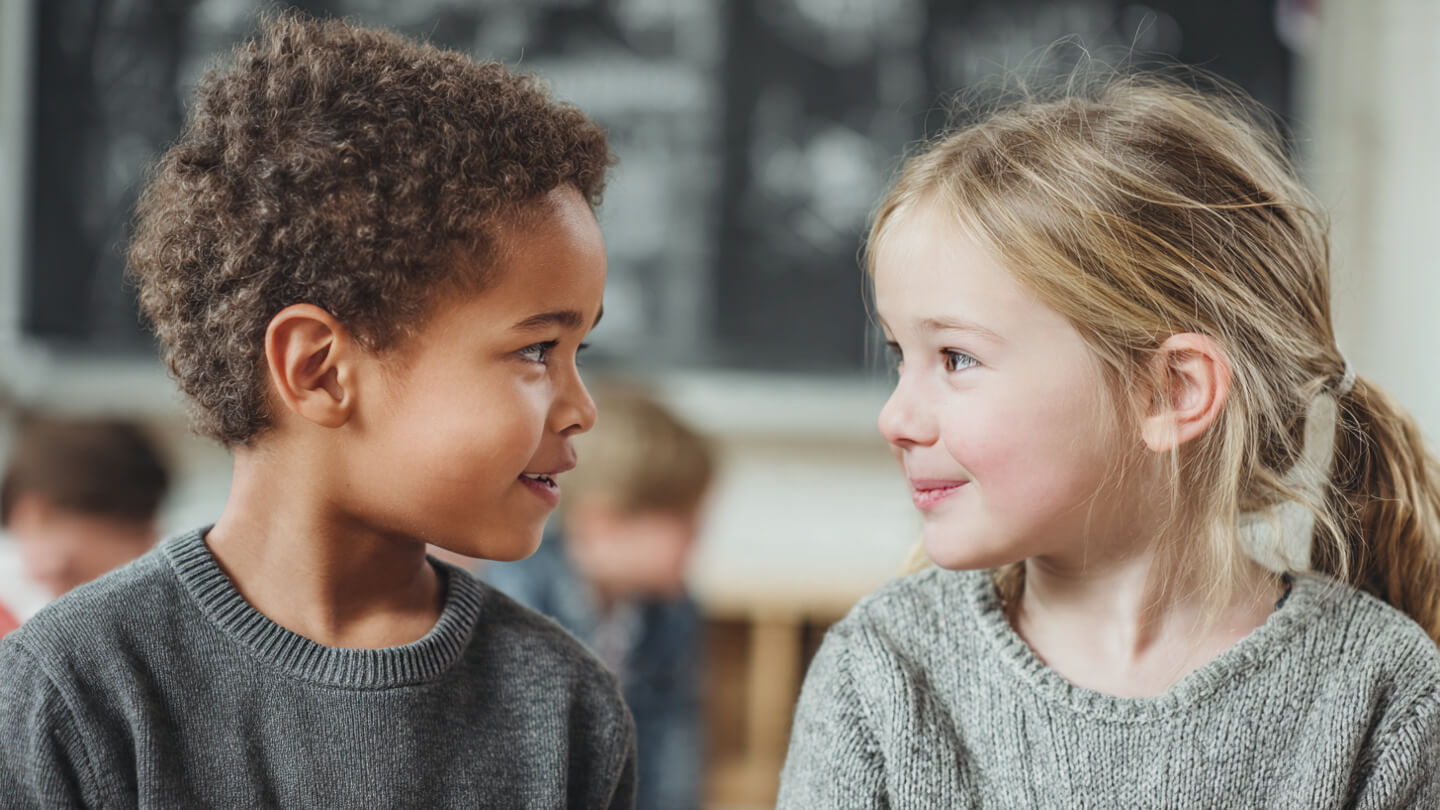
Social skills are essential for children to navigate school, friendships and later life. These skills include communication, cooperation, empathy, conflict resolution and emotional regulation. Developing strong social skills supports academic success, mental well-being and positive relationships.
Children acquire social skills through interaction, observation and guided experiences. Play, family routines and structured activities all provide opportunities to practice and refine these abilities. Understanding how social skills develop allows families in North America to support children naturally and effectively.
Verbal communication is the foundation of social interaction. Children develop vocabulary, sentence structure and storytelling abilities as they grow. Encouraging children to describe their experiences, express ideas and ask questions helps strengthen verbal skills. Reading aloud, conversation and role play are effective ways to nurture language development.
Social skills are interconnected with cognitive and emotional development. As children learn to express themselves, interpret others’ feelings and negotiate interactions, they build confidence and resilience. Parents, caregivers and educators all play a role in providing experiences that promote healthy social development. This article explores the core aspects of social skills and practical strategies to support growth across childhood.
Communication skills
Verbal Communication
Verbal communication is the foundation of social interaction. Children develop vocabulary, sentence structure and storytelling abilities as they grow. Encouraging children to describe their experiences, express ideas and ask questions helps strengthen verbal skills. Reading aloud, conversation and role play are effective ways to nurture language development.
Nonverbal sommunication
Children also learn to interpret facial expressions, gestures and tone of voice. Nonverbal cues provide critical information in social contexts. Parents can model attentive listening and appropriate responses to support understanding of these cues.
Listening skills
Active listening is a core component of communication. Children benefit from practicing focus, asking clarifying questions and showing understanding. Games, storytelling and group activities provide natural opportunities to develop listening.
Encouraging communication at home
Families can create environments that encourage communication by setting aside time for conversation, providing prompts for discussion and modeling respectful dialogue. Observing how children communicate also helps identify areas for support.
For practical guidance on supporting communication and social development through play, families can refer to communication skills to see how adult involvement enhances these skills.
Cooperation and teamwork
Learning to work with others
Cooperation is a core social skill that helps children interact effectively in groups. Through cooperative play and shared tasks, children learn to listen, share ideas, and contribute to collective goals. Early experiences in teamwork build habits of collaboration that benefit school and social life.
Role of play in cooperation
Games, group projects and pretend play encourage children to negotiate roles, follow rules and coordinate actions. Cooperative play allows children to experience both leading and following, promoting flexibility and understanding of others’ perspectives.
Conflict management
Working with others inevitably involves disagreements. Children develop problem-solving skills and patience when resolving conflicts in a structured, supportive environment. Learning to compromise, take turns and consider alternatives strengthens relationships and confidence.
Supporting cooperation at home
Parents can create opportunities for cooperation through family tasks, shared play activities and group games. Encouraging joint decision-making and praising collaborative behavior reinforces positive social interactions.
For families interested in structured guidance for developing teamwork and cooperation through daily interactions, the satellite article on cooperation and teamwork provides practical examples and strategies.
Empathy and emotional understanding
Recognizing emotions
Empathy begins with recognizing emotions in oneself and others. Children learn to identify feelings through observation, discussion and role play. Recognizing facial expressions, tone of voice and body language helps children respond appropriately in social situations.
Perspective taking
Understanding another person’s point of view is central to empathy. Pretend play, storytelling and shared problem-solving exercises allow children to imagine how others might feel or think. Perspective taking supports cooperation, conflict resolution and deeper social connections.
Responding with compassion
Empathy is not only recognizing feelings but also responding with care. Children develop this skill by practicing comforting, helping, and considering others’ needs. Positive reinforcement and modeling empathetic behavior encourage consistent application.
Integrating empathy into daily life
Parents and caregivers can support empathy by discussing emotions during everyday situations. Asking questions like “How do you think your friend felt?” or “What could we do to help?” invites reflection and practice.
For practical strategies on nurturing empathy and emotional understanding through age-appropriate play, families can explore empathy and emotional understanding to match activities with developmental stages.
Conflict resolution
Understanding conflict
Conflict is a natural part of social interactions. Children encounter disagreements with peers, siblings or adults. Learning to handle these situations constructively helps build social competence and emotional regulation.
Strategies for children
Children benefit from learning to express their needs clearly, listen to others, and brainstorm solutions. Techniques such as taking turns, using “I” statements, and negotiating compromises encourage respectful problem solving.
Role of adults
Parents and caregivers can guide conflict resolution by modeling calm, fair, and empathetic responses. They can facilitate discussions, help children identify feelings, and encourage creative solutions without imposing decisions.
Practicing conflict resolution
Role-playing scenarios and group games provide opportunities for children to practice negotiation, compromise and patience. Celebrating successful resolutions reinforces positive behaviors.
For guidance on creating supportive home environments that encourage problem solving and conflict resolution, families can refer to conflict resolution to see practical strategies for daily life.
Self-regulation and impulse control
Understanding self-regulation
Self-regulation allows children to manage emotions, behaviors and attention in social contexts. It supports patience, focus and thoughtful decision-making. Developing this skill helps children navigate social interactions more effectively and reduces impulsive reactions.
Techniques for developing self-regulation
Children practice self-regulation through structured activities, games with rules, and guided play. Activities like “Simon Says,” turn-taking games, or timed tasks teach patience and control over impulses. Mindfulness exercises and breathing techniques also support emotional regulation.
Role of parents and caregivers
Adults model self-control and guide children in recognizing triggers and managing reactions. Encouraging reflection on feelings, praising controlled responses and offering strategies for calming down help children internalize self-regulation skills.
Integrating self-regulation in daily life
Routine tasks, cooperative play and problem-solving exercises provide repeated opportunities to practice impulse control. Consistency and gentle guidance allow children to build these skills naturally over time.
For families looking to integrate self-regulation practice through play and daily interactions, the satellite article on self regulation and impulse control in children offers practical approaches.
Building confidence and social initiative
Encouraging confidence
Confidence is essential for children to engage in social situations. Children with strong self-esteem are more likely to try new activities, express ideas, and interact positively with peers. Encouragement, praise for effort, and acknowledgment of achievements help build confidence.
Fostering social initiative
Social initiative involves taking the first step to engage with others, join activities, or propose ideas. Children practice this by participating in group play, suggesting games, or inviting peers to collaborate on projects.
Role of play and activities
Structured and unstructured play provides safe opportunities to take risks and test social skills. Leadership roles in games, team tasks, and creative projects allow children to practice initiative and assertiveness.
Supporting at home and school
Parents and caregivers can encourage confidence by offering choices, acknowledging successes, and gently guiding children through challenging social situations. Creating an environment where trying is valued over perfect performance fosters resilience and initiative.
For families interested in practical ways to build confidence and social initiative through everyday interactions and play, the satellite article on building confidence an social initiative provides age-appropriate examples.
Conclusion
Developing social skills is essential for children’s success and well-being. Communication, cooperation, empathy, conflict resolution, self-regulation, and confidence form the foundation of strong interpersonal abilities. Children learn these skills through interaction, play, observation, and guided experiences.
Parents and caregivers play a crucial role in supporting social development. By providing safe environments, modeling positive behaviors, encouraging reflection, and participating in play, adults help children navigate social situations with confidence and resilience. Play at home, structured activities, and age-appropriate challenges offer repeated opportunities to practice and refine social abilities.
Families seeking practical examples of age-appropriate social activities can explore learning and play activities by age group to find strategies that match their child’s developmental stage. Integrating these approaches strengthens social competence, emotional regulation, and interpersonal confidence while keeping learning engaging and natural.