What is the parents role in learning and play ?
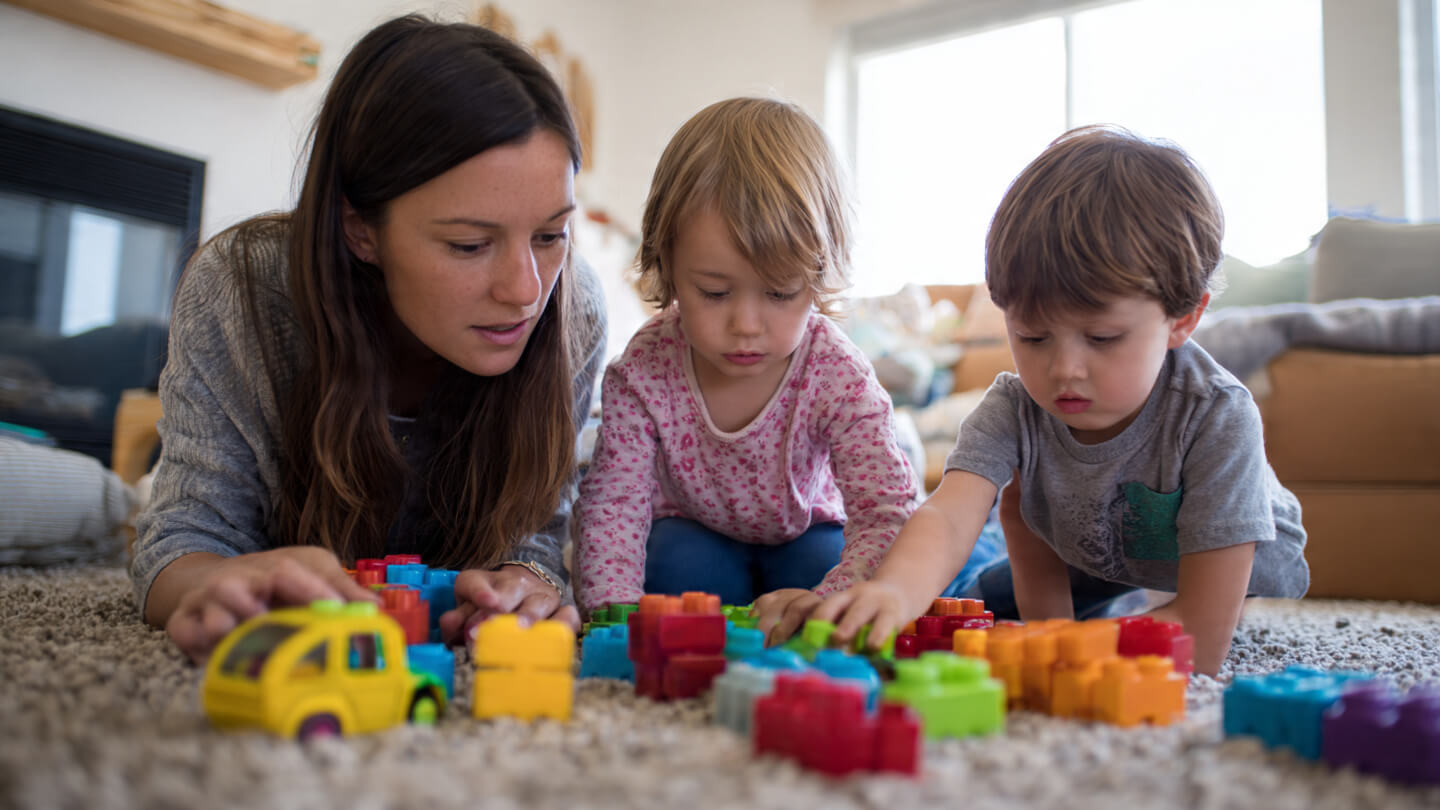
Parents are more than just the providers of shelter, food, and security. They also serve as guides, observer and partners in their children’s education. Children develop their cognitive as well as emotional, social and physical abilities most efficiently by having parents who create supportive environments and play with a sense of purpose.
Understanding the role of parents can help families incorporate learning and play into their lives in a natural way. It’s not about directing every single activity or creating strict routines. It’s about being observant and supporting children, as well as offering opportunities for children to experiment, explore and develop.
Understanding and observing your child
Why is observation important?
The first step is observation to support learning and play. The way children choose their actions, solve problems, and interact with others can reveal their passions strengths, weaknesses, and obstacles. Parents can alter their guidance in response to the results they observe.
Understanding the different learning styles
Children have their own unique methods of learning. Some prefer tactile learning and love hands-on learning. Some learn best by using language, imagination or through movement. Watching children play can help parents identify individual preferences and tailor the experience for each child.
Identifying developmental needs
Through observation, parents are able to spot important milestones in cognition and development of motor skills and language, and social development. The recognition of these milestones gives the right time to provide support and encourage the growth of children without stress.
In providing safe and supportive environments
Space Physical
A secure, well-organized space lets children explore without risk. Play areas, designated areas for building, art or movement allow children to play. Space helps children develop independence and confidence.
Support for emotions
Children play with risk when they are physically and mentally. Parents who react calmly and positively can provide security for their children’s emotional wellbeing. The act of celebrating effort, encouraging perseverance and recognizing feelings build self-esteem and perseverance.
Material and Resources
Providing simple, versatile materials enhances play. Paper, blocks crayons, household objects like sand, water, or natural materials provide diverse experiences. The aim is to be flexible and imagination, not costly toys or formal programmes.
Active participation
Joining the game without control
Parents are able to participate in the play without having to take over. Engaging in discussions, recommending challenges or expressing opinions on strategies can stimulate thinking, while allowing the child to remain in control. Interaction helps strengthen bonds and helps children understand problem-solving techniques.
Encouragement of reflection
Parents can guide their children to think about the outcomes and actions through open-ended, questioning. “What do you think will happen next?” or “How could we try this differently?” Encourages imagination and critical thinking.
Learning behaviors that are modelled
Children are able to observe their the attitudes of their parents towards learning. Showing curiosity, patience, perseverance and flexibility encourages children to adopt the same habits. Parents show problems solution, emotion regulation, and positive social interaction.
Balance between freedom and responsibility
Exploration by children
Children require time to lead the activities. Free play promotes autonomy, creativity, and decision-making. Parents take a step back to let children explore while remaining available for assistance.
Play with a guide
Guided play combines child’s choice with gentle adult guidance. Parents introduce materials, offer issues or ask questions while letting children decide direction and speed. This method extends learning without reducing autonomy or engagement.
Activities with structure
Some structured tasks are useful especially when it comes to introducing the concept of routine or new ideas. It is important to find the right the balance. Too much guidance can derail motivation and creativity. The combination of structured instruction with fun and guided play promotes an overall development.
Encouragement of emotional and social growth
Facilitating peer interaction
Parents can plan playdates and group activities that promote the sharing of ideas, cooperation and negotiation. Playing with friends teaches empathy, problem solving and also conflict resolution.
Coaching for emotional well-being
Children encounter frustration, disappointment or excitement during play. Parents can help label their emotions and teach strategies to cope, as well as encourage reflection. These techniques help with emotional regulation and build resilience.
Confidence building
Children should be able to make their own choices as they solve problems, think about their choices and accomplish tasks on their own boosts confidence in themselves. Parents encourage and reward the effort, rather than focusing only on the results.
Incorporating play and learning into everyday life
Opportunities every day
Everyday routines provide opportunities for play and learning. Cleaning, cooking gardening, organizing toys can be transformed into exciting activities. Kids learn mathematics, science, language and problem solving by engaging in practical activities.
Congruity and regular routine
Regular play time, no matter how short ones, allow children to anticipate and become engaged. Routines that are predictable provide safety while stimulating curiosity and independence.
Flexibility
Parents adjust their activities according to their mood, energy level, and other interests. Flexibility helps learning remain fun and enjoyable. Kids are much more likely be engaged when the activities can be tailored to their interests.
Long-term effect
Participation of parents in the learning process and play encourages the lifelong pursuit of curiosity, perseverance and problem-solving capabilities. Children develop their cognitive, social emotional, physical capabilities that help them prepare for life and school challenges. Parents who are attentive, supportive and take part in the process create positive connections with learning and help to encourage confident, self-sufficient children.
Conclusion
Parents play a key part in shaping children’s learning and play experience. The observation, support, and participation allow children to develop abilities naturally, while maintaining their the freedom and fun. Families can offer safe environments that can be used for a variety of activities, as well as emotional security while balancing and guided play with structured and supervised.
Families who want to see concrete examples of activities at home could consider the possibilities of learning and playing at home with parents to observe the way routines, materials, and parental involvement can support the development of children. Incorporating these practices increases the confidence, curiosity and learning habits.