Communication skills: How children learn to express themselves ?
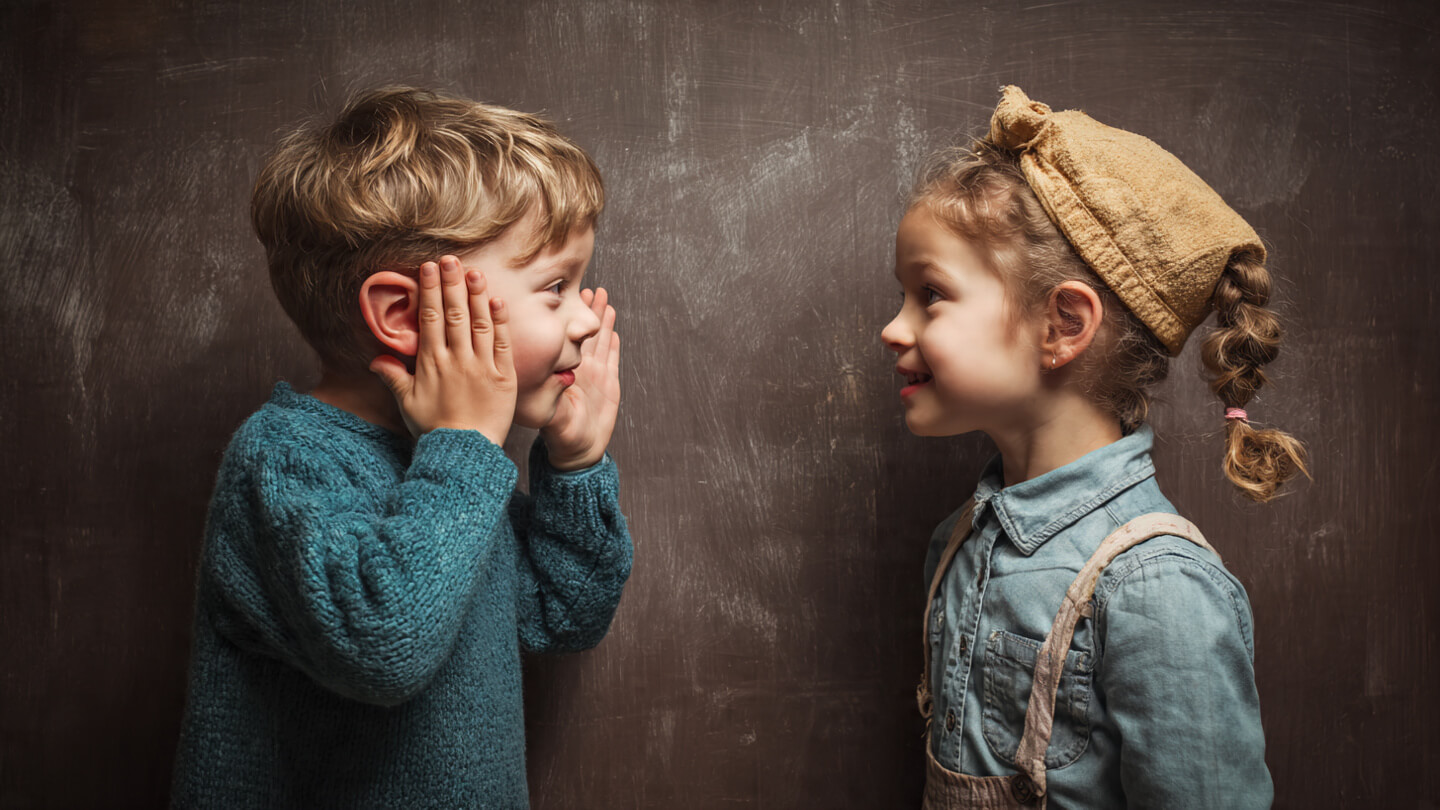
Empathy helps children recognize emotions within themselves and in others and react accordingly. Understanding emotions helps them manage friendships, co-operate with others, and resolve conflicts.
Children begin to develop empathy slowly. Experiments at home, school, and in play help them to sense emotions, see different perspectives, and then respond with compassion. Parents and caregivers help guide the development of this skill by modeling behavior, talking about emotions and offering organized opportunities to practicing.
The ability to understand and support empathy and emotional skills provide children with tools to ensure their social achievement. These skills help improve relations, self-regulation and problem-solving while building resilience and self-confidence. This article outlines strategies to foster empathy and emotional awareness throughout the years of childhood.
Recognizing emotional states
Identifying emotions
Children develop empathy first by recognizing the emotions of others. The ability to identify emotions such as sadness, joy anger, fear, or sadness assists children in understanding their feelings and effectively communicate them.
Watching other people
Children are taught to recognize the emotions of others through the expressions of their faces, bodies and voice tone. Learning to observe attentively and then talking about cues helps them improve their ability to recognize social signals.
Role of Play
Playing with puppets, role-playing, and storytelling give children the chance to explore emotions through safe situations. Children can develop their skills in recognizing emotions while discussing outcomes, as well as making predictions about reactions.
Emotion recognition with support at home
Parents can ask questions such as “How do you think your friend feels?” or make comments on the emotions they observe in everyday life. The gentle guidance helps build trust and promotes discussions.
Perspective take
Understanding other perspectives
Perspective-taking lets children think about what other people think, feel or react. This ability helps build collaboration, communication, and the ability to resolve conflicts.
Strategies for practicing
Play, storytelling and group problem-solving games allow children to think about diverse perspectives. Discussion of characters’ motivations, or asking children to imagine how someone may feel encourages reflection.
Encouragement of the use of thoughtfulness
Parents can help children think about alternative solutions or reactions during everyday interactions. For example, questions like “What would you do if you were in their place?” encourage the ability to think critically and with empathy.
Integrating perspective into the everyday routine
Family discussions or chores with a group of people, or games that are played together provide opportunities to learn how to see things from different perspectives.
Reacting in compassion
Showing support and care
Empathy is the act of acting upon the basis of understanding. Being a friend to others, comforting them or helping them out teaches children to use their understanding into actions that are supportive.
Encouraging helping behavior
Parents can show compassion by being thoughtful when responding to others and rewarding children for their kindness. Engaging children in activities with their families or communities helps reinforce caring behavior.
Practice guide
Structured games, role-play, or real-life scenarios help children practice compassionate responses. Feedback and discussions help to enhance learning and motivate children.
Reflection on emotions
The idea of asking children to reflect on the ways in which their actions impacted others helps build understanding of the cause and impact when it comes to social interaction.
Families looking to incorporate practices of empathy into their routines and activities, the link to the article about playing and learning at home with families offers practical suggestions.
Controlling emotional reactions
Recognizing triggers
Children gain insight into how situations trigger strong emotions. Understanding triggers helps regulate and the appropriate behavior in social situations.
Techniques for regulation
Pauses in breathing, pausing before responding with words, and using them to express emotions teach children the ability to control their impulses. Games and structured exercises provide the opportunity to practice these strategies in a safe environment.
Adult guideline
Parents can model emotional regulation through staying calm, expressing strategies, and helping children through difficult situations. The consistency of their behavior reinforces the process of learning.
Integrating regulation daily
Daily routines, play with others and group activities offer the opportunity to practice managing emotions over time. Retrospection and feedback following experiences help to improve skills over time.
Building social awarenes
The observation of social dynamics
Empathy develops alongside social awareness. Children learn to be aware of social norms and behaviors, as well as read signals, and modify their behaviour accordingly.
Promoting mindfulness in interaction
Parents may discuss social issues and encourage children to think about consequences, and also highlight positive behavior in their the group. Understanding the social context helps to foster empathy and respect.
Peer relationships that support HTML0
Activities that are guided and interactions with family members allow for opportunities to exercise social awareness. Recognizing the behavior of co-operation and reflecting on the results enhances understanding of the dynamics of groups.
Empathy training within real-life situations
Activities for the home and family
Family routines, chores that are cooperative and play with friends allow children to be aware of others their needs and to respond with thoughtfulness. Repeated practice in familiar settings increases confidence and helps to internalize empathy.
Community and school
Playdates, group projects, and activities for the community provide opportunities to build empathy in more social settings. The real-world experience helps reinforce skills acquired at home.
Encouragement of growth and reflection
Parents can encourage reflection on the daily activities and ask children to reflect on what they enjoyed and what they could do to improve. Discussions reinforce learning and promote continuous growth in empathy.
Additional strategies for enhancing social development through playing and reflecting, the family could investigate conflict resolution: Helping children Identify Conflicts to improve the ability to communicate verbally and nonverbally.