How can parents choose the best co parenting app for their family?
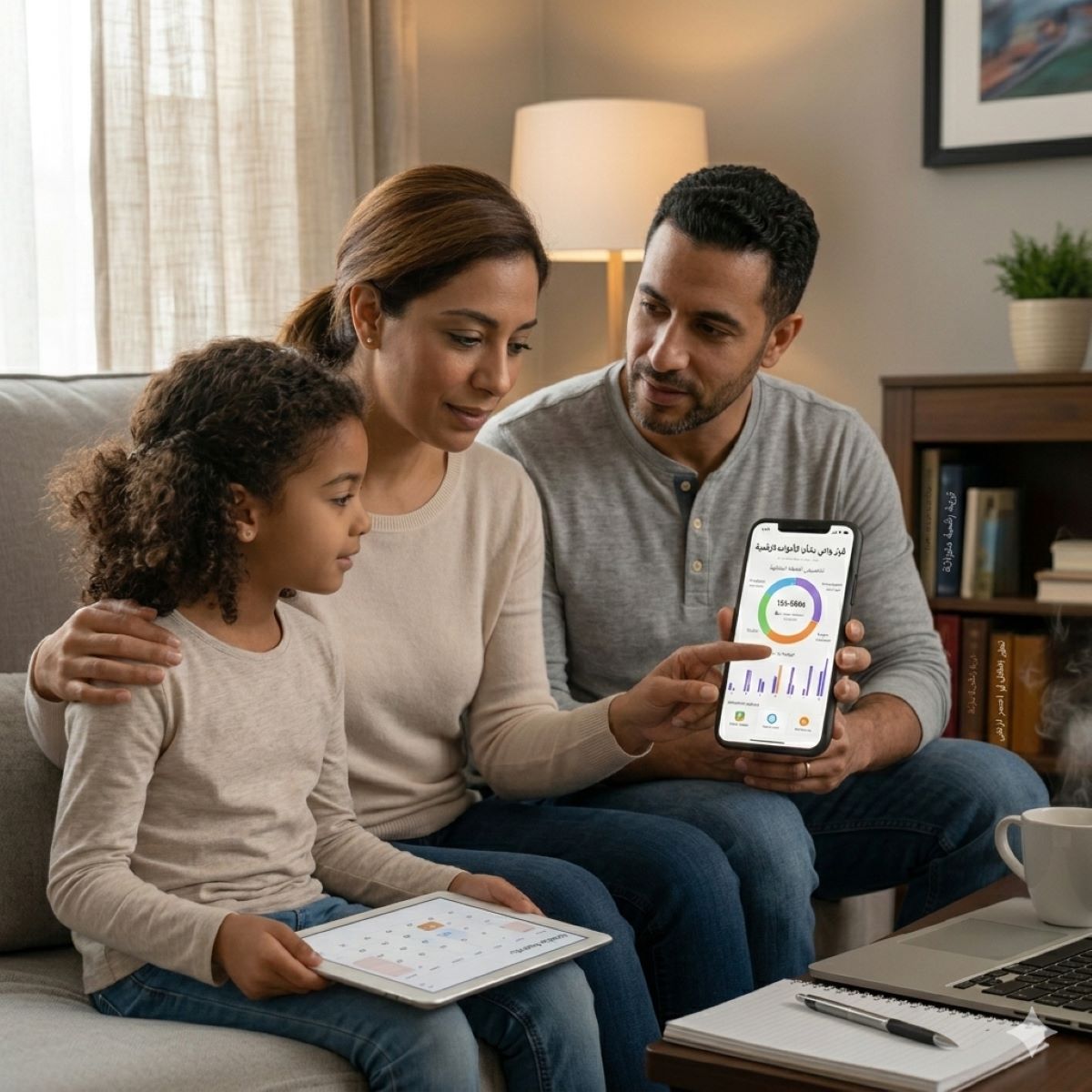
Choosing a co parenting app can feel like a high stakes decision. Parents are not just selecting software. They are choosing a tool that will shape routines, communication, and digital boundaries. With so many options available, it is easy to feel overwhelmed. Some apps promise total control. Others focus on coordination or safety. The best choice is rarely the most complex one. It is the one that fits the reality of your family. Understanding what to look for helps parents make a decision that supports children without adding stress.
Start with your family’s real needs
Every family situation is different. Some parents share custody across two homes. Others live together but manage busy schedules. Before comparing features, it helps to clarify what problem you want the app to solve.
Some families need help aligning screen time rules. Others need better communication tools. Some want location awareness for safety. Identifying your primary need prevents overbuying features that will never be used.
Family researchers emphasize that tools work best when they respond to specific needs rather than vague concerns. Choosing an app becomes easier when the purpose is clear.
Consider how many caregivers are involved
Co parenting often includes more than two adults. Stepparents, grandparents, or after school caregivers may play a role. An app that allows multiple caregivers to access shared information reduces confusion.
Shared access supports consistency. Children receive the same expectations regardless of who is supervising them. This consistency protects emotional security.
Apps that limit access to one parent may unintentionally increase tension. Flexibility supports cooperation.
Look for ease of use over technical power
An app that is difficult to set up or navigate often gets abandoned. Ease of use is a safety feature.
Parents benefit from:
- clear dashboards
- simple language
- intuitive controls
Consumer Reports surveys show that parents stop using apps they find confusing within weeks. The best app is one you will actually use consistently.
Prioritize features that support consistency

Consistency matters more than strictness. Features that synchronize screen time limits across devices and homes reduce daily conflict.
Parents should look for:
- shared screen time schedules
- automatic enforcement
- visible settings for all caregivers
Consistency helps children internalize boundaries rather than test them.
Balance monitoring with trust
Many parents worry about finding the right balance between safety and privacy. Excessive monitoring can damage trust. Too little guidance can leave children unprotected.
Experts recommend choosing apps that allow gradual adjustment. Features should support guidance rather than constant surveillance.
Transparency with children matters. Explaining what is monitored and why builds trust and cooperation.
Communication is central to co parenting success. Apps that include shared notes or messaging reduce misunderstandings.
Good communication features keep conversations focused on logistics rather than emotion. This protects both parents and children from unnecessary conflict.
The role of communication tools in digital safety is explored further in are co parenting apps effective for communication and boundaries, where structured systems improve cooperation.
Review privacy and data protection policies
Parental control apps collect sensitive information. Parents should review privacy policies carefully.
Important questions include:
- who can access the data
- how long data is stored
- whether information is shared with third parties
Trust in the app supports trust within the family. Apps that are transparent about data practices feel safer to use.
Think about your child’s age and development
Children’s needs change over time. An app that works well for a young child may feel restrictive for a teenager.
Parents should choose apps that allow rules to evolve. Age appropriate flexibility supports independence and responsibility.
Developmental research shows that gradual autonomy supports better decision making. Apps that grow with children reduce the need to switch tools frequently.
Consider emotional impact, not just control
Digital tools influence family emotions. Apps that trigger constant alerts can increase anxiety. Apps that reduce negotiation can lower stress.
Parents should observe how the app affects family mood. Does it support calm routines or create tension.
Choosing tools that reduce emotional load supports overall well being.
Read reviews with discernment
User reviews provide insight but should be read critically. Some complaints reflect unrealistic expectations rather than flaws.
Look for patterns. Ease of use. Reliability. Customer support. These factors matter more than individual opinions.
Professional reviews from trusted sources can add context.
Try before committing long term
Many apps offer free trials. Testing an app with your family provides valuable information.
Observe how children respond. Notice how communication feels. Pay attention to your own stress level.
Short trials reduce pressure and support informed decisions.
Align the app with your parenting values
Technology should support your values, not replace them. Whether your focus is safety, balance, or cooperation, the app should reflect that.
Parents who choose tools aligned with their values report higher satisfaction and consistency.
Values driven choices feel less reactive and more intentional.
When no app feels perfect
No app will solve every challenge. Co parenting apps are supports, not solutions.
Sometimes the best choice is a simple app used consistently rather than a powerful one used sporadically.
Flexibility and willingness to adjust matter more than perfection.

The long term view
Choosing a co parenting app is part of a larger journey. As children grow, needs change. Tools may change as well.
The goal is not permanent control. It is to support safety, communication, and gradual independence.
When apps are used thoughtfully, they become part of a supportive system rather than a source of conflict.
Parents choose the best co parenting app by focusing on fit rather than features. Understanding family needs, prioritizing consistency, and balancing safety with trust lead to better decisions. Ease of use, communication tools, and privacy practices matter more than complex monitoring.
When chosen intentionally, co parenting apps support digital safety and emotional well being. They help families navigate modern parenting with more clarity and less conflict.