How to recognize signs of stress in children before they escalate

Stress in children rarely announces itself clearly. Here is what parents need to watch for and how to respond with calm and confidence.
Most of the time, stress shows up in small changes that are easy to miss at first. A child may become quieter than usual. Another may snap at siblings over nothing. Some complain about stomachaches or headaches even when nothing seems physically wrong. Others cling more, sleep poorly, or fall behind at school.
For many parents in the US and Canada, daily life moves fast. School schedules, extracurricular activities, homework, family transitions, screen time, social pressure, and changes at home can all disrupt a child’s emotional balance. Stress is a normal part of life but when it builds up, it tends to come out through behavior rather than words.
The goal is not to panic at every hard day. The goal is to notice patterns. When parents can spot early signs of stress, they are better positioned to respond with calm, support, and practical help.
Stress in children does not always look like stress
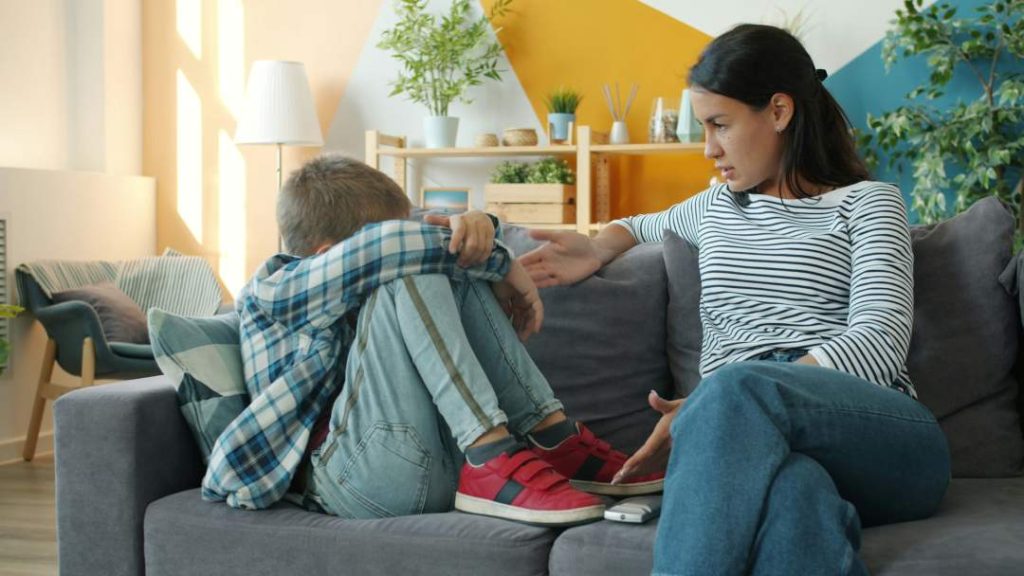
Adults typically imagine stress as worry, overthinking, or mental overload. Children can experience those things too but their stress often looks very different. A stressed child may seem defiant, emotional, distracted, tired, or unusually sensitive. Sometimes stress looks like sadness. Sometimes it looks like anger. Sometimes a child simply starts “acting younger” than their age.
That is why behavior matters so much. A child who cannot explain what they feel will often show it through their body, mood, sleep, appetite, or daily habits. A seven year old who melts down every morning before school may not be misbehaving they may be overwhelmed. A ten year old with stomach pain every Sunday night may be carrying anxiety they cannot name.
Emotional signs parents may notice
One of the first places stress appears is in a child’s emotions. Some children become more irritable. They snap at sOne of the first places stress surfaces is in a child’s emotions. Some children become more irritable snapping at siblings, crying more easily, or getting upset over things that normally would not bother them. Others grow anxious and ask for constant reassurance. You may notice:
- More crying than usual or sudden mood swings
- Irritability, anger, or disproportionate frustration
- Fearfulness, clinginess, or separation anxiety
- Excessive worry about routine events
- Sadness or emotional withdrawal from family
A child does not need to show all of these signs. Even one or two changes that persist for a few weeks can be meaningful. What matters most is a noticeable shift from their usual self.
Physical signs of stress in children
Stress is not only emotional. It can live in the body. Many children express stress physically because the body reacts before the child can explain what is wrong.
Common physical signs include headaches, stomachaches, trouble sleeping, nigstress is not only emotional it lives in the body. Many children express stress physically because the body reacts before the child can articulate what is wrong. Common physical signs include headaches, stomachaches, trouble sleeping, nightmares, low appetite, fatigue, and restlessness. Some children grind their teeth at night. Some wet the bed after a long period without accidents. Others frequently complain of feeling sick when there is no detectable illness.htmares, low appetite, fatigue, and restlessness. Some children grind their teeth at night. Some suddenly wet the bed after a long period without accidents. Others complain often about feeling sick when there is no clear illness.
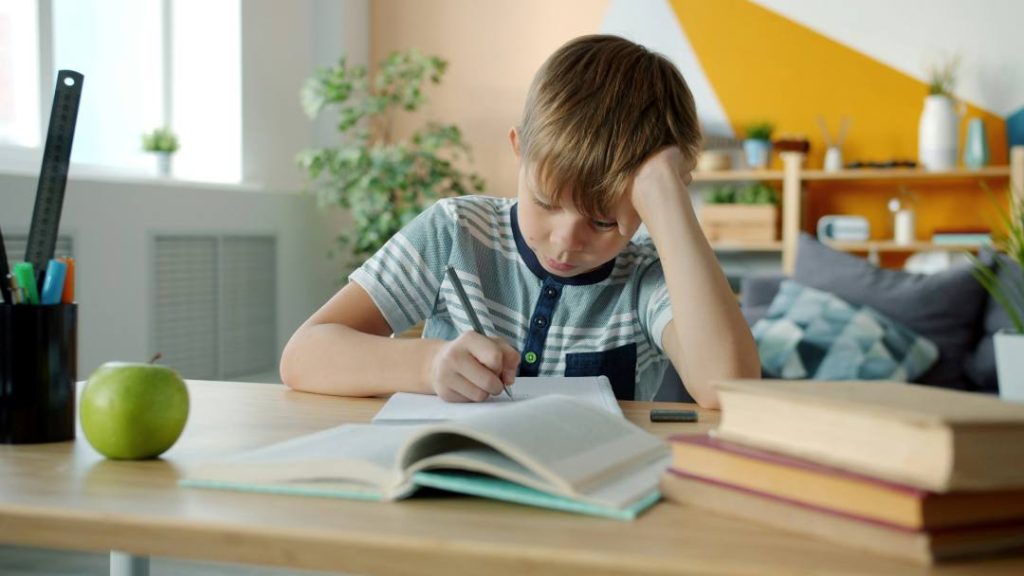
Recurring stomachaches and headaches with no medical cause are among the most common physical signs of stress in school age children.
When medical tests come back normal but the child still seems uncomfortable, that does not mean the symptoms are invented. It means stress may be presenting in a physical form. When the nervous system stays tense, the body does too a child may fidget more, chew their nails, pick at their skin, or struggle to sit still. These are signals of internal pressure.
When the nervous system stays tense, the body can also stay tense. A child may fidget more, chew nails, pick at skin, or struggle to sit still. These can be signals of internal pressure.
Behavioral changes that can signal stress
Behavior is one of the clearest windows into a child’s inner world. Stress can make children act in ways that seem unusual, difficult, or out of character. A child under stress may:
- Have more tantrums or emotional outbursts
- Resist school or daily routines
- Argue more at home or become more aggressive with siblings
- Avoid activities they once enjoyed
- Become unusually quiet or seek constant attention
- Struggle to focus or seem forgetful and disorganized
- Return to younger habits like thumb-sucking or baby talk
Regression is common when children feel overwhelmed. A child may need more comfort, more closeness, or more help with tasks they once handled alone. This is not a sign of failure — it is usually a sign that the child is trying to feel safe again.
How stress looks at different ages
Toddlers and preschoolers
Younger children often show stress through crying, clinginess, sleep disruption, tantrums, separation anxiety, or changes in toilet habits. They rarely have the words to explain what they feel. Their body and behavior do the communicating for them.
School age children
Children in elementary school may begin complaining of headaches or stomachaches, resist going to school, become more irritable, lose focus, or ask for constant reassurance. Some become perfectionistic and develop a fear of making mistakes.
Preteens
Older children may become more withdrawn, more reactive, or more sensitive to peer dynamics. They tend to hide stress better than younger children but it still surfaces. Watch for changes in sleep, attitude, motivation, or self-confidence. Some preteens seem constantly on edge; others shut down emotionally.
School related signs parents should not ignore
For many children, stress becomes visible through school life. Academic pressure, social tension, bullying, major transitions, learning struggles, and fear of disappointing adults can all create emotional strain. Pay attention if your child:
- Suddenly refuses to go to school
- Complains of illness primarily on school days
- Has noticeably dropping grades
- Increasingly avoids homework
- Talks with strong negative emotion about teachers or classmates
- Grows distressed before tests or presentations
- Loses interest in learning altogether
Not every school struggle signals stress but repeated patterns deserve attention. Children spend a large portion of their week in school. When something feels heavy there, it almost always spills into home life.
Not every school struggle means stress, but repeated patterns deserve attention. Children spend a large part of their week connected to school. When something feels heavy there, it often spills into home life.
What can trigger stress in children
Sometimes the cause is obvious: a move, a divorce, a loss, a new school, family conflict, illness, or bullying. Other times, stress builds from smaller things accumulating over time. Common triggers include overscheduled routines, lack of sleep, tension at home, social struggles, academic pressure, changes in family structure, frightening news, excessive screen time, sensory overload, and unrealistic expectations.
Children do not need a major crisis to feel stressed. Even positive changes a new sibling, a new school year, a family trip can create emotional strain when a child feels uncertain or overstimulated.
Phase versus pattern: how to tell the difference
Every child has off days. One rough afternoon does not automatically signal something deeper. What matters more is duration, intensity, and frequency. Ask yourself:
- Has this change lasted more than a couple of weeks?
- Is it happening in more than one setting?
- Does it feel stronger than the situation calls for?
- Is it affecting sleep, school, family life, or friendships?
- Does my child seem less like themselves lately?
Patterns deserve gentle attention. Parents do not need to diagnose anything they simply need to notice and respond.
What helps when you notice signs of stress
The first step is not correction. It is connection. Children handle stress better when they feel safe, seen, and supported. Start with calm observation. Instead of asking “Why are you acting like this?”, try a softer approach: “I’ve noticed school mornings feel hard lately,” or “You seem more tired and upset than usual.” This opens the door without making the child feel judged.

Getting down to your child’s eye level and using calm, open language signals safety and safety is where healing begins.
Other practical steps include:
- Protecting sleep and rest time
- Reducing unnecessary pressure
- Creating predictable daily routines
- Making space for feelings without rushing to fix them
- Spending quiet one-on-one time together
- Limiting overstimulation where possible
- Talking with teachers if school stress may be a factor
- Monitoring ongoing physical complaints
Children often regulate more easily when the adults around them become steadier, more curious, and less reactive.
When extra support may be needed
Some stress improves with time, comfort, and small changes at home. Some does not. If your child’s symptoms are intense, frequent, or affecting daily life, it may be worth speaking with a pediatrician, school counselor, or child therapist. Consider seeking support if your child is experiencing ongoing sleep disruption, repeated physical complaints, strong school refusal, frequent panic, significant mood changes, or behavior that feels consistently difficult to manage at home.
Getting help early can make a real difference. Asking for support is not overreacting it is part of caring well for a child.
A final note for parents
Children are always communicating, even when they are not using words. Stress has many faces — it can look like anger, clinginess, silence, stomach pain, tears, or refusal. When parents learn to read those signals with patience, they create a safer space for children to recover and grow.
Noticing the signs is the beginning. The next step is giving your child tools that actually help them calm their body and feel more secure a natural place to continue is breathing exercises for kids, especially when stress rises quickly and your child needs simple ways to settle in the moment.