
Parent wellness: Reclaiming mental and emotional balance in modern parenting

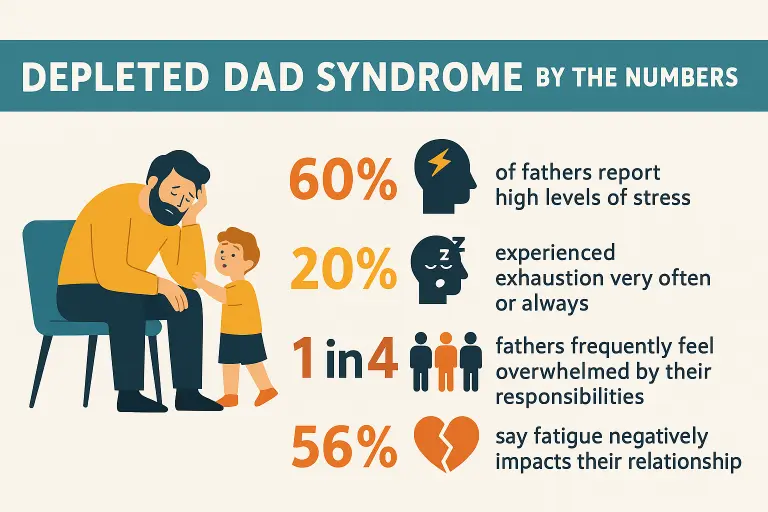
many parents in the usa and canada live a quiet contradiction. they love their children deeply yet feel mentally drained, emotionally tense, and slowly disconnected from themselves. this is often mistaken for poor time management or personal weakness. in reality it reflects the psychological weight of modern parenting.
parent wellness is not about becoming more productive.
it is about becoming more balanced in an environment that constantly pulls parents out of themselves.
today’s parents are not only raising children. they are managing expectations, comparisons emotional labor, and invisible standards that quietly erode inner stability.
when parent wellness declines, the impact spreads:
patience shortens
communication feels heavier
emotional presence decreases
joy turns into obligation
this pillar brings together the hidden pressures affecting parents and organizes them into a clear, compassionate framework. understanding comes first. solutions come after awareness.
Why parents feel constant pressure without knowing why
many parents struggle to explain the pressure they feel. nothing dramatic may be happening. routines work. children are cared for. yet internally, tension never fully leaves.
this pressure does not come from one event. it comes from accumulation.

parents today are expected to:
anticipate needs
manage emotions
make informed choices
stay calm while doing all of it
much of this effort is invisible, which makes it even more exhausting.
over time, pressure becomes a background state.
parents wake up already tired
small problems feel heavy
rest does not fully restore energy
because the mind never truly disengages.
when exhaustion feels normal, parents stop questioning whether the load is sustainable.
internalized expectations intensify this cycle. many parents believe they should be able to handle everything. when they cannot, they blame themselves instead of questioning the system surrounding them.
naming this pressure is the first act of parent wellness. once parents recognize that tension has cultural and structural roots, self-judgment begins to soften.
this deeper exploration continues in
Why parents feel costantly under perssure without knowing why?
Parental boundaries and emotional protection

parent wellness also depends on how parents protect their energy. without boundaries, emotional exhaustion grows quietly. saying yes to everything, absorbing every emotion, and overextending care often leads to resentment and depletion.
healthy boundaries are not distance. they are clarity. they allow parents to remain emotionally available without losing themselves.
when parents learn to protect their emotional space, connection becomes more sustainable.
this dimension is explored in
Parental boundaries how parents set limits without losing themselves
Rebuilding balance through supportive partner communication

parent wellness is deeply relational. even emotionally aware parents struggle when the mental and emotional load is carried alone.
the parenting load includes more than visible tasks. it also involves planning, anticipating, remembering, and emotionally holding the family together.
when this invisible work falls mostly on one parent, stress accumulates quietly. resentment can grow even in loving relationships.
supportive communication shifts the focus from blame to shared awareness. instead of arguing about who does more, partners begin to understand how the system affects both of them emotionally.
balance does not require perfect equality. it requires visibility, flexibility, and mutual respect.
practical communication strategies are explored in
How to build supportive communication with your partner to share parenting load
Releasing modern parenting trends that increase mental strain
some pressure does not come from personal limits. it comes from modern parenting trends that quietly raise expectations.
many trends promote awareness, but when applied rigidly they create emotional strain.

common pressure points include:
feeling required to respond perfectly at all times
analyzing every emotional interaction
explaining every reaction
performing emotional intelligence continuously
comparison culture deepens strain. curated narratives make calm homes and regulated children appear normal.
releasing these trends does not mean lowering care. it means choosing what supports emotional health.
a deeper exploration is available in
Modern parenting trends to let go of for mental peace
Real-life coping skills that protect parent wellness
parents survive through adaptation, not perfection. real-life coping skills are practical, flexible adjustments that protect emotional balance.

many families cope by lowering internal standards. they choose sustainability over constant effort.
small recovery rituals also matter. brief moments of pause help regulate the nervous system before stress becomes overwhelming.
emotional honesty is another coping tool. naming exhaustion calmly reduces internal tension and prevents emotional spillover.
these everyday strategies are explored further in
Coping skills parents use from real families
The hidden emotional cost of trying to be a “good parent”
wanting to be a good parent is natural. the problem arises when this ideal becomes rigid.
the pressure to always respond well, stay patient, and meet every emotional need drains energy over time.

when worth becomes tied to parenting performance:
rest feels undeserved
boundaries feel selfish
personal needs are minimized
letting go of perfection does not lower values. it redefines success as reliability, repair, and emotional safety over time.
this deeper reflection continues in
The emotional cost of always trying to be a “good parent”
Conclusion

parent wellness is not built through sacrifice or endless effort. it grows through awareness, permission, and emotional balance.
modern parenting places parents in a constant state of evaluation. emotional labor is high. comparison is constant. expectations are rarely acknowledged.
over time, parents disconnect from their own needs.
restoring wellness requires:
questioning harmful narratives
releasing unnecessary pressure
rebuilding internal safety
when parents feel grounded, parenting becomes more sustainable and more human.
a powerful starting point for many parents is understanding the hidden pressure they carry every day, explored more deeply in
Why parents feel costantly under perssure without knowing why?
parent wellness grows when parents allow themselves to be real, regulated, and imperfect. this does not weaken families. it strengthens them from the inside out.