Types of play that support learning
I am Larbi. I am fifty five years old with a bachelor’s degree in education. I have spent decades coaching families on child development and practical learning strategies. One of the most powerful ways children develop is through play. Play is not just entertainment. It builds cognitive skills, social understanding, language and emotional regulation. Recognizing the types of play helps parents provide experiences that match their child’s interests and developmental stage.
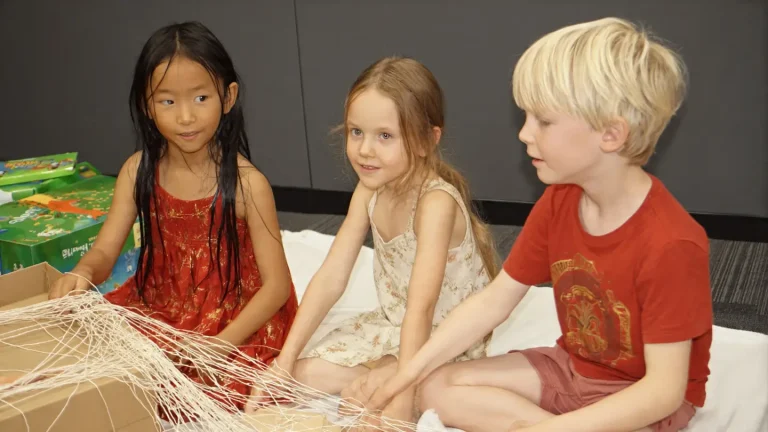
Different types of play offer unique benefits. Free play encourages creativity. Pretend play builds imagination and social understanding. Constructive play develops problem solving and fine motor skills. Physical and sensory play enhance coordination and sensory processing. Guided play combines child choice with gentle adult support. Families who understand these forms of play can help children thrive while keeping daily life manageable.
Free play
Definition and importance
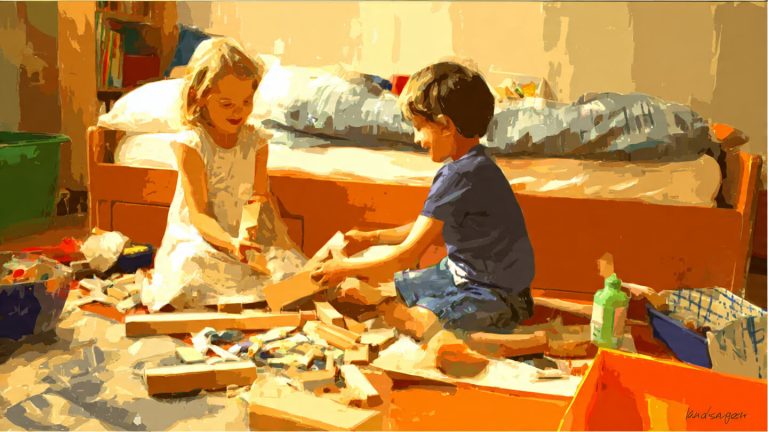
Free play is child-directed. Children decide what to do, how to do it and how long to continue. There are no set goals imposed by adults. Free play allows children to explore interests, test ideas and develop independence. It encourages decision making, problem solving and self-confidence.
Benefits for learning
During free play, children practice planning and flexibility. They experiment with solutions and test outcomes. A block tower may fall and be rebuilt multiple times, teaching persistence and critical thinking. Free play also strengthens social and emotional skills when children engage with peers or siblings.
Supporting free play at home
Parents can support free play by providing space and materials without directing the activity. Simple toys, household objects or natural materials are enough. Observation and gentle encouragement help children extend learning without reducing independence.
Pretend play
Role and imagination
Pretend play allows children to take on roles and create scenarios. Playing family, school, or imaginary characters helps children understand social rules, emotions and perspectives. Pretend play strengthens creativity and narrative skills.
Language and communication
Children engage in dialogue, storytelling and negotiation during pretend play. They expand vocabulary, practice sentence structure and refine communication skills. Even solo pretend play supports thinking and planning as children create storylines and make decisions.
Social and emotional development
Pretend play teaches empathy, cooperation and emotional understanding. By imagining different viewpoints, children learn to interpret feelings and intentions. Negotiating roles and storylines provides practice in conflict resolution and collaboration.
Constructive play
Building and creating
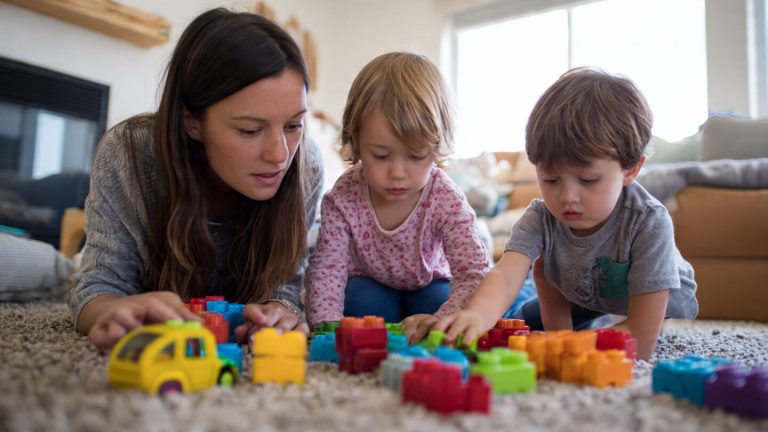
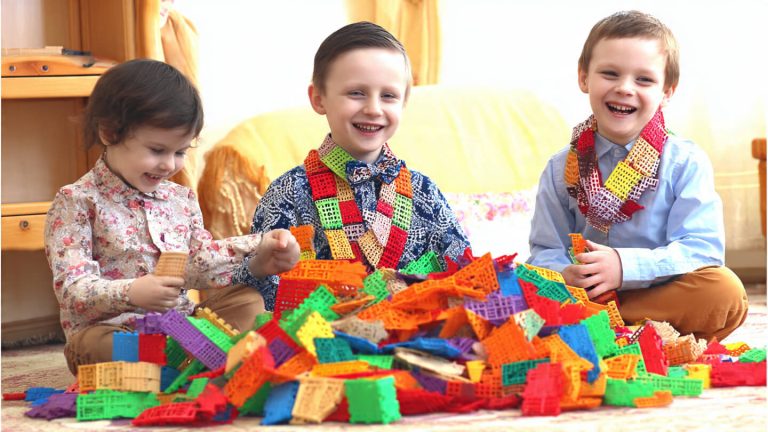
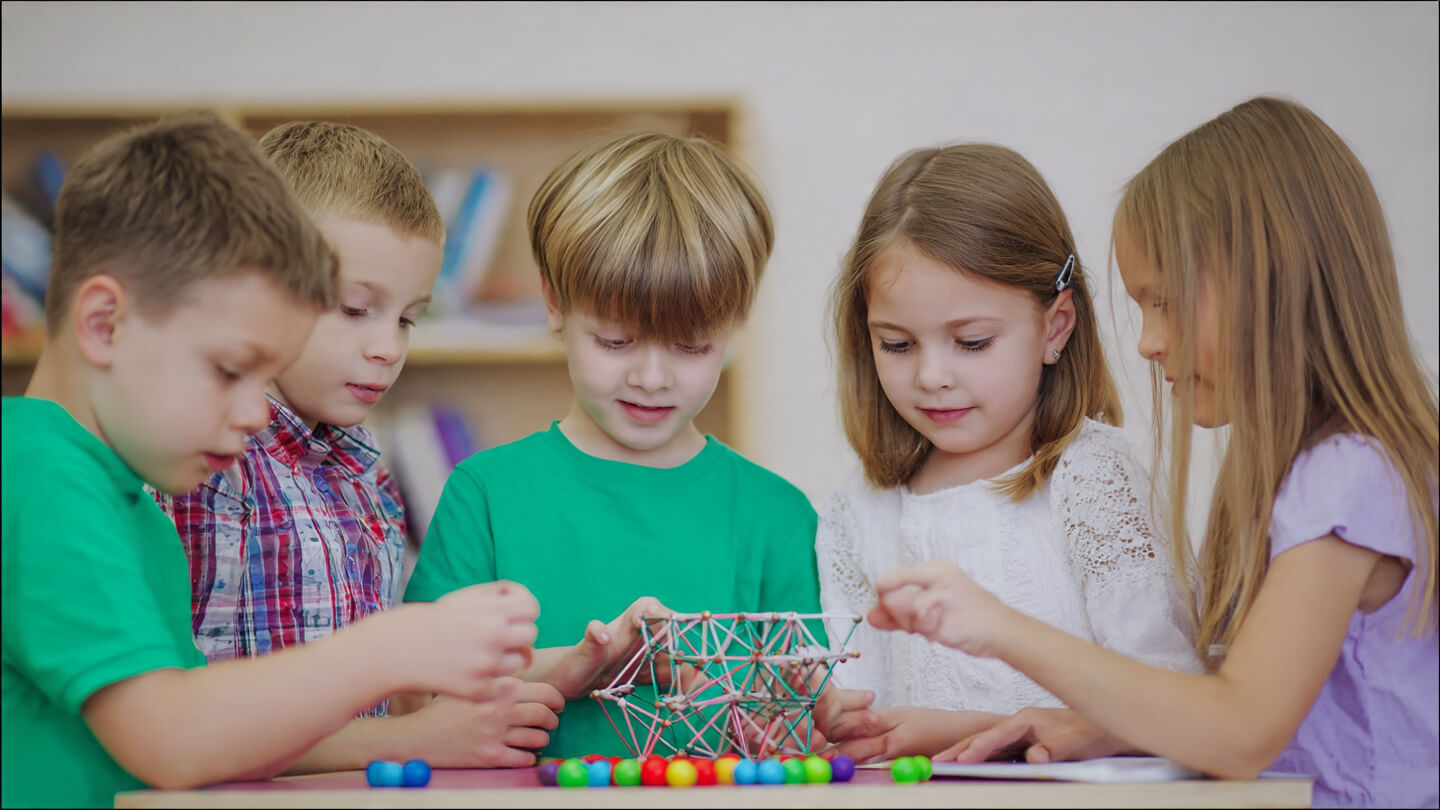
Constructive play includes activities such as building with blocks, puzzles, drawing or crafting. Children plan, experiment and adjust their approach to reach goals. Constructive play teaches problem solving, fine motor skills and persistence.
Cognitive and social benefits
Children learn cause and effect, sequencing and spatial awareness through constructive play. When working with peers, they practice communication, cooperation and shared decision-making. Constructive play supports learning in math, science and engineering concepts naturally.
Encouraging constructive play
Providing simple materials and a safe space is enough to encourage constructive play. Parents can comment on strategies or ask open questions to extend thinking without taking control. Observing children’s approach gives insights into strengths and interests.
Physical and outdoor play
Movement and coordination
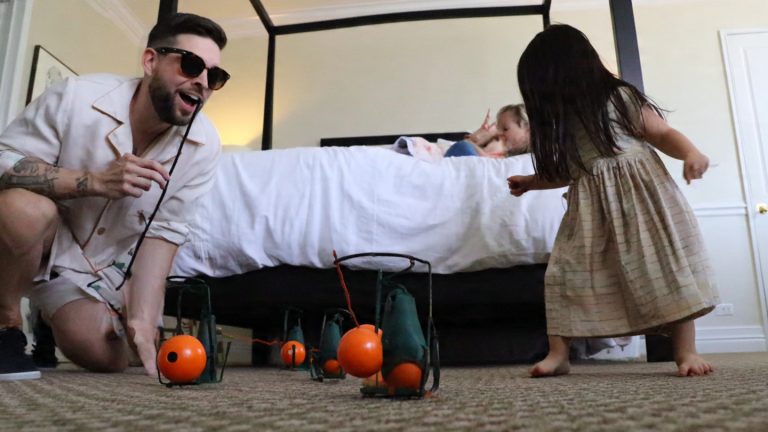
Physical play includes running, climbing, jumping and other active games. These activities develop gross motor skills, coordination and body awareness. Movement also supports brain development and focus.
Emotional regulation
Physical play allows children to expend energy, manage frustration and experience success and challenge safely. Active play promotes patience, persistence and emotional control.
Learning opportunities outdoors
Outdoor play offers natural learning experiences. Children observe plants, animals and weather, practice problem solving and take safe risks. Nature encourages curiosity, observation and exploration.
Sensory play
Exploring the senses
Sensory play involves exploring textures, sounds, smells and movement. Sand, water, play dough and natural materials invite children to experiment and observe.
Cognitive and emotional benefits
Sensory experiences support early science learning, concentration and attention. They also help children regulate emotions and develop fine motor skills. Sensory play is particularly valuable for younger children or those needing calming activities.
Integrating sensory play at home
Everyday materials can be used for sensory play. Water, rice, beans, or safe household items provide tactile experiences. Parents can encourage experimentation and reflection by asking questions or describing textures.
Guided play
Combining pupport and freedom
Guided play balances child choice with adult support. Parents may introduce materials, ask questions or suggest challenges while allowing the child to lead. Guided play extends learning without turning play into instruction.
Encouraging reflection
Open-ended questions such as “What will happen if you add this piece?” invite thinking. Gentle scaffolding helps children explore ideas deeper while maintaining control of their activity.
Benefits for development
Guided play strengthens problem solving, creativity and social skills. Children learn to reflect on actions, consider alternatives and communicate ideas. It builds confidence while preserving curiosity and independence.
Integrating types of play in daily life
Observing and adjusting
Parents benefit from observing which types of play engage their child. Adjusting materials, space and involvement can enhance learning. The goal is to provide opportunities while respecting child-led exploration.
Mixing play types
Offering a variety of play experiences—free, pretend, constructive, physical, sensory and guided—supports balanced development. Different types of play complement each other and address multiple skills simultaneously.
Practical examples
Simple daily activities can combine play types. Cooking involves constructive, sensory and guided play. Building a fort combines physical, imaginative and problem solving skills. Nature walks offer sensory, physical and observational learning.
Conclusion
Understanding the types of play that support learning helps families provide meaningful experiences at home. Children develop cognitive, social, emotional and physical skills naturally when play is diverse and engaging. Parents observe, support and provide safe spaces, balancing guidance and independence.
For practical ideas on how play contributes to growth, families can explore benefits of learning and play for child development to see how each type of play supports thinking, social skills and resilience. Integrating different play experiences strengthens curiosity, confidence and lifelong learning.