What about learning and play at home for families ?
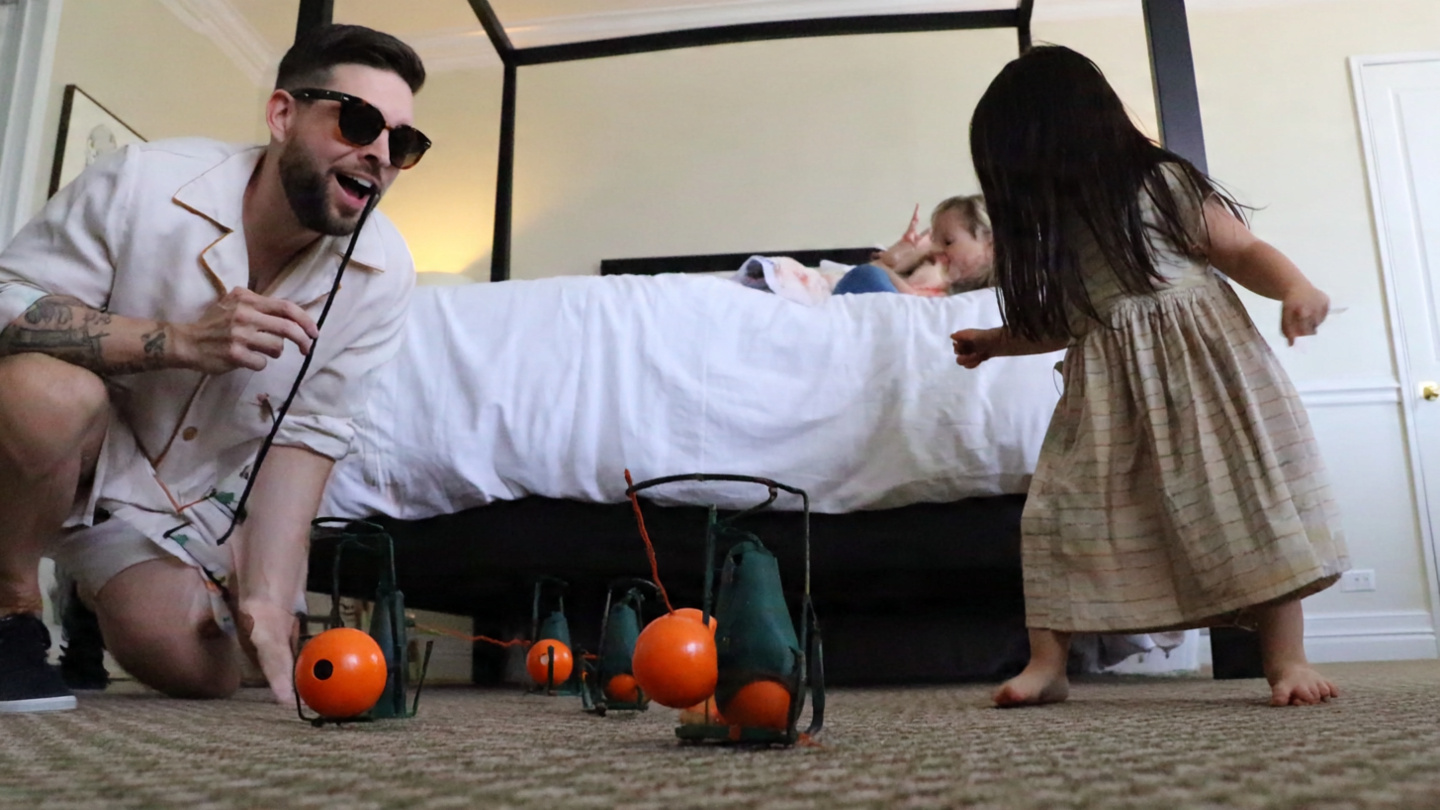
I am Larbi. I am fifty five years old with a bachelor’s degree in education. I have spent several years coaching families on child development.
Many parents in North America want to support learning at home but feel unsure how to combine it with play. Children develop best when learning is natural and engaging. Play provides opportunities for problem solving, creativity, language growth and social skills.
Integrating learning and play at home does not require elaborate setups or expensive toys. Everyday materials and routines can become meaningful experiences. This article offers practical guidance for families to encourage learning and play at home. Activities are adaptable, simple and engaging.
Creating a play-friendly environment
Space and materials
Children need space to explore safely. A small corner in a living room or a designated play area is enough. Simple materials such as blocks, paper, crayons, kitchen utensils, sand or water can provide rich learning experiences. The goal is to offer freedom to experiment, move and create.
Emotional safety
A supportive environment encourages risk-taking and exploration. Children feel confident to try new ideas when they know mistakes are acceptable. Responding patiently and showing interest in their play builds trust and curiosity.
Observation and guidance
Parents observe play to understand interests and strengths. Open-ended questions and gentle comments extend thinking without taking control. For example, asking “What could happen if you add this piece?” encourages problem solving and reflection.
Daily routines as learning opportunities
Cooking and baking
Preparing food together teaches sequencing, measurement and following instructions. Children practice counting, sorting and observing changes in ingredients. Cooking can also encourage language development through naming ingredients and describing steps.
Cleaning and organizing
Sorting toys, laundry or household items teaches categorization, responsibility and problem solving. Children learn to make decisions, plan actions and work independently or collaboratively.
Gardening and nature activities
Planting seeds, watering plants or observing insects supports scientific observation, patience and understanding of natural cycles. Children develop curiosity, motor skills and environmental awareness.
Storytelling and reading
Reading aloud, creating stories, or acting out narratives enhances imagination, vocabulary and comprehension. Children can participate by adding ideas, predicting outcomes and asking questions.
Types of play at home
Free play
Child-led activities encourage decision making, creativity and independence. Free play can include building with blocks, imaginative scenarios or exploring household items.
Pretend play
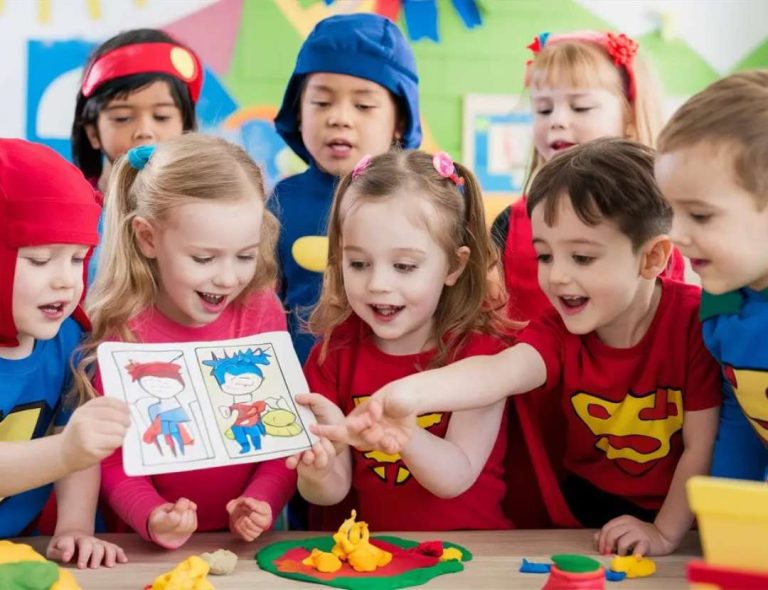
Role-playing at home allows children to practice social skills, storytelling and problem solving. Dressing up, playing shop, or acting out family roles supports imagination and communication.
Constructive play
Building, crafting and creating support cognitive skills and fine motor development. Simple materials like paper, clay, or blocks can be used. Parents may observe and ask open-ended questions to extend learning.
Physical and active play
Indoor or backyard games provide opportunities for gross motor development and emotional regulation. Movement supports focus and overall well-being.
Sensory play
Exploring textures, sounds, and materials enhances attention, observation, and emotional regulation. Water, rice, beans or kitchen items are effective sensory tools.
Guided play
Parents introduce challenges, ask questions, or provide materials while allowing the child to lead. This approach blends adult support with child choice, enhancing problem solving and reflection.
Supporting social and emotional development
Collaboration and cooperation
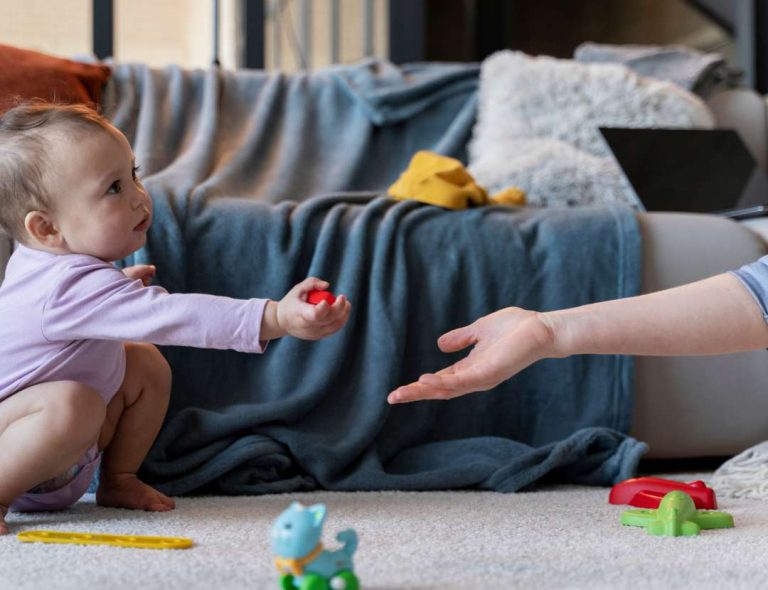
Siblings or parents can join in play to practice sharing, negotiating and cooperating. Playing board games, building together or creating stories encourages teamwork and empathy.
Emotional regulation
Play provides a safe space to express feelings. Children learn to manage frustration, celebrate success and practice patience. Parents modeling calm and supportive behavior reinforces these skills.
Confidence and independence
Completing tasks, solving problems, and making decisions during play builds self-confidence. Children feel capable and motivated when they have control over their activities.
Tips for successful learning and play at home
Observe interests
Noticing what excites a child helps tailor activities. Some children enjoy physical play, others imaginative or constructive play. Adapting materials and challenges keeps engagement high.
Combine play types
Mixing free, pretend, constructive, physical, sensory and guided play supports balanced development. Different types of play complement each other and target multiple skills simultaneously.
Keep it simple
Expensive or complicated materials are not necessary. Everyday household items, natural objects or simple toys offer rich learning experiences. Creativity and imagination are more important than cost or complexity.
Consistency and routine
Providing regular opportunities for play integrates learning naturally Short daily sessions can be more effective than occasional long sessions. Predictable routines give children a sense of security and help them anticipate exploration time.
Long-term benefits
Regular learning and play at home support skills that extend into school and life. Cognitive, social, emotional and physical skills grow together Children develop problem solving, creativity, empathy and resilience. They build a positive attitude toward learning and become more confident, independent and adaptable.
Families who embrace play at home help children develop skills naturally while strengthening family connections. Observing, participating and gently guiding play creates meaningful experiences that children remember. Over time, these experience form the foundation for lifelong curiosity, learning and confidence.
Conclusion
Integrating learning and play at home allows families to support development in natural and enjoyable ways. Children grow cognitively, socially, emotionally and physically when they engage in diverse play experiences. Parents provide time, space and guidance while observing and responding to interests.
Families seeking specific examples of activities for different ages can explore learning and play activities by age group to find ideas that match their child’s developmental stage. Combining age-appropriate play with
home routines strengthens skills, curiosity and confidence while keeping learning enjoyable.