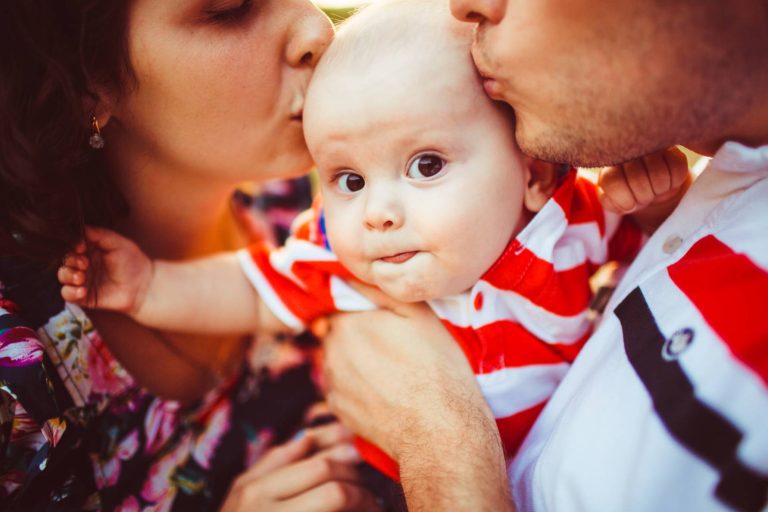
Infant social-emotional development (0-12 Months)
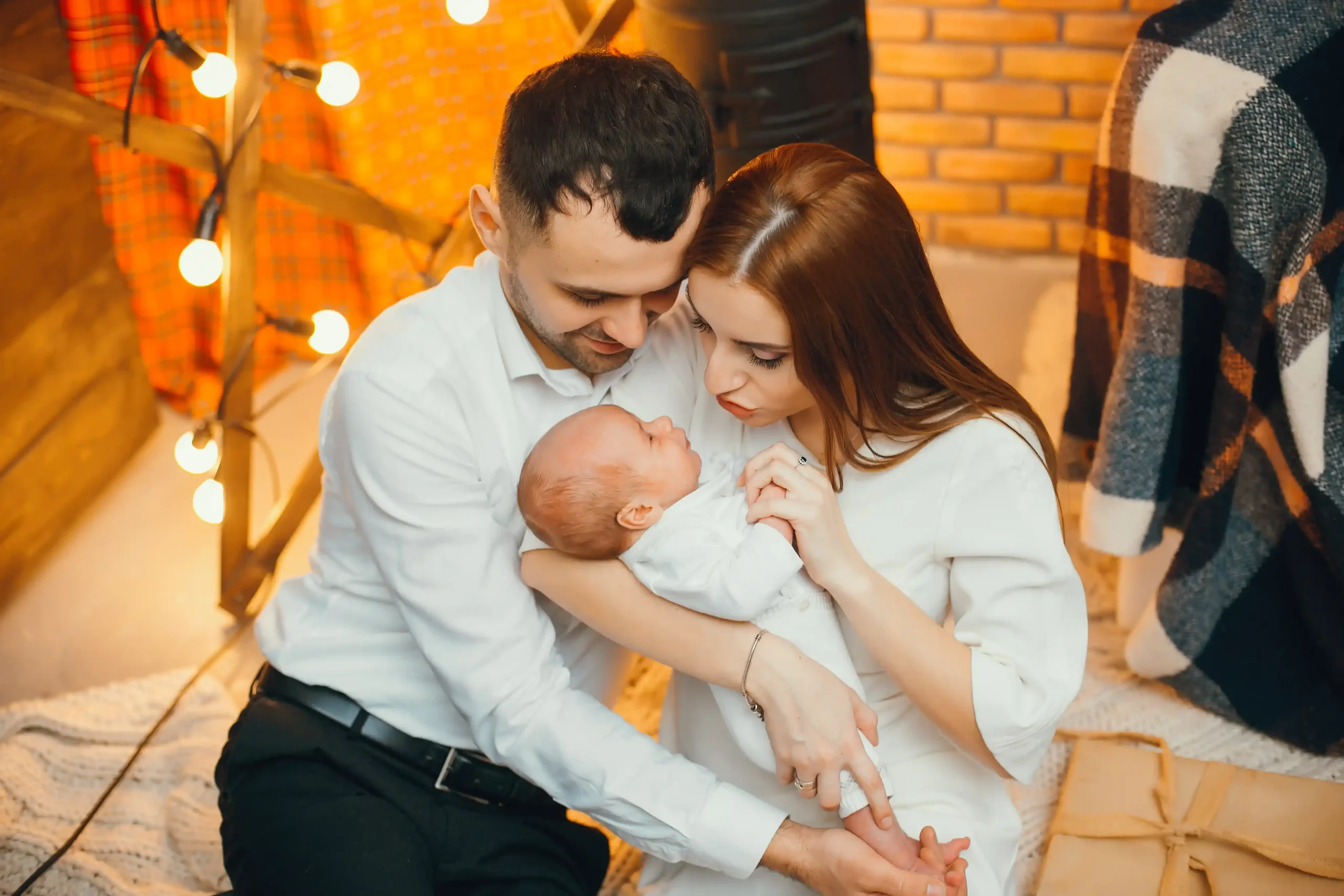
Understand attachment, emotions, and social skills in babies’ first year. Learn about bonding, stranger anxiety, and emotional growth in infants.
Your baby’s emotional world is richer than you might imagine. From that first gaze into your eyes to the tears when you leave the room, your baby is constantly developing emotional awareness and social understanding during their first year.
What strikes me most after years of working with families is how much babies communicate emotionally before they can speak a single word. They tell us everything through cries, smiles, body language, and gaze. Learning to read these signals helps you build the secure attachment that shapes your child’s emotional health for years to come.
The first two months: Building trust
Those early weeks are all about establishing basic trust. Your newborn depends completely on you for survival. When you respond consistently to their cries, feed them when hungry, and comfort them when distressed, you’re teaching a fundamental lesson: the world is safe and people can be trusted.
Newborns show distinct emotions from birth. They cry when uncomfortable or hungry. They show contentment when fed and held. These aren’t sophisticated emotions yet but they’re real feelings that deserve acknowledgment.
Around six weeks, most babies produce their first social smile. This milestone represents a huge leap in social-emotional development. Your baby isn’t just reacting to internal sensations anymore. They’re responding to you specifically. They recognize your face and smile because seeing you makes them happy.
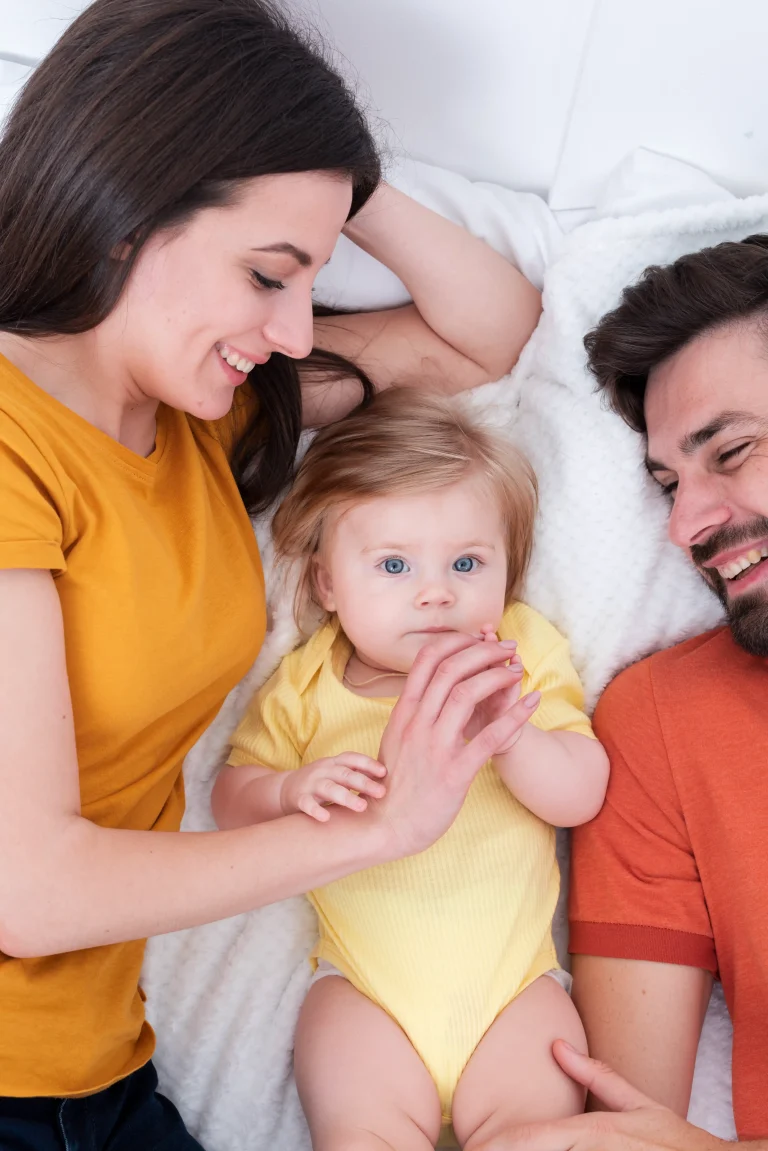
Eye contact becomes more sustained during these early months too. Your baby will gaze into your eyes during feeding or while you talk to them. This mutual gaze releases oxytocin in both of you, strengthening your bond. It’s biology’s way of ensuring babies and caregivers connect deeply.
Three to six months: Expanding emotional range
Between three and six months, your baby’s emotional expressions become more varied and easier to read. You can usually distinguish their “I’m hungry” cry from their “I’m tired” cry. They show joy through full-body wiggles when excited. They might show early signs of frustration when they can’t reach a toy.
Babies this age start laughing, often around four months. That first real laugh is unforgettable. It shows your baby experiencing joy and wanting to share it with you. Laughter is deeply social. Babies rarely laugh when alone.
Stranger awareness begins emerging around four to six months. Your baby might study unfamiliar faces seriously before deciding whether to smile or fuss. This wariness shows developing memory and recognition. They know who’s familiar and who isn’t.
Self-soothing abilities start developing during this period too. Some babies discover thumb-sucking or find comfort in a pacifier. They might calm themselves by looking at interesting objects or listening to music. These early self-regulation skills are important building blocks.
Six to nine months: Separation anxiety arrives
Around six to eight months, many parents notice their previously social baby suddenly becomes clingy. Welcome to separation anxiety. It peaks between eight and twelve months but can start earlier.
Separation anxiety isn’t a problem despite how challenging it feels. It actually indicates healthy attachment. Your baby has bonded so strongly with you that being apart causes distress. They don’t yet understand you’ll come back. When you leave, you’re gone forever in their mind.
Stranger anxiety often intensifies during this period too. Your baby might cry when grandma reaches for them or hide their face when someone new approaches. This wariness is developmentally normal and actually protective. It keeps babies close to their primary caregivers during the mobile stage when they could crawl into danger.
Emotional referencing emerges around eight months. Your baby starts looking to you to know how to react to new situations. If they encounter something unfamiliar, they’ll check your face. If you smile and act calm, they feel safe to explore. If you look worried, they become cautious too.
Nine to twelve months: Complex emotions develop
The last quarter of the first year brings more sophisticated emotional understanding. Babies start showing early empathy. If another baby cries, your baby might look concerned or start crying too. This emotional contagion is the beginning of empathy development.
Babies this age also show pride when they accomplish something. They might clap for themselves after stacking blocks or look to you for approval after taking steps. This shows emerging self-awareness and desire for social approval.
Frustration tolerance remains low at this age. Your baby might have what looks like a tantrum when you take away something dangerous or end an enjoyable activity. These meltdowns are normal. Babies don’t have the brain development yet to manage strong emotions.
Social games become more interactive. Peek-a-boo, pat-a-cake, and waving bye-bye aren’t just fun. They teach social routines, turn-taking, and shared joy. These simple games build social competence that lasts a lifetime.
Building secure attachment
Secure attachment forms when you respond consistently and sensitively to your baby’s needs. This doesn’t mean you must respond instantly every time. It means you generally notice their signals and meet their needs most of the time. Nobody’s perfect and babies don’t need perfect parenting.
Secure attachment gives your baby a safe base from which to explore. They venture away knowing they can come back to you for comfort. This confidence supports all future relationships and helps them manage stress throughout life.
You build secure attachment through everyday moments. Responding to cries, making eye contact during feeding, playing together, comforting when upset. These ordinary interactions accumulate into extraordinary emotional security.
Supporting emotional development
Hold and cuddle your baby often. Physical touch regulates their nervous system and builds connection. Babies can’t be spoiled in the first year despite what older generations might say. Your responsiveness teaches them the world is safe.
Talk about emotions from early on. When your baby cries, you might say “I know you’re upset. Let’s see what you need.” This emotional labeling helps them develop emotional vocabulary later.
Stay calm during your baby’s distress when possible. Your regulated nervous system helps regulate theirs. If you stay calm when they’re upset, they learn to calm down more quickly.
Maintain consistent routines. Predictability helps babies feel secure. When they know what’s coming next, they feel safer and less anxious.
When to seek support
Most babies show a range of emotions and gradually become more social during their first year. However, certain patterns warrant professional attention. If your baby rarely makes eye contact, shows little interest in faces, doesn’t smile by three months, or seems generally unresponsive to social interaction, mention these concerns to your pediatrician.
Similarly, if your baby seems constantly distressed and cannot be comforted, or shows no separation anxiety at all by twelve months, these patterns deserve discussion.
The foundation for life
The emotional development during your baby’s first year creates the foundation for all future relationships and emotional health. The secure attachment you build now influences how your child will approach friendships, romantic relationships, and even parenting their own children someday.
As your baby develops emotionally, you’ll notice connections between their feelings and behaviors. Understanding warning signs that might indicate developmental concerns helps you stay informed while celebrating your baby’s unique emotional journey.
Your baby’s first year is emotionally intense for both of you. Trust your instincts, respond with love, and know that you’re giving your baby the greatest gift: secure attachment and emotional security.