
Are co parenting apps effective for communication and boundaries?
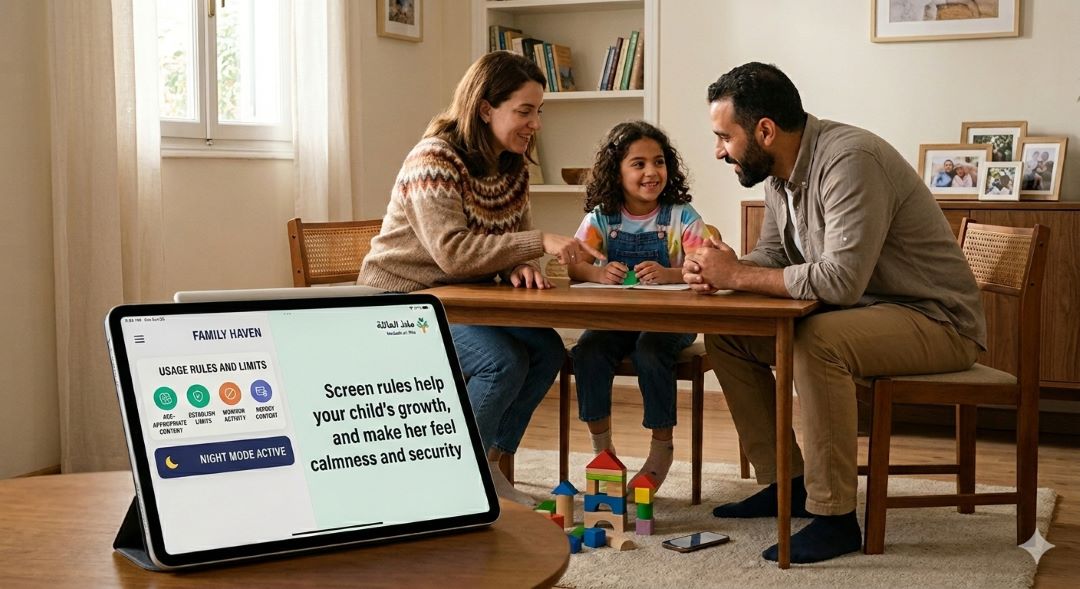
Many parents turn to co parenting apps for digital safety or screen time management, but one of their most overlooked roles is communication. Communication is often where co parenting becomes difficult. Messages are misunderstood. Emotions escalate. Boundaries feel unclear. When children are involved, these breakdowns affect more than logistics. They affect emotional security. Co parenting apps promise smoother coordination, but parents often wonder if they truly help or simply add another layer of technology. To answer that question, it helps to look at how structure, shared tools, and clarity influence communication and boundaries in real family life.

Why communication breaks down in co parenting situations?
Co parenting communication carries emotional weight. Past conflict, different values, and daily stress all shape how messages are received. Simple discussions about rules or schedules can quickly become tense.
Family psychology research shows that unclear expectations increase conflict more than disagreement itself. When parents are unsure about rules or responsibilities, they fill the gaps with assumptions. Children then experience mixed messages and emotional tension.
Digital topics amplify this issue. Screens, apps, and online safety raise strong opinions. Without structure, conversations become repetitive and draining.
How structure supports healthier communication?
Structure reduces emotional load. When expectations are clear and documented, parents spend less time debating and more time coordinating.
Co parenting apps provide shared spaces for rules, schedules, and updates. Instead of relying on memory or informal messages, parents refer to the same information. This reduces misunderstandings.
A study in the Journal of Family Issues found that structured communication tools lowered perceived conflict among co parents. When parents felt organized, conversations stayed more neutral.
Shared boundaries reduce emotional tension
Boundaries feel safer when they are shared. Children sense when parents disagree. They may test limits or feel responsible for adult tension.
Co parenting apps help parents define boundaries together. Screen time limits, app permissions, and digital rules become joint decisions rather than individual enforcement.
This shared approach reduces emotional pressure on children. Rules feel stable rather than negotiable. Emotional safety increases.
Why boundaries matter for children’s well being?
Boundaries are not about restriction. They provide predictability. Predictability supports emotional regulation.
According to the American Academy of Pediatrics, children benefit from clear and consistent digital boundaries. When boundaries shift frequently, children show higher stress and behavioral challenges.
Co parenting apps support boundary consistency across homes. This consistency protects emotional balance and reduces confusion.
Reducing conflict through neutral tools
One reason co parenting apps improve communication is neutrality. The app enforces rules. Parents do not need to argue or justify decisions repeatedly.
Neutral tools reduce personal interpretation. A limit enforced by an app feels less like one parent controlling the other. This reduces defensiveness.
Family therapists often recommend external structures to reduce interpersonal conflict. Co parenting apps function as that structure.
Keeping communication focused on the child
Effective co parenting communication stays child centered. Emotional history between parents can pull conversations off track.
Apps help redirect focus. Conversations stay practical. Updates are logged. Emotional escalation decreases.
This shift benefits children. They experience adults working together rather than against each other.
Transparency builds trust between parents
Trust grows when information is shared openly. Co parenting apps often provide shared access to reports and settings.
When both parents see the same data, suspicion decreases. Parents no longer rely on second hand information from the child.
Transparency reduces assumptions and builds cooperation. Trust supports calmer communication over time.
Supporting respectful boundaries between parents
Boundaries are not only for children. They are also for parents.
Co parenting apps reduce unnecessary contact. Parents communicate when needed rather than constantly. This protects emotional boundaries.
Research from the American Psychological Association notes that clear communication boundaries reduce stress in co parenting relationships. Apps support this by organizing interaction.
Helping children understand and respect boundaries
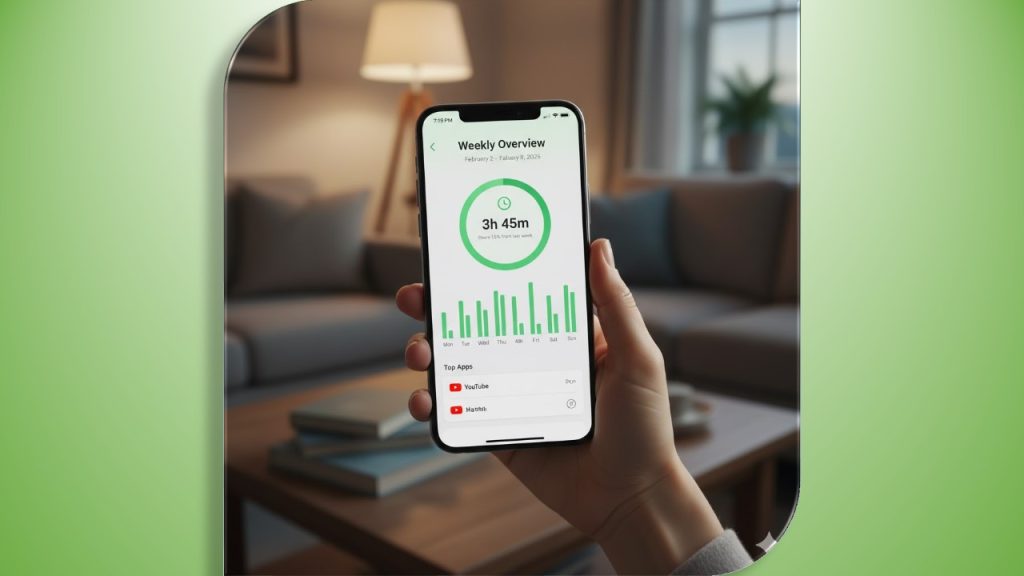
Parents can explain that rules are shared and agreed upon. Children feel less need to negotiate or manipulate.
This clarity supports responsibility and respect.
Preventing children from becoming messengers
In many co parenting situations, children carry messages between parents. This role creates emotional strain.
Co parenting apps remove that burden. Communication happens directly between adults.
Protecting children from adult logistics supports emotional health.
Boundaries around flexibility and exceptions
Consistency does not mean rigidity. Life requires flexibility.
Co parenting apps allow parents to document exceptions. Special occasions. Travel. Illness.
Documented flexibility prevents misunderstandings and resentment. Boundaries remain intact while adapting to reality.
Emotional relief for parents
Clear communication reduces mental load. Parents feel less anxious about being misunderstood or blamed.
Lower stress improves parenting quality. Emotional availability increases.
This emotional relief benefits the entire family system.
Linking communication and screen time management
Communication and boundaries intersect strongly around screens. Clear communication supports consistent digital rules.
The connection between boundaries and screen use is explored further in how do co parenting apps help manage screen time across homes, where alignment reduces daily conflict.
When co parenting apps do not work well
Apps are tools, not solutions. They work best when parents are willing to engage respectfully.
High conflict situations may require additional support. Apps can reduce friction but cannot resolve deep relational issues alone.
Still, structure often helps even in challenging contexts.
Children respond better to boundaries when they see adults aligned. Co parenting apps reinforce this alignment.
Choosing apps that support communication
Not all apps prioritize communication. Parents should look for:
- shared dashboards
- clear messaging features
- easy updates
Features should support cooperation rather than monitoring alone.
Communication as a foundation for safety

Digital safety depends on communication. Without shared understanding, tools lose effectiveness.
Co parenting apps strengthen this foundation by organizing conversation and clarifying boundaries.
Co parenting apps can be effective for communication and boundaries when used intentionally. They provide structure, reduce conflict, and support alignment. By shifting conversations from emotion driven reactions to shared systems, they protect children from confusion and stress.
When parents communicate clearly and enforce boundaries together, children feel safer. Digital rules become part of a stable environment rather than a source of tension. In this way, co parenting apps support not only digital safety but family well being.