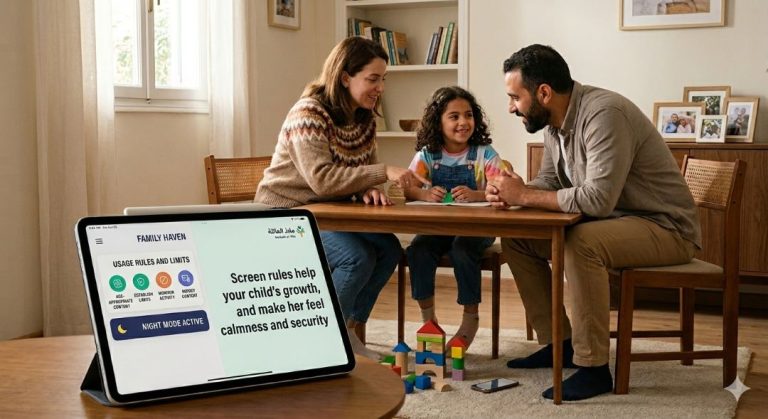
How do co parenting apps help manage screen time across homes?
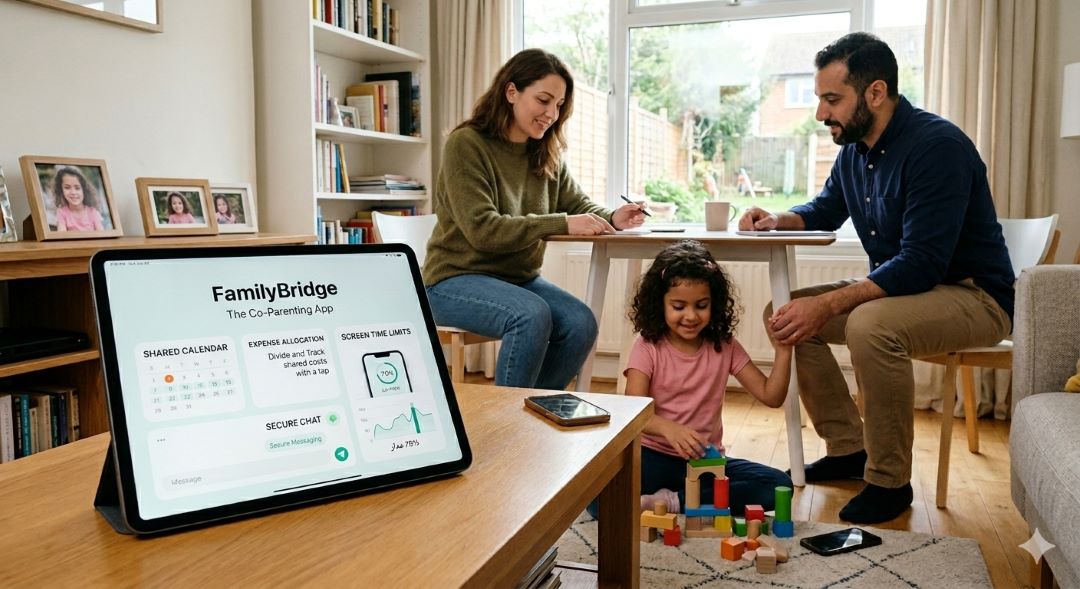
Managing screen time is already challenging in one household. When children move between two homes, it becomes even more complex. Different routines, different expectations, and different stress levels can turn screen use into a constant source of confusion. Many parents notice that rules applied in one home seem to disappear in the other. Children adapt quickly. They ask for exceptions. They compare. They negotiate. Co parenting apps have become a practical response to this reality. They help parents create continuity so that screen time does not depend on where the child is sleeping that night.
Why screen time consistency matters more than strict limits?
Children do not benefit most from strict rules. They benefit from predictable ones. Consistency helps children feel safe and understand boundaries. When screen time rules shift from one home to another, children struggle to internalize limits.
Research from Common Sense Media shows that children are more likely to develop healthy digital habits when expectations remain stable across environments. Inconsistent rules increase frustration and testing behaviors. Children may not understand why the same activity is allowed one day and forbidden the next.
Co parenting apps support consistency by creating shared limits. The focus moves away from control and toward clarity. Children know what to expect regardless of location.
The challenge of screen time across two households

Shared custody introduces practical challenges. Devices travel with children. Wi Fi networks differ. One parent may work late while the other is more available. Without coordination, screen time often fills the gaps.
Parents may also have different beliefs about screens. One may value strict limits. The other may prioritize flexibility. These differences are normal. Problems arise when children are caught between them.
Co parenting apps provide a shared structure that respects differences while protecting the child. Parents can agree on core limits even if daily routines differ.
How co parenting apps synchronize screen time rules?
Many co parenting apps allow parents to set screen time limits that apply across devices and locations. When a child reaches a limit in one home, the same limit applies in the other.
This synchronization removes the need for repeated explanations. It also reduces opportunities for children to test boundaries. The rule becomes consistent rather than negotiable.
Some apps offer shared dashboards. Both parents can see usage patterns. This transparency reduces suspicion and builds trust between parents.
Reducing conflict through shared systems
Screen time disagreements often trigger emotional reactions. Parents may feel undermined. Children may feel blamed. Over time, tension grows.
Co parenting apps reduce this tension by acting as neutral systems. Rules are enforced by the app rather than by one parent. This shift lowers emotional intensity.
Family psychologists note that external structure can reduce interpersonal conflict. When rules are clearly defined and consistently applied, conversations become calmer and more focused on support.
Helping children adapt to transitions between homes
Transitions are emotionally demanding for children. Moving between homes already requires adjustment. Adding different screen rules increases cognitive and emotional load.
Co parenting apps support smoother transitions by keeping digital routines stable. Children do not need to relearn expectations each time they change environments.
This stability supports emotional regulation. Children spend less energy negotiating and more energy settling into routines.
Screen time as part of daily structure
Screen time often fills unstructured moments. After school. Before dinner. Late evenings. When routines differ between homes, screen use expands.
Co parenting apps help parents integrate screen time into daily structure. Limits can be tied to schedules. Devices can pause automatically during homework or bedtime.
Structure reduces reliance on constant reminders. Children learn that screens fit into the day rather than dominate it.
Supporting age appropriate screen use across homes
Children’s screen needs change with age. Younger children benefit from shorter sessions. Older children need more autonomy with guidance.
Co parenting apps allow parents to adjust limits as children grow. These changes apply across homes. This prevents confusion and supports development.
According to the American Academy of Pediatrics, age appropriate screen guidance supports better sleep, behavior, and emotional health. Shared tools make this guidance easier to maintain.
Preventing screen time escalation
Without coordination, screen time often increases over time. One parent allows extra minutes to compensate for stress. The other feels pressure to do the same.
Co parenting apps prevent this gradual escalation. Limits remain clear. Exceptions can be discussed intentionally rather than happening by default.
This intentionality protects children from excessive exposure while respecting family realities.
Transparency builds trust between parents
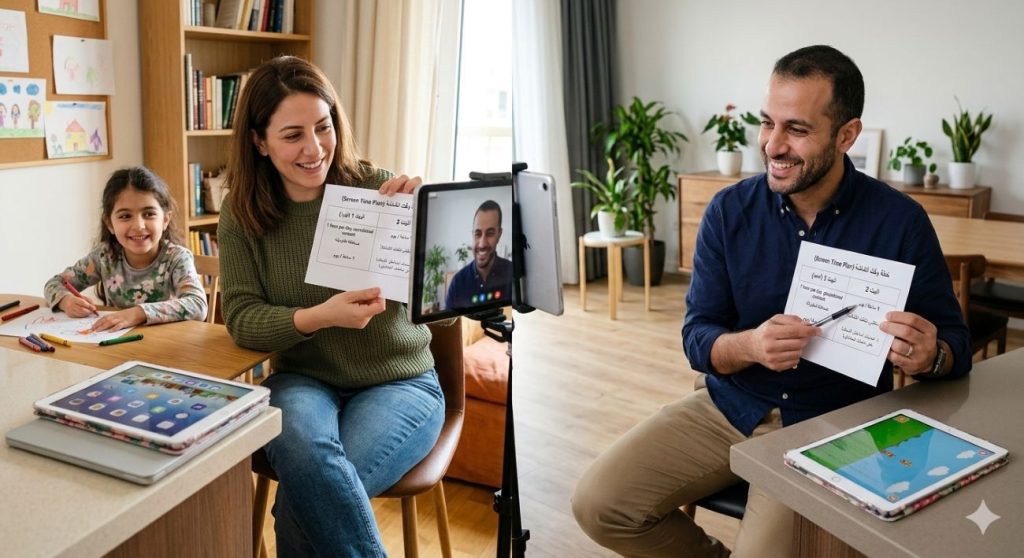
Trust is essential in co parenting. Screen time disagreements often reflect deeper concerns about fairness and responsibility.
Shared access to screen time data reduces assumptions. Parents can see actual usage rather than relying on reports from the child. This clarity reduces blame.
Trust also benefits children. When parents appear aligned, children feel less pressure to manage adult dynamics.
Supporting communication without constant negotiation
Co parenting apps reduce the need for frequent discussions about screen time. Rules are visible. Changes are documented. Messages stay focused.
This efficiency supports emotional well being for parents. Less negotiation means less conflict. Energy can be redirected toward connection.
The communication benefits of shared tools are explored further in are co parenting apps effective for communication and boundaries, which examines how structure supports cooperation.
When flexibility is still needed
Consistency does not mean rigidity. Life happens. Travel, illness, and special occasions require flexibility.
Co parenting apps allow temporary adjustments. Parents can agree on changes and apply them consistently. This prevents confusion and resentment.
Flexibility within structure supports trust and adaptability.
Screen time and emotional health
Screen use affects mood, sleep, and attention. Managing it well supports emotional health.
Studies published in Pediatrics indicate that consistent screen routines are associated with better sleep and fewer behavioral issues. Co parenting apps help families maintain these routines across environments.
Emotional regulation improves when children know what to expect. Predictable limits reduce stress.
Addressing concerns about fairness
Children often compare screen time between homes. Perceived unfairness increases resistance.
Co parenting apps reduce these comparisons. Limits feel impartial. The app enforces rules consistently.
Parents can explain that guidelines are shared and designed to support well being. This explanation feels more credible when backed by consistent practice.
Technology as a support rather than a replacement
Co parenting apps do not replace parenting. They support it. They handle logistics so parents can focus on relationships.
This distinction matters. Children still need guidance and conversation. Apps provide structure, not connection.
When used thoughtfully, technology reduces stress rather than creating it.
Why managing screen time together matters?
Children learn from parental cooperation. When parents manage screen time together, children internalize values around balance and responsibility.
This cooperation models problem solving and respect. It supports long term development.
Shared digital management becomes part of shared parenting.

Co parenting apps help manage screen time across homes by creating consistency where complexity exists. They synchronize rules, reduce conflict, and support smoother transitions for children. Screen time stops being a negotiation and becomes part of a shared structure.
For families navigating multiple households, this clarity protects emotional well being and supports healthy digital habits. Managing screen time together sends a clear message to children. Boundaries are stable. Expectations are shared. Safety comes first.