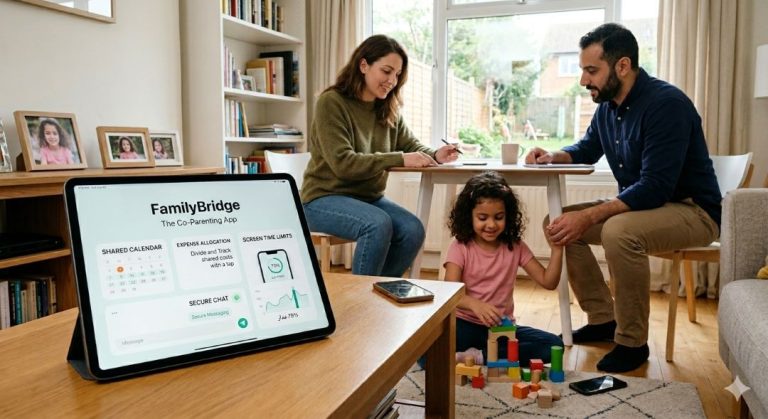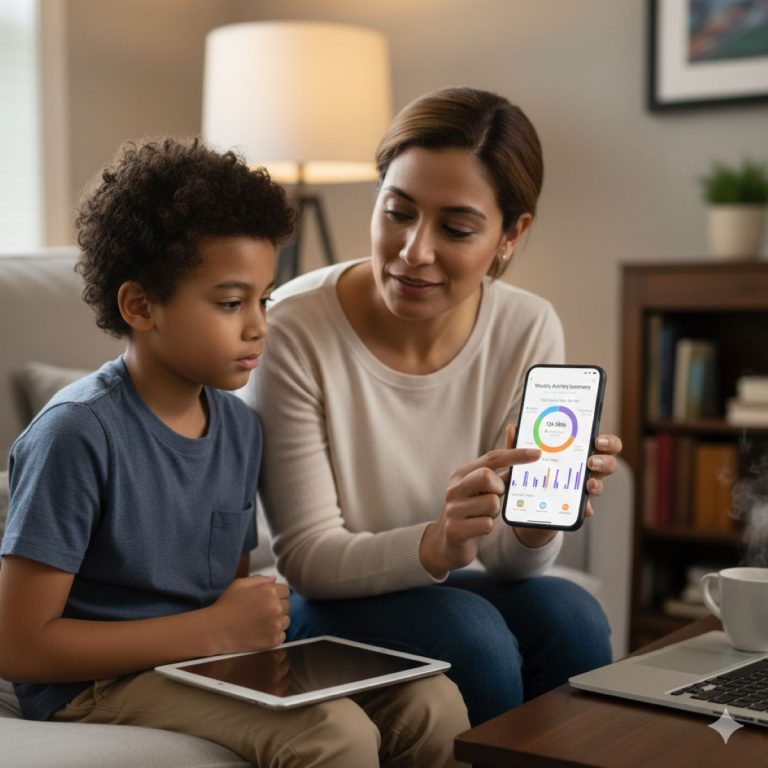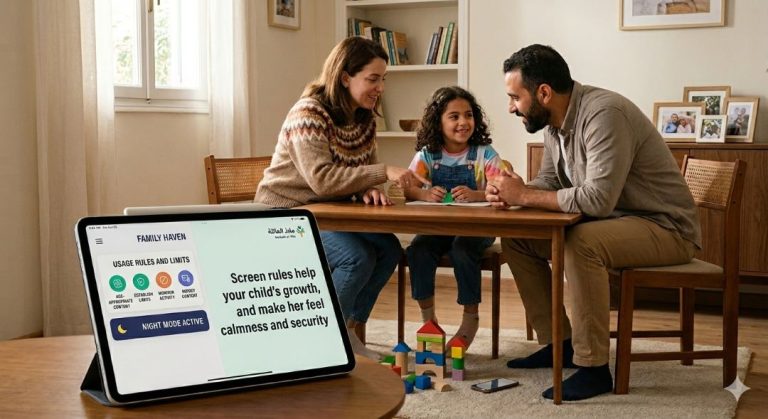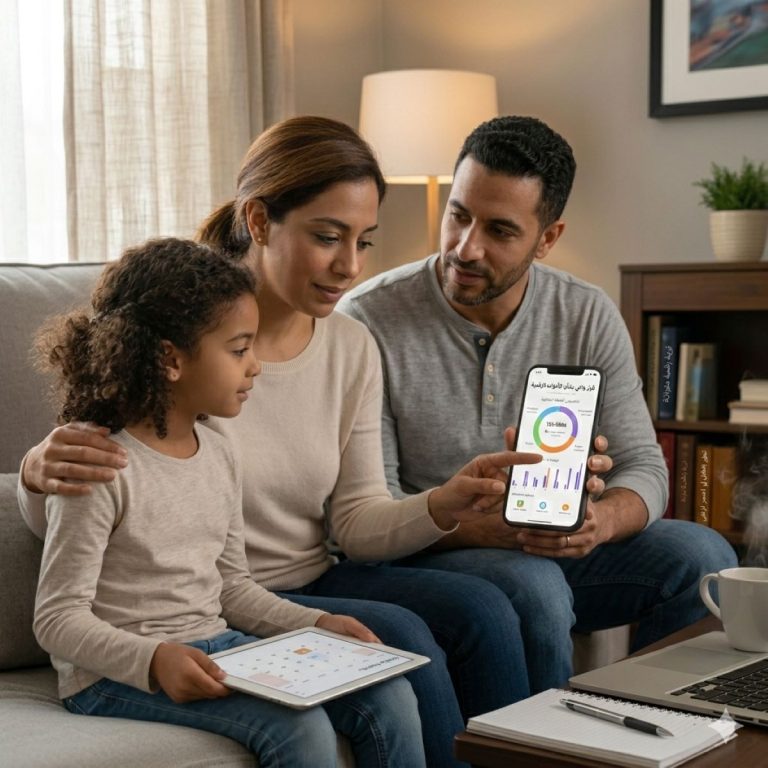
Why do parents need co parenting apps for digital safety?

Digital life moves fast for families in the United States. Children use phones for school. Tablets fill quiet moments. Games and social platforms enter earlier than many parents expect. At the same time, families are changing. Many children move between two homes. Some parents share custody. Others coordinate parenting while living under the same roof but with different schedules and approaches. In this context, digital safety becomes harder to manage. Co parenting apps have emerged not as a trend but as a response to a real need. They help parents create consistency, reduce conflict, and protect children in a digital world that rarely pauses.
Digital safety has become a shared responsibility
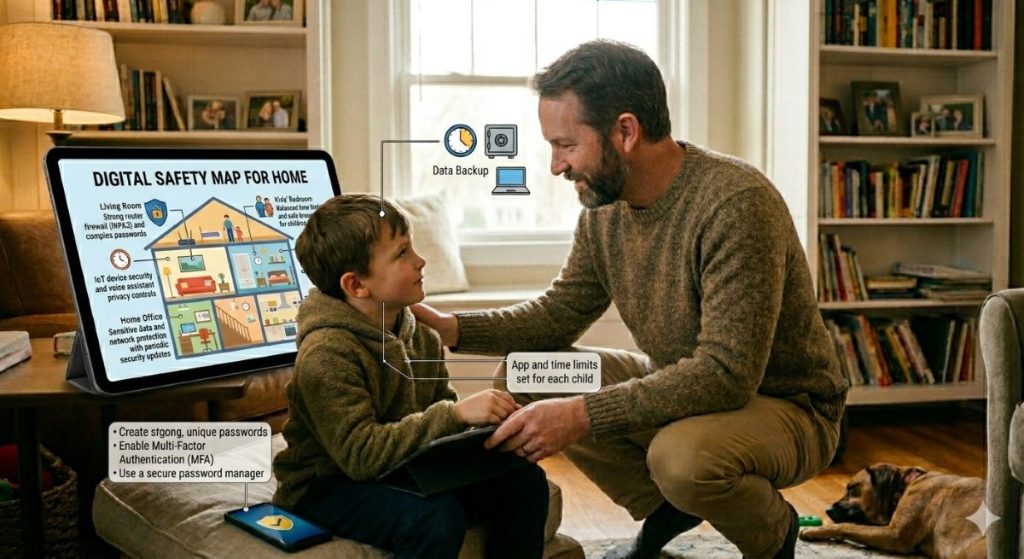
Digital safety is no longer limited to blocking a few websites. It now includes screen time balance, online behavior, privacy, location sharing, and emotional well being. For co parents, this responsibility is shared across households. Without coordination, children may face mixed rules and unclear expectations.
Research from the Pew Research Center shows that over 84 percent of US parents say they worry about how technology affects their children. Among separated or divorced parents, that concern increases when rules differ between homes. Children quickly notice inconsistencies. What is allowed in one place may be restricted in another. This gap often creates confusion rather than safety.
Co parenting apps help bridge that gap by offering a shared framework. They give parents a way to align rules and expectations without relying on constant conversation or negotiation.
Why inconsistent rules increase digital risk?
Children thrive on predictability. When digital rules change from one home to another, children adapt in ways that are not always healthy. They may hide behavior, negotiate excessively, or exploit differences between parents.
A study published in the Journal of Family Psychology found that inconsistent parenting practices across households were linked to higher stress levels in children. Digital habits are no exception. When one parent allows unrestricted screen time and the other enforces strict limits, children struggle to understand boundaries.
Co parenting apps reduce this inconsistency. They create a shared reference point for screen time, app access, and online limits. This does not mean parents must agree on everything. It means children receive clearer signals about safety and responsibility.
The emotional side of digital safety
Digital safety is not only technical. It is emotional. Children experience stress when rules feel unpredictable. They may feel anxious about making mistakes or frustrated by sudden changes.
Mental health professionals increasingly recognize the emotional impact of digital environments. The American Academy of Pediatrics emphasizes that digital guidance should focus on relationship and trust, not just restriction. Co parenting apps support this approach by reducing conflict around screens.
When parents rely on a shared system, conversations with children become calmer. Instead of arguing about rules, parents can explain that expectations are agreed upon. This sense of structure supports emotional security.
How co parenting apps reduce parental conflict?
Digital disagreements are a common source of tension between co parents. One parent may feel the other is too permissive. The other may feel controlled or judged. These conflicts often spill into communication about children.
Data from the American Psychological Association shows that high conflict co parenting environments negatively affect child well being. Reducing conflict is therefore part of digital safety.
Co parenting apps act as neutral tools. They shift discussions away from personal opinions toward shared guidelines. When rules are set within an app, enforcement feels less personal. This reduces emotional escalation and helps parents stay focused on the child’s needs.
Managing digital safety across two homes
Children who move between households face unique challenges. Devices travel with them. Wi Fi networks change. Supervision levels vary. Without coordination, digital safety becomes fragmented.
Co parenting apps allow parents to manage screen time and restrictions across homes. Some apps sync limits regardless of location. Others provide reports that both parents can access. This continuity helps children understand that digital safety does not disappear when they change environments.
According to a report by Common Sense Media, children in shared custody arrangements benefit from consistent digital rules across households. Consistency reduces anxiety and improves cooperation.
Protecting children without constant monitoring
Many parents worry that digital safety requires constant surveillance. This belief creates fatigue and mistrust. Co parenting apps offer a middle ground.
Instead of watching every move, parents can set clear boundaries. Time limits. App permissions. Location alerts when appropriate. These tools support safety while respecting growing independence.
Psychologists note that children develop healthier digital habits when boundaries are clear but not intrusive. Co parenting apps support this balance by automating parts of digital supervision.
Why manual coordination often fails?
Some parents try to manage digital safety through conversation alone. Shared calendars. Text messages. Verbal agreements. While well intentioned, this approach often breaks down.
Life gets busy. Messages are missed. Rules are remembered differently. Over time, frustration builds. Children sense this tension and may feel caught in the middle.
Technology offers structure where memory and communication fail. Co parenting apps provide a single source of truth. This reduces misunderstandings and protects children from adult conflict.
Digital safety in blended and intact families

Co parenting apps are not only for separated parents. Many intact families use them to coordinate between caregivers, grandparents, or after school programs. Digital safety often involves multiple adults.
As families become more complex, shared tools become more useful. Apps help everyone stay aligned. This alignment protects children from mixed messages and unclear limits.
The rise of co parenting apps reflects broader changes in family structure and digital life. Families need systems that adapt to complexity.
The role of trust in digital safety
Trust is central to digital safety. Children who feel trusted are more likely to communicate openly about online experiences. Co parenting apps support trust by reducing secrecy and power struggles.
When parents agree on guidelines, children receive a clear message. Digital safety becomes a shared family value rather than a set of arbitrary rules. This encourages honesty and responsibility.
Trust also grows between parents. Shared tools reduce suspicion and second guessing. This emotional relief benefits everyone involved.
Evidence that structure improves outcomes
Structure supports safety. Multiple studies in child development show that clear rules combined with warmth lead to better outcomes. Digital safety follows the same principle.
A 2022 report from the Centers for Disease Control and Prevention highlighted that structured family routines reduce risky behaviors in adolescents. Digital routines are part of that structure.
Co parenting apps help families build routines around screen use. These routines protect children from excessive exposure and support healthy habits.
When digital safety becomes a teaching opportunity
Digital safety is not only about prevention. It is also about education. Co parenting apps can open conversations about responsibility, privacy, and decision making.
When children understand why limits exist, they are more likely to respect them. Parents can use app reports as starting points for discussion rather than punishment.
This approach aligns with broader parenting strategies that focus on guidance rather than control. Families who adopt this mindset often see better cooperation over time.
Supporting communication between parents
Clear communication supports digital safety. Co parenting apps often include messaging features or shared notes. These tools keep discussions focused on logistics rather than emotions.
By centralizing communication, apps reduce misunderstandings. Parents spend less time clarifying rules and more time supporting their children.
This collaborative approach is explored further in the article on are co parenting apps effective for communication and boundaries, which looks at how shared tools improve cooperation and reduce tension.
Digital safety as part of family well being
Digital safety cannot be separated from overall family well being. Stress around screens affects relationships. Children sense tension even when adults try to hide it.
By reducing conflict and increasing clarity, co parenting apps support emotional health. Parents feel more confident. Children feel more secure. This emotional safety is as important as technical protection.
Family therapists often emphasize that calm environments support learning and growth. Digital structure contributes to that calm.
Addressing concerns about control and privacy
Some parents worry that co parenting apps feel controlling. Others worry about privacy. These concerns are valid and deserve attention.
Most modern apps allow customization. Parents can choose what to monitor and what to leave private. The goal is not control but coordination.
Experts recommend transparency with children. Explaining how and why tools are used builds trust. When children understand that apps exist to support safety rather than surveillance, resistance decreases.
Why co parenting apps reflect modern parenting needs?
Parenting today requires tools that previous generations did not need. Digital environments evolve faster than social norms. Families must adapt.
Co parenting apps reflect this reality. They are not shortcuts. They are supports. They help families navigate complexity with less conflict and more clarity.
As digital life continues to expand, shared systems will likely become standard rather than optional.
Parents need co parenting apps for digital safety because modern family life demands coordination, consistency, and clarity. Digital environments cross physical boundaries. Children move between homes, devices, and networks. Without shared rules, safety becomes fragmented.

Co parenting apps provide structure where communication alone often falls short. They reduce conflict, support emotional security, and help children develop healthier digital habits. Most importantly, they shift digital safety from a source of tension to a shared responsibility.
For families seeking calm and consistency in a connected world, co parenting apps are less about technology and more about protection, trust, and collaboration.