
Is learning and play activities are different by age group ?
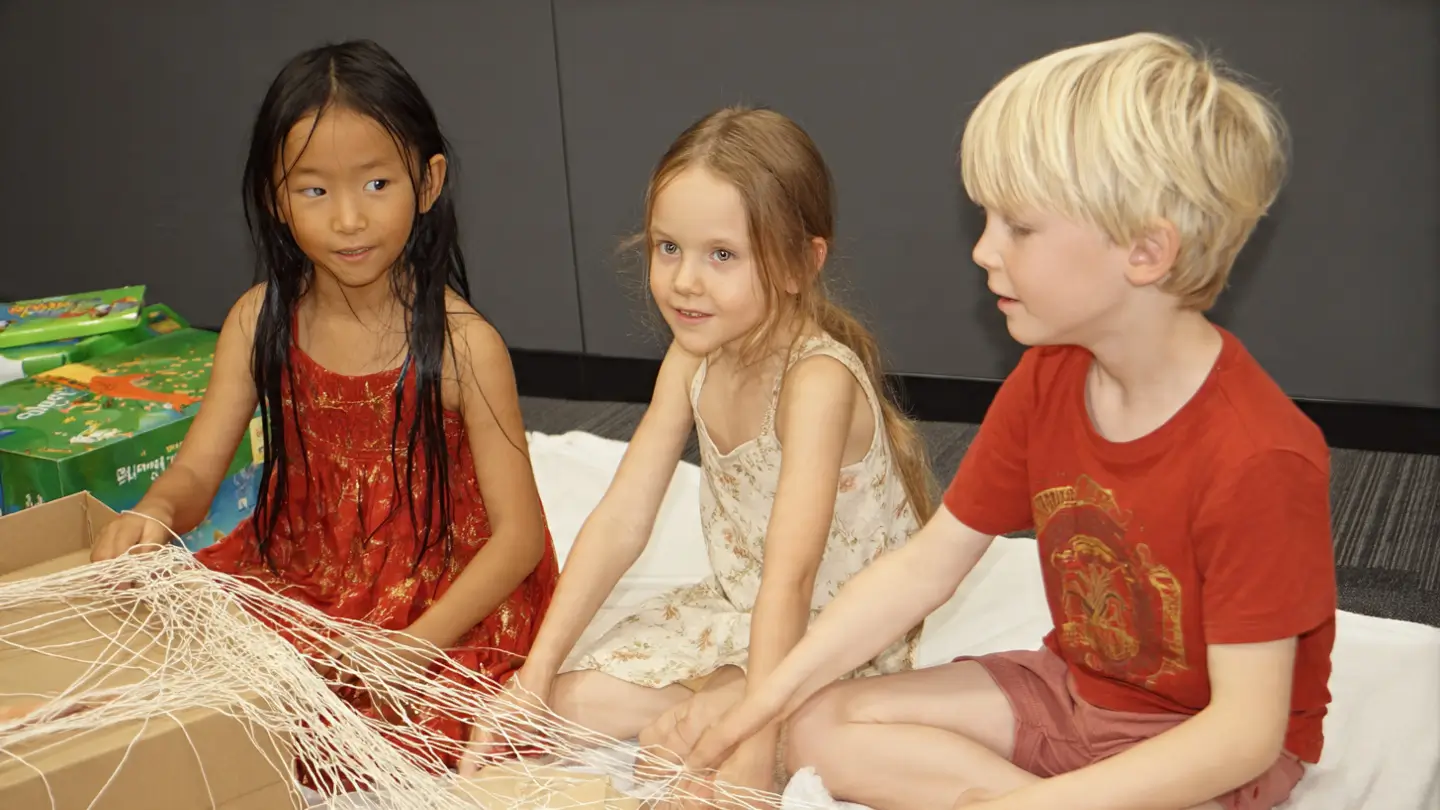
In North America, many parents want to support their children’s growth but feel unsure which activities suit different ages. Children’s abilities and interests change quickly. Activities that engage a toddler may not work for a preschooler. Understanding age-appropriate learning and play helps parents provide experiences that foster cognitive, social and emotional skills effectively.
This guide presents practical examples of activities for infants, toddlers, preschoolers, and early elementary children. Each stage has unique characteristics and needs. Activities are designed to be simple, adaptable and meaningful, supporting growth while keeping play enjoyable.
Infants (0–12 months)
Learning through senses
Infants explore the world mainly through their senses. Touch, sight, sound, taste and movement are how they gather information. Simple sensory experiences help build early learning pathways.
- Provide safe objects with different textures and colors for tactile exploration.
- Use rattles, soft toys, and musical instruments to stimulate hearing.
- Engage in gentle movement activities like tummy time to support motor development.
Language development
Even before speaking, infants learn language through listening and interaction Parents can:
- Sing songs, nursery rhymes, or simple melodies.
- Describe actions and objects during daily routines.
- Encourage babbling and respond to coos and gestures.
Emotional connection
Play strengthens attachment and emotional security. Face-to-face interaction, gentle touch, and responding to cues teach infants trust and emotional regulation.
Toddlers (1–3 years)
Exploration and independence
Toddlers are curious and mobile. They want to explore and make choices. Play should allow freedom and safe risk-taking.
- Stacking blocks, filling and emptying containers develops coordination and problem solving.
- Simple puzzles and sorting activities teach categorization.
- Outdoor exploration helps develop spatial awareness and gross motor skills.
Language and social skills
Toddlers expand vocabulary rapidly and start interacting socially. Parents can support this by:
- Naming objects, colors, and actions during play.
- Encouraging pretend play with dolls or figurines.
- Facilitating short cooperative activities with peers or siblings.
Emotional learning
Toddlers experience strong emotions. Play allows practice in expressing feelings and sharing. Parents model patience, empathy, and self-control during interactions.
Preschoolers (3–5 years)
Imagination and creativity
Preschool children enjoy elaborate pretend play. They begin to understand roles, rules, and storylines.
- Dress-up, role play, and storytelling develop imagination and social understanding.
- Drawing, painting and crafting support fine motor skills and creative expression.
- Building projects like simple structures or LEGO sets promote problem solving.
Cognitive and language skills
Preschoolers are developing early literacy and numeracy skills. Play can strengthen these abilities:
- Counting games, matching, and sorting activities introduce math concepts.
- Rhymes, songs and story creation encourage language and memory.
- Simple board games teach turn-taking, strategy and focus.
Social and emotional growth
Preschool play often involves others. Sharing, negotiating roles, and resolving conflicts support cooperation and empathy. Children learn to manage frustration and celebrate success.
Early elementary (5–8 years)
Structured and open-ended play
Children enjoy a mix of structure and freedom. They can follow rules, plan strategies and engage in longer activities.
- Board games, puzzles and problem-solving tasks develop logical thinking.
- Creative projects like model building, crafts and art support planning and execution skills.
- Outdoor games and sports promote teamwork, physical fitness and coordination.
Cognitive and academic connections
Early elementary children apply learning in play naturally. Activities strengthen focus, patience and memory.
- Story-based games can teach sequencing and comprehension.
- Science experiments, gardening or simple building challenges encourage observation and reasoning.
- Math games support addition, subtraction and problem-solving skills.
Social and emotional skills
Children negotiate rules, cooperate and compete in play. They learn to manage disappointment, share, and respect others’ ideas. Parents can guide reflection by asking questions like “How could you solve this together?”
Tips for parents across ages
Observe and adjust
Watch how children engage with activities. Some may prefer physical play, others imaginative play. Adjust materials and challenges to match interests.
Integrate play into daily life
Everyday routines offer learning opportunities. Cooking, cleaning, and gardening can be playful and educational. Children develop skills while contributing to family life.
Balance guidance and freedom
Provide gentle support without taking control. Encourage exploration and reflection. Use open-ended questions to extend thinking.
Provide space and materials
Simple materials like blocks, paper, crayons, household objects, sand or water are enough. A safe space for exploration encourages creativity and independence.
Conclusion
Age-appropriate learning and play activities support growth at every stage. Infants explore senses, toddlers experiment and socialize, preschoolers develop imagination and early skills, and early elementary children apply reasoning and teamwork. Parents can observe, provide materials and gently guide play to maximize benefits.
Families seeking practical ways to connect play to child development can explore types of play that support learning to find examples that suit their child’s interests and abilities. Integrating age-specific activities strengthens cognitive, social, emotional and physical skills while keeping learning enjoyable.