How learning and play can impact child development ?
In North America, many parents focus on academics and structured activities, believing these are the main ways children learn. The truth is that play is a powerful tool for development. Children learn best when they are curious, engaged and emotionally supported. Play provides a natural way to develop cognitive, social and emotional skills while enjoying the process.
Understanding the benefits of learning and play helps parents support children in balanced and effective ways. Children are not just having fun when they play. They are practicing problem solving, social negotiation, emotional regulation and creativity. These skills support long-term success in school and life.
Cognitive benefits
Problem solving and critical thinking
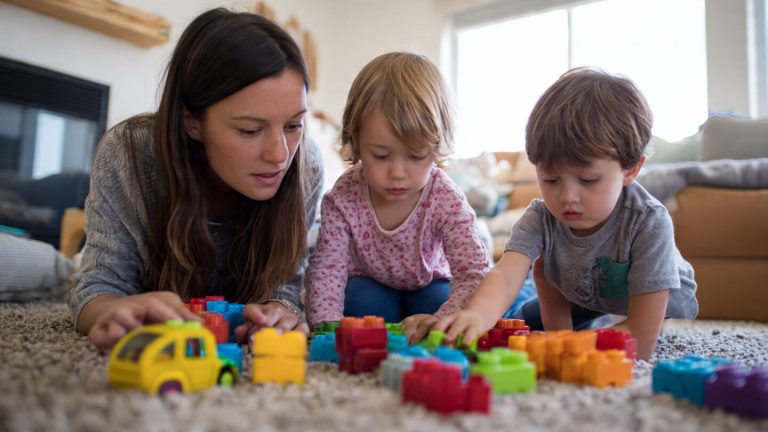
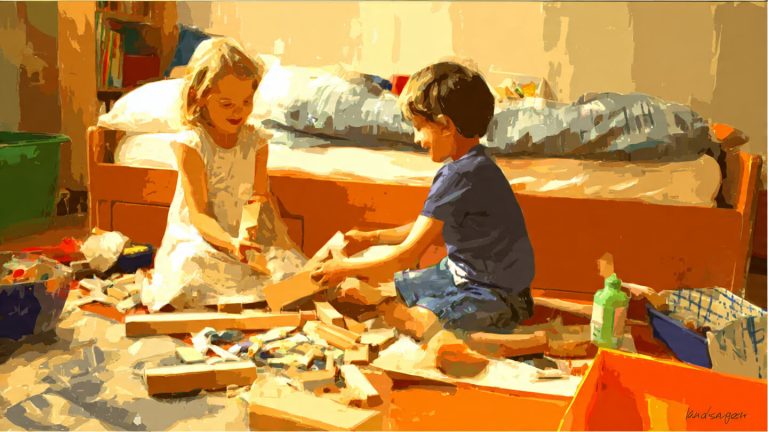
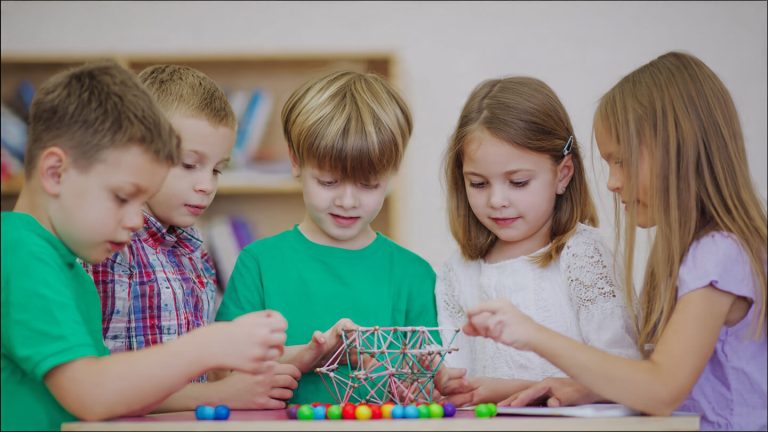
Play encourages children to experiment and think critically. When a child builds with blocks, sorts objects or solves a puzzle, they practice planning, predicting outcomes and adapting strategies. These skills transfer to academic tasks and everyday problem solving. Learning and play create an environment where thinking happens naturally.
Creativity and imagination
Engaging in pretend play or open-ended activities allows children to develop imagination. They create stories, invent roles and explore scenarios. This kind of thinking fosters creative problem solving. Creativity learned through play contributes to flexible thinking later in life.
Focus and attention
During play, children focus on tasks that interest them. Motivation comes from curiosity rather than pressure. This focus supports longer attention spans and improved concentration, which are important for school readiness.
Language and communication
Pretend play encourages dialogue and storytelling. Children narrate actions, describe ideas and use new vocabulary. Even solitary play supports internal language and planning. These skills strengthen communication, reading and writing over time.
Social benefits
Cooperation and teamwork
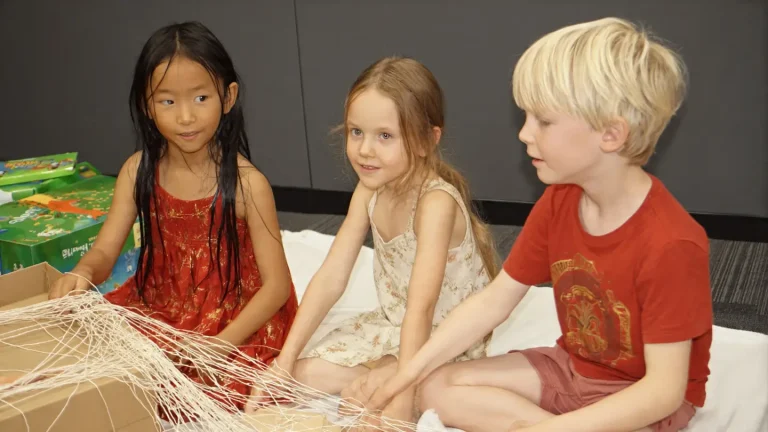
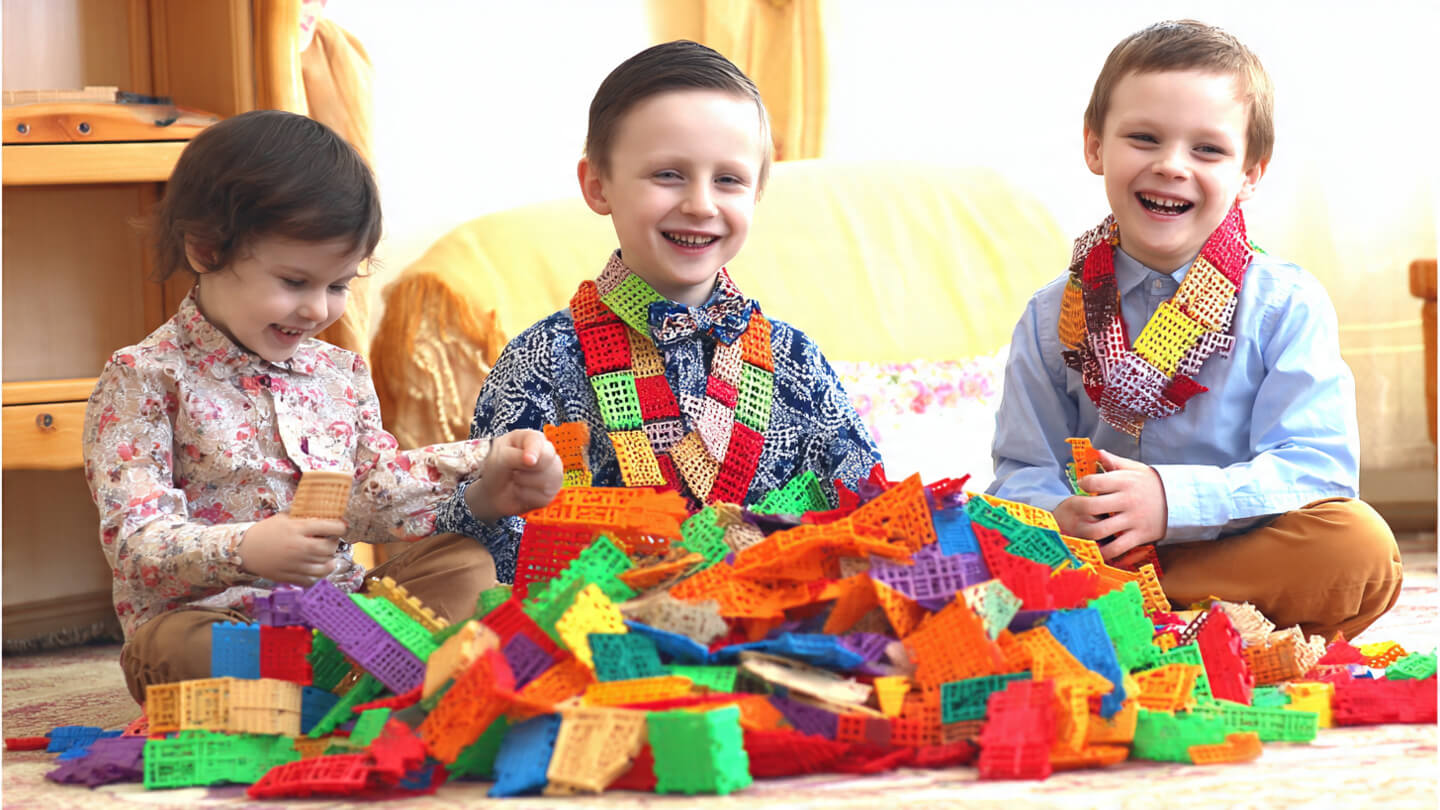
Play often involves interacting with peers or adults. Children learn to share, take turns and follow rules. Negotiating roles and outcomes teaches cooperation. These experiences prepare children for collaborative work and social situations.
Empathy and perspective taking
Pretend play allows children to imagine different perspectives. Taking roles helps them understand feelings and intentions of others. Empathy develops naturally when children experience multiple viewpoints in play scenarios.
Conflict resolution
Disagreements arise naturally during play. Children learn to negotiate, compromise and resolve conflicts. These skills are difficult to teach through instruction alone. Play offers a safe environment for learning how to handle disagreements.
Emotional benefits
Emotional regulation
Children experience joy, frustration and disappointment during play. Learning to manage these feelings is essential for emotional growth. Play provides a safe space to practice patience and persistence.
Confidence and independense
Making choices and solving problems builds confidence. Children who succeed in play feel capable and motivated. Independence grows when children explore and experiment without constant adult direction.
Coping and resilience
Play exposes children to challenges and minor failures. Rebuilding a tower that falls or adjusting a game’s rules teaches resilience. These experiences help children cope with setbacks in school and life.
Physical and sensory benefits
Motor skills
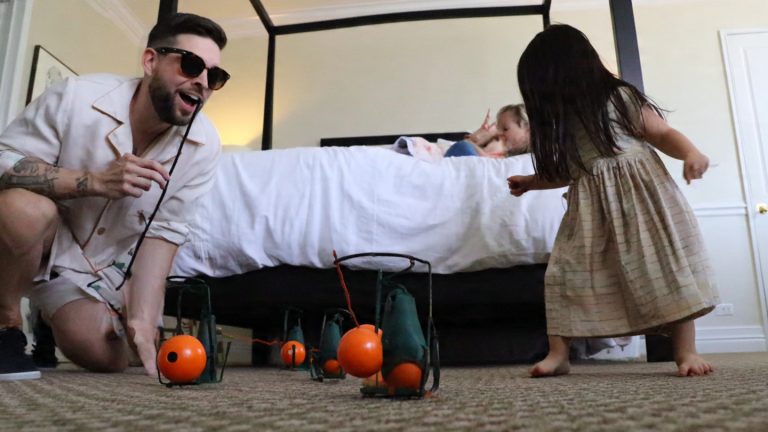
Active play develops both fine and gross motor skills. Running, climbing, drawing and building strengthen coordination and body awareness. Children learn to control movements and improve physical confidence.
Sensory exploration
Exploring textures, sounds and materials enhances cognitive and sensory processing. Sensory play supports problem solving, observation and attention. Young children benefit especially from tactile and hands-on experiences.
Health and well-being
Physical activity through play supports overall health. Children gain stamina, strength and energy regulation. Healthy bodies support healthy minds.
Integrating play in daily life
Observing and encouraging
Parents can observe play to understand interests and developmental strengths. Simple encouragement, comments or questions extend learning without directing it. Asking “How will you make this stable?” invites thinking.
Using everydays routines
Everyday activities provide learning opportunities. Cooking introduces measurement and sequencing. Cleaning up teaches sorting and responsibility. Integrating play into routine makes learning natural.
Balancing structure and freedom
A mix of guided and free play works best. Children benefit from adult support while having freedom to explore. Overly structured tasks reduce creativity and motivation.
Providing materials and space
Materials can be simple: blocks, paper, crayons, water, sand or household objects. A safe space for play, even a small corner, encourages exploration and creativity.
Long-term impact
Learning and play support skills that extend into school and adulthood. Cognitive, social, emotional and physical development are interconnected. Children who experience diverse play develop problem solving, resilience, collaboration and creativity. These benefits are foundational for lifelong learning and adaptability.
Conclusion
Understanding the benefits of learning and play allows families to support children in ways that feel natural and manageable. Children develop cognitive, social and emotional skills while exploring and experimenting. Parents provide time, safe space and gentle guidance, creating an environment where growth happens effortlessly.
Families who want practical strategies for age-specific activities can explorelearning and play activities by age to find ideas that match their child’s developmental stage and interests. Integrating play into daily routines strengthens confidence, curiosity and social skills, creating a foundation for lifelong learning.