Learning and play: How play chapes children’s learning ?
In north american families, daily life moves fast. School expectations, screen time and packed schedules can push play aside. Yet children learn best when they are curious, engaged and emotionally safe. Learning and play come together naturally when children are given space to explore ideas through action. This approach does not compete with school learning. It prepares children for it.
Learning and play is not about turning every game into a lesson. It is about understanding how play supports thinking, language, emotions and social skills. When parents recognize the value of play, they stop seeing it as wasted time and start seeing it as meaningful growth. This mindset changes family routines and reduces pressure on children.
This guide looks at learning and play from a practical point of view. It is written for families who want clear answers and realistic guidance. The goal is to help parents understand how play shapes learning and how to support it without stress or guilt.
Understanding learning and play
Learning and play describes the natural way children build knowledge through active experience. Children do not learn only by listening or memorizing They learn by doing, trying, repeating and adjusting. Play creates the conditions where this process happens naturally.
When a child plays, the brain is fully involved. Attention is focused because the activity feels meaningful. Motivation comes from curiosity rather than external rewards. This state is ideal for learning. Children explore ideas at their own pace and according to their interests.
Learning and play includes many forms of activity. Free play allows children to choose what they do and how they do it. Guided play adds gentle adult support without taking control. Pretend play helps children understand the world around them. Physical play supports both body and brain development. All these forms contribute to learning in different ways.
One key element of learning and play is choice. When children choose their activity, they take ownership of the experience. This builds confidence and independence. It also helps children understand their strengths and preferences. Learning becomes personal and meaningful.
Another important element is experimentation. Play allows children to test ideas without fear of failure. A tower falls and gets rebuilt. A rule changes and the game continues. These moments teach problem solving and flexibility. Children learn that effort matters more than perfection.
Adults often miss the structure inside play because it does not look like formal learning. Yet children create rules, patterns and goals during plays. They plan, adapt and reflect. These mental processes support later academic learning.
Emotion also plays a major role. Through play, children express feelings they cannot always explain with words. They process experiences and develop emotional regulation. A child who plays through a difficult moment is learning how to cope and recover.
For parents who want a clearer explanation grounded in daily life, the page on understanding learning and play offers concrete examples and simple language that connect theory to real family situations.
Understanding learning and play helps parents shift perspective. Instead of asking what their child should learn next, they begin to observe how their child is already learning. This awareness sets the foundation for exploring the deeper benefits of learning and play on child development.
Benefits of learning and play for child development
When learning and play are part of a child’s daily life, development happens in a balanced and lasting way. Play supports the whole child, not just academic skills. It touches thinking, emotions, social behavior and physical growth. For many north american families, understanding these benefits helps reduce pressure and unrealistic expectations.
Cognitive development is one of the most visible benefits. During play, children practice attention, memory and problem solving without feeling tested. They plan actions, predict outcomes and adjust strategies. A simple game can involve counting, sorting or recognizing patterns. Because the activity is enjoyable, children stay engaged longer and learning becomes deeper.
Language development grows naturally through play. Children talk more when they feel relaxed and involved. Pretend play encourages storytelling and dialogue. Even solitary play supports internal language as children think through ideas. These experiences build vocabulary and communication skills that support reading and writing later on.
Social development is another major area influenced by learning and play. Playing with others teaches children how to share space, negotiate rules and manage disagreements. These skills are learned through experience, not instruction. Play offers a safe environment to practice cooperation and empathy.
Emotional development is closely linked to play. Children express joy, frustration and fear while playing. Over time, they learn how to regulate these emotions. When a game does not go as planned, a child learns patience and resilience. These moments build emotional strength and self control.
Physical development also benefits from play. Movement based activities improve coordination, balance and strength. Active play supports brain development and emotional regulation. Fine motor skills develop through building, drawing and manipulating objects. These abilities support independence and confidence.
Another important benefit is motivation. Children who learn through play develop a positive relationship with learning. They see it as something enjoyable rather than stressful. This mindset supports long term engagement with school and life learning.
The benefits of learning and play also extend to family relationships. When parents join play without directing it, connection grows. Children feel supported and understood. These shared moments strengthen trust and communication.
For families who want deeper insight, the page on benefits of learning and play https://hapidoo.com/benefits-of-learning-and-play-for-child-development/ explores how these advantages appear at different stages of childhood.
Understanding these benefits helps parents value play as essential, not optional. With this foundation, it becomes easier to explore the different types of play that support learning and how each one contributes to child development.
Types of play that support learning
Play is not a single activity. It takes many forms, and each one supports learning in a different way. When parents recognize these forms, they can better understand what their child is gaining from play without trying to control it. Variety is more important than structure.
Free play is one of the most important types. In free play, the child decides what to do, how to do it and when to stop. There is no fixed goal set by an adult. This type of play builds creativity, independence and self confidence. Children learn to make decisions and follow their interests. Free play often looks simple, but it supports deep thinking and motivation.
Pretend play allows children to explore roles and situations from everyday life. Playing family, school or community roles helps children understand social rules and emotions. Language skills grow quickly in pretend play because children create stories and dialogue. This type of play also helps children process real life experiences in a safe way.
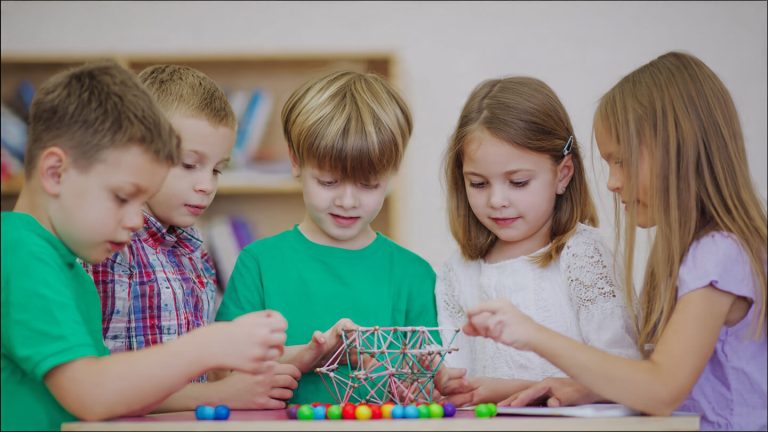
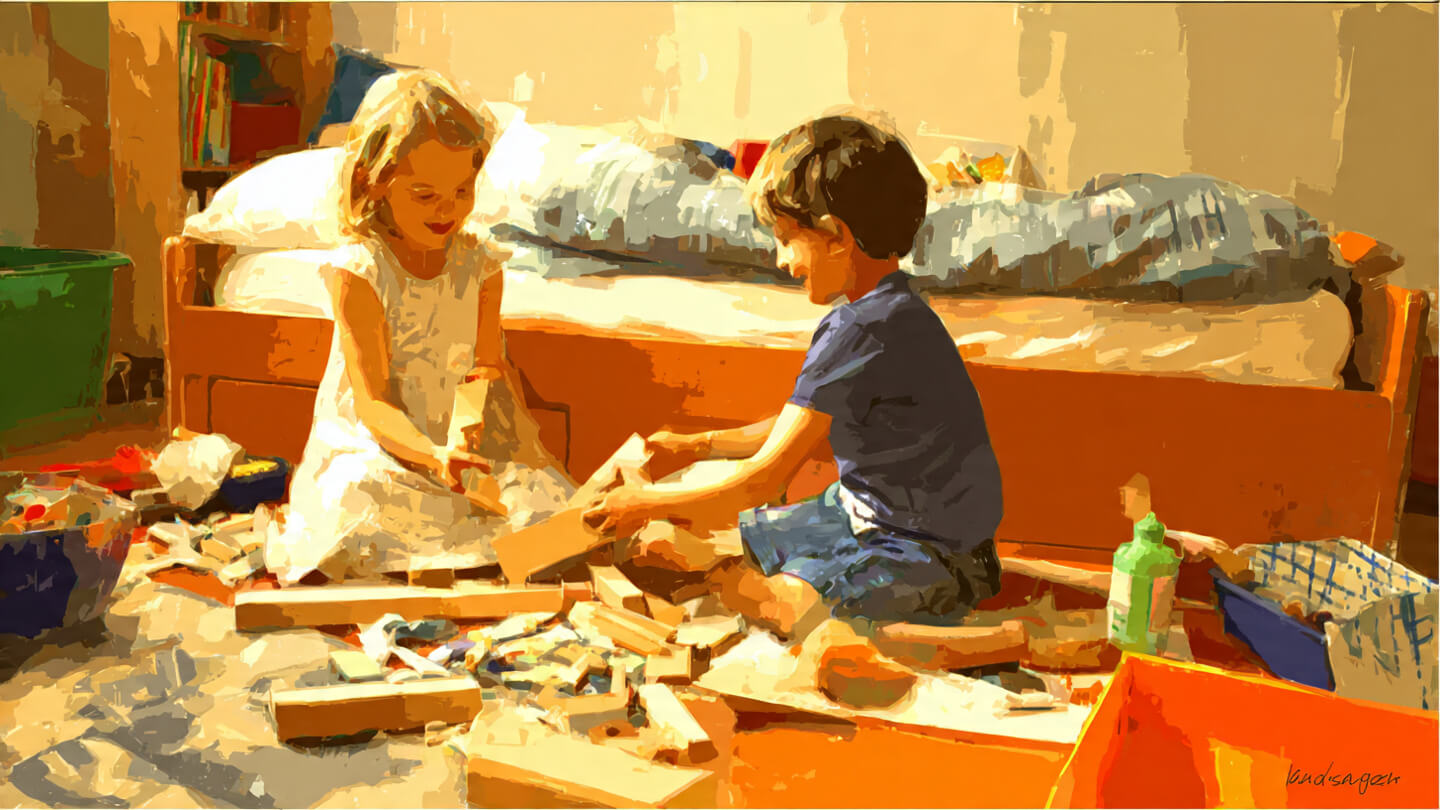
Constructive play focuses on building and creating. Blocks, puzzles, drawing and crafts are common examples. Children learn about cause and effect, planning and problem solving. They also develop fine motor skills. Constructive play encourages persistence because children often rebuild and adjust their ideas until they are satisfied.
Physical play supports learning through movement. Running, climbing and active games improve coordination and body awareness. Movement also supports brain development and emotional balance. Many children concentrate better after physical play. This type of play is especially important in a world where children spend more time sitting.
Sensory play involves exploring materials through touch, sound and movement. Sand, water, play dough and natural objects invite curiosity. Sensory play supports early science learning and helps children regulate emotions. It is particularly helpful for younger children and those who need calming activities.
Guided play blends child choice with gentle adult support. The parent may introduce an idea or ask a question while allowing the child to lead. This type of play can extend learning without turning play into instruction. The balance is important. When adults guide without taking control, learning deepens.
Each type of play appears naturally when children have time and space. Parents do not need to plan them all. Observing play helps families understand which forms their child enjoys most. For practical examples in everyday settings, the page on types of play that support learning connects these forms to real home experiences.
When children experience different types of play, learning becomes richer and more balanced. The next step is understanding how play changes with age and how to support learning and play at each stage of development.
Learning and play activities by age group
Children’s needs and interests change as they grow. Learning and play should evolve with them, not follow a fixed formula. When parents understand how play supports learning at different ages, they can offer experiences that feel natural and supportive rather than forced.
For infants and toddlers, learning and play are closely tied to the senses and movement. At this stage, children explore the world by touching, tasting, listening and moving. Simple activities like stacking objects, filling containers or playing with water support early thinking skills. Songs, rhymes and picture books build language and attention. Play should be short, flexible and repeated often, as repetition helps the brain form connections.
Preschool aged children show strong curiosity and imagination. Pretend play becomes richer and more detailed. Dressing up, role playing and simple storytelling help children understand social situations and emotions. Hands on activities like drawing, cutting and building support fine motor development and early writing skills. At this age, childre learn best when play allows freedom within gentle boundaries.
Early elementary children begin to enjoy structure and challenge. Board games, puzzles and creative projects support problem solving, patience and cooperation. Rules become meaningful, but flexibility remains important. Play continues to support learning even as school demands increase. It helps children manage stress and maintain motivation.
Outdoor play is valuable at every age. Nature offers endless learning opportunities. Children observe changes, collect objects and test physical limits. Outdoor play supports independence, curiosity and physical health. It also encourages risk awareness and confidence.
Parents sometimes worry about choosing the right activity. In reality, watching the child is more important than selecting the perfect game. When a child is engaged and curious, learning is happening. When interest fades, it is time to adjust.
Families looking for inspiration often explore learning and play activities by age to find ideas that match their child’s stage while respecting individual rhythm.
Adapting play to age does not mean limiting exploration. Children often move between stages and enjoy activities above or below their age level. Supporting this flexibility helps children grow with confidence. With age appropriate play in place, many families next focus on how to bring learning and play into daily home life.
Learning and play at home for families
Home is the first place where learning and play come together. It does not need special materials or a strict schedule to support development. What matters most is the atmosphere. When children feel safe, relaxed and supported, learning happens naturally through everyday moments.
Many north american families believe that learning at home requires planning activities or buying educational toys. In reality, daily routines already offer rich opportunities. Cooking together introduces numbers, sequencing and language. Setting the table supports categorization and responsibility. Sorting laundry becomes a lesson in colors and patterns. These moments are simple, but they build real skills.
Unstructured time is another key element. Children need moments where they are not guided by adults or screens. During this time, they invent games, solve small problems and follow their curiosity. This freedom supports focus and independence. Short periods of free play throughout the day are often more effective than long planned sessions.
The physical space at home also matters. Children benefit from having an area where play is allowed without constant interruption. This does not require a large home. A corner with basic materials like paper, blocks or everyday objects can invite creativity. When children know they have permission to explore, they engage more deeply.
Screen time often enters the discussion. Digital tools can support learning when used with intention, but they should not replace physical and social play. Balance is important. Children need movement, interaction and real world experiences to fully develop thinking and emotional skills.
Parents play a quiet but important role at home. Observing play helps parents understand what interests their child and where support is needed. Joining play without directing it strengthens connection. Simple comments and questions show interest without taking control.
Families who want realistic guidance often turn to learning and play at home for families to discover how small changes in routine can make a big difference. This approach values consistency over perfection.
When learning and play become part of daily life, stress decreases for both parents and children. Learning feels natural, not forced. This foundation makes it easier to understand the final element of the topic, the role parents play in supporting learning and play.
Parents role in learning and play
Parents have a powerful influence on how children experience learning and play. This role does not require expert knowledge or constant involvement. It is based on presence, trust and understanding how children learn naturally. When parents adjust their posture, play becomes a strong learning tool rather than a source of conflict.
One of the most important roles parents play is protecting time for play. Children need uninterrupted moments to become fully engaged. When play is constantly stopped or rushed, learning stays shallow. Allowing play to continue, even when it looks repetitive, supports concentration and persistence. These skills are essential for future learning.
Emotional safety is another key element. Children take risks during play. They try new ideas and sometimes fail. When parents respond with patience and calm, children feel safe to explore. Criticism or pressure can quickly shut down curiosity. A supportive response encourages confidence and resilience.
Observation is more valuable than instruction. By watching how a child plays, parents learn about interests, strengths and challenges. This understanding helps parents know when to step in and when to step back. Support becomes responsive rather than controlling. Children feel respected and trusted.
Language also matters. Simple observations like you are working hard on that or that looks tricky invite reflection without taking control. Open questions encourage thinking while keeping play in the child’s hands. The goal is to extend learning, not to test knowledge.
Parents also model attitudes toward learning. When adults show curiosity, flexibility and patience, children absorb these values. Play becomes a shared experience rather than a task to complete. This shared mindset strengthens relationships and supports learning across all areas of life.
Families who want to better understand this balance often explore parents role in learning and play to gain clarity and confidence in their approach.
When parents see themselves as partners rather than directors, play regains its natural power. Children feel supported and motivated. With this understanding in place, learning and play become a positive force that shapes development over time.
Conclusion
Learning and play are not separate parts of childhood. They are deeply connected and together they shape how children think, feel and grow. When families value play, learning becomes a natural process rather than a source of pressure. Children explore ideas, test limits and build skills that stay with them far beyond early childhood.
For north american families, this approach offers balance in a fast paced world. It reminds parents that meaningful learning does not require constant instruction or perfect activities. It grows from trust, curiosity and shared moments. When parents provide time, emotional safety and space to explore, children develop confidence and resilience.
Learning and play also strengthen family relationships. Shared play builds connection and communication. It helps parents understand their children better and respond to their needs with patience. Over time, this creates a home environment where learning feels safe and motivating.
Families looking for practical next steps can start with small changes. Creating space for free play, observing without directing and using everyday routines as learning moments makes a real difference. For immediate value at home, exploring learning and play at home for families can help parents apply these ideas in simple and realistic ways.