The Stages of Empathy Development in Children
Empathy development is a gradual process that unfolds over the years, with each stage of a child’s growth bringing new social and emotional skills. Empathy is a fundamental ability for forming strong interpersonal relationships and navigating daily life successfully. Understanding these stages and knowing how to support your child at each phase can help them become emotionally intelligent and caring individuals.

Birth to 2 years: Early signs of empathy
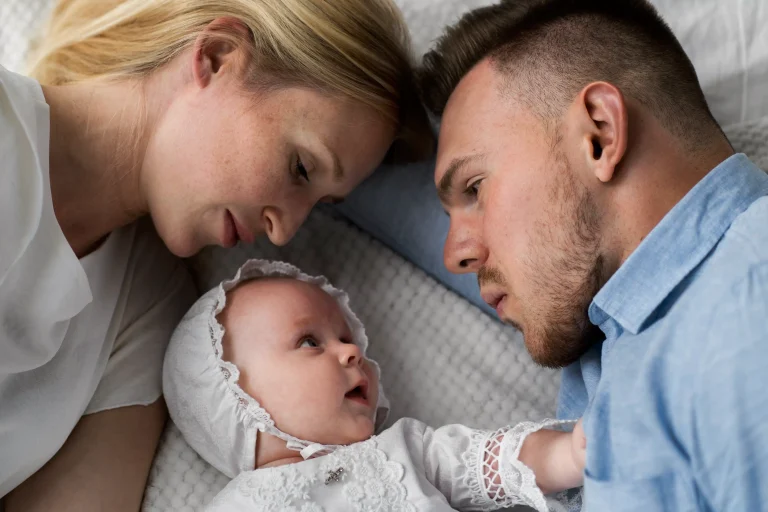
Empathy in infants looks very different from empathy in older children. From the first months of life, babies begin to sense the emotions of others. They may cry when they hear another baby crying or show signs of comfort when a parent or caregiver is upset. This may seem simple, but it is actually the first form of empathy, often called emotional resonance. Babies do not yet understand why they feel what they feel, but they are sensitive to others’ emotions, which begins to form emotional bonds.
During this period, parents play a crucial role by modeling facial expressions and comforting behaviors. A parent who smiles and speaks in a calm voice sends subtle cues to the baby about how to respond to others’ emotions.
Ages 2 to 5: Developing understanding of emotions
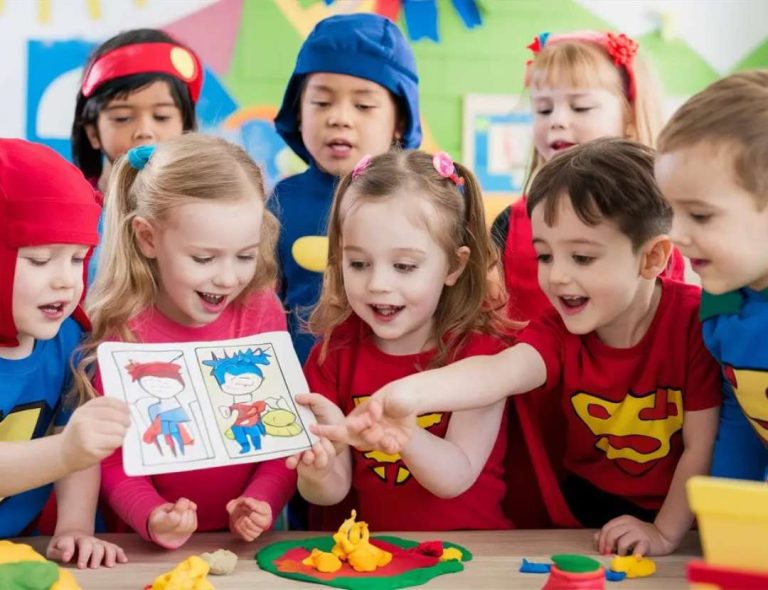
At this stage, children begin to recognize specific emotions in others and can connect actions with emotional reactions. For example, they may understand that a friend is crying because they lost a toy or that someone is smiling because they are happy. However, empathy at this age is often still self centered. A child may want to share their toy to comfort a friend, but they may not fully understand the motivations behind the other person’s emotions.
Children this age start asking questions about feelings, which is a perfect opportunity for parents to guide them. Asking questions like, “How do you think your friend feels right now?” or “What could you do to help them?” encourages children to reflect on others’ emotions.

Ages 5 to 7: More cognitive empathy
From around age 5, empathy becomes more sophisticated. Children begin to understand that others may have feelings different from their own and that these feelings can be influenced by external events. They start asking why someone might be sad or happy. Empathy at this stage is no longer just about feeling others’ emotions it is also about understanding them.
For instance, a child might understand that a classmate is sad because they lost a competition, but they might also feel frustrated or unfairly treated if they themselves won. At this stage, children navigate more complex emotions like frustration or guilt and start to comprehend the motivations behind others’ feelings.
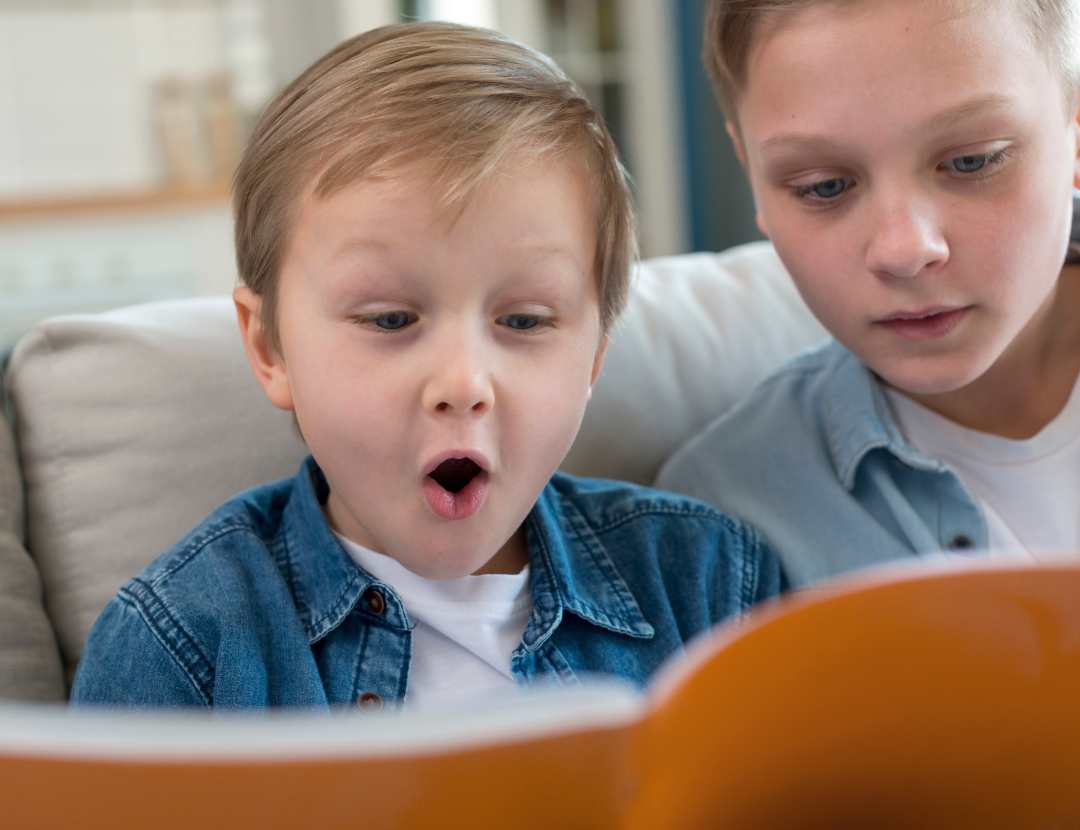
Parents can support this development by engaging in conversations about emotions in daily situations. Discussing feelings portrayed in books, movies, or everyday experiences helps children understand the range and complexity of human emotions.
Ages 7 to 12: Social and moral empathy
As children grow, they begin to understand the impact of their actions on others. This is when empathy becomes truly social and moral. Children can consider others’ feelings when making decisions. For example, they may choose to share their snack with a sad classmate or avoid laughing when someone feels embarrassed.
At this stage, children also grasp concepts of fairness and reciprocity in social interactions. They learn the difference between a simple friendly gesture and an action that genuinely comforts or helps someone in need.
Parents can foster this development by encouraging group activities, collaborative games, and school projects that promote social interaction. It is also important to help children recognize their own emotions and manage conflicts constructively.
Adolescence: Moral empathy and decision making
During adolescence, empathy becomes even more complex. Teens can understand nuanced emotions, handle more complicated conflicts, and adopt multiple perspectives. They often engage with others’ feelings on a more abstract level, particularly regarding social and moral issues. For example, they may be sensitive to social injustices or broader problems that affect others, such as discrimination or inequality.
At this stage, empathy is critical for shaping personality and moral reasoning. Teenagers begin forming their own values and making decisions guided by empathy and ethics.
Parents can support adolescents by discussing moral questions and encouraging them to consider how their actions affect not only those close to them but also the wider community. Teens who feel heard and are encouraged to express their views are more likely to develop strong social empathy.
The development of empathy in children is a journey that begins in the first months of life and continues throughout childhood and adolescence. Each stage is important for building the social and emotional skills that help a child grow into a balanced adult, capable of understanding and respecting the feelings of others.To learn more about how empathy plays a vital role in managing your child’s emotions, check out our article “Empathy: A Key Tool in Managing Your Child’s Emotions.”