What is the parents role in learning and play ?
I am Larbi. I am fifty five years old with a bachelor’s degree in education. I have spent decades coaching families on child development. Parents are not just providers of food, shelter and safety. They are guides, observers, and co-players in their children’s learning journey. Children develop cognitive, social, emotional and physical skills most effectively when parents create supportive environments and participate in play thoughtfully.
Understanding the role of parents helps families integrate play and learning into everyday life naturally. It is not about directing every activity or imposing rigid routines. It is about observing, supporting, and providing opportunities for children to explore, experiment and grow.
Observing and understanding your child
Why observation matters
Observation is the first step in supporting learning and play. Watching how children choose activities, solve problems and interact with others provides insight into their interests, strengths, and challenges. Parents can adjust guidance based on what they see.
Understanding learning styles
Children have unique ways of learning. Some are more tactile and enjoy hands-on activities. Others learn better through language, imagination or movement. Observing play helps parents recognize preferences and tailor experiences to each child.
Identifying developmental needs
Through observation, parents notice milestones in cognition, motor skills, language and social development. Awareness of these milestones allows timely support and encourages growth without pressure.
Providing safe and supportive environments
Physical space
A safe, organized space allows children to explore without unnecessary risk. Play corners, designated areas for art, building or movement give children freedom to experiment. Space encourages independence and confidence.
Emotional support
Children take risks during play, both physical and cognitive. Parents who respond calmly and positively provide emotional security. Celebrating effort, encouraging persistence and acknowledging feelings support self-esteem and resilience.
Materials and resources
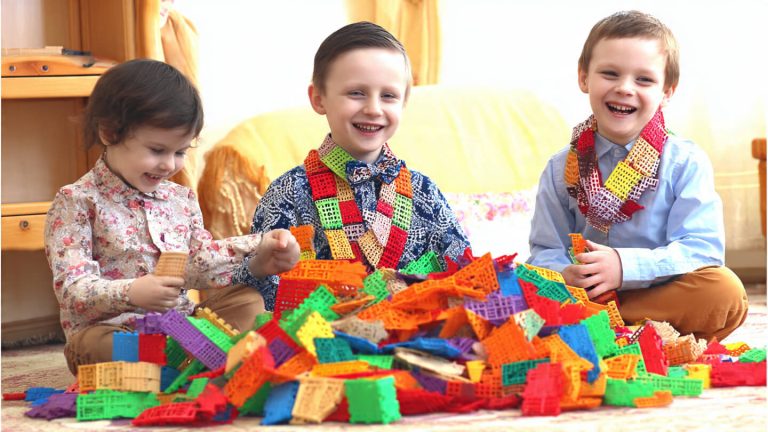
Providing simple, versatile materials enhances play. Blocks, paper, crayons, household items, water, sand, or natural objects allow diverse experiences. The goal is flexibility and creativity, not expensive toys or structured programs.
Active participation
Joining play without controlling
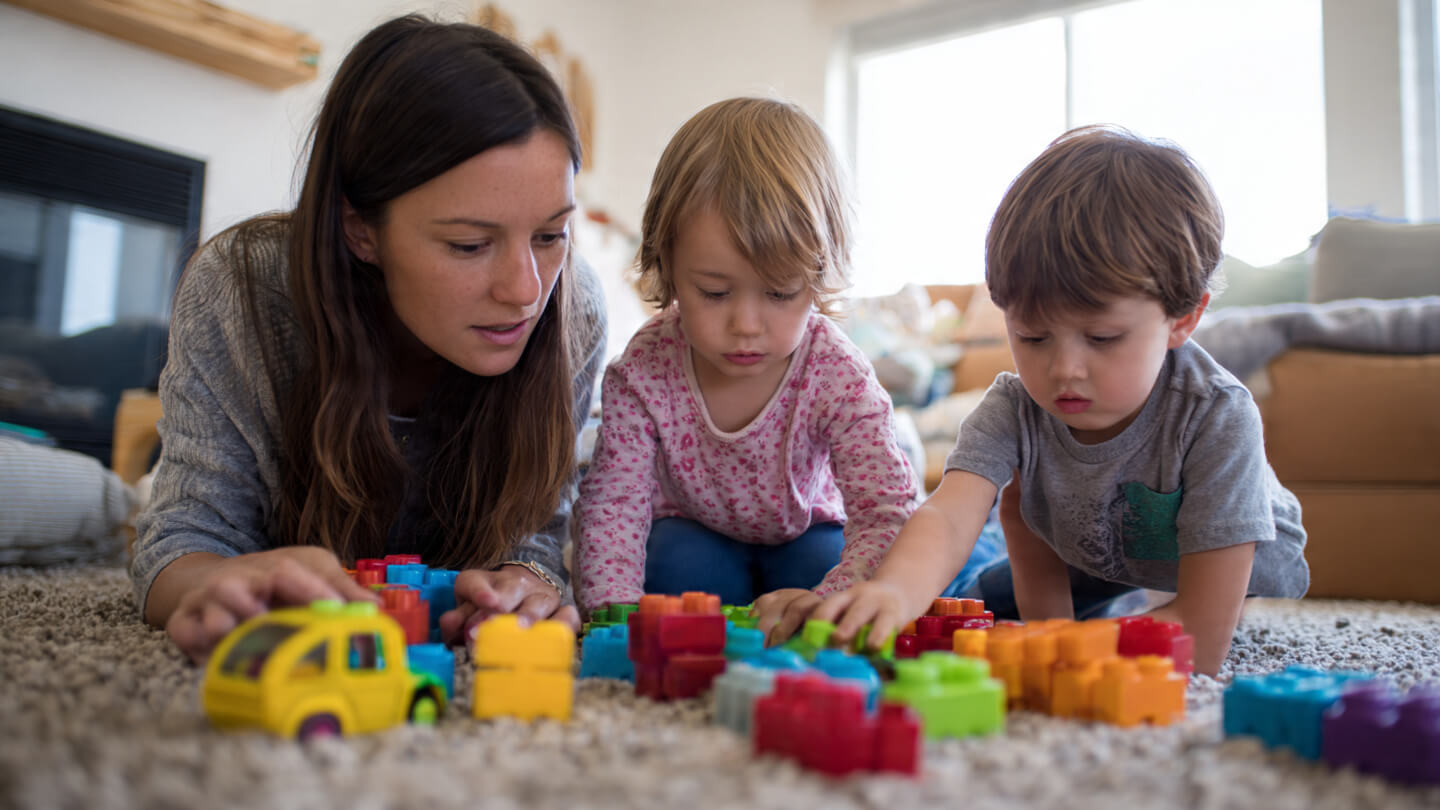
Parents can participate in play without taking over. Asking questions, suggesting challenges or commenting on strategies encourages thinking while maintaining child-led control. Interaction strengthens bonding and models problem-solving approaches.
Encouraging reflection
Parents can guide children to think about actions and outcomes by asking open-ended questions. “What do you think will happen next?” or “How could we try this differently?” encourages critical thinking and creativity.
Modeling learning behaviors
Children observe parents’ attitudes toward learning. Demonstrating curiosity, patience, persistence and adaptability encourages children to adopt similar habits. Parents model problem solving, emotional regulation and positive social interaction.
Balancing freedom and guidance
Child-led exploration
Children need time to lead activities. Free play encourages independence, creativity and decision making. Parents step back to allow exploration while being available for support.
Guided play
Guided play blends child choice with gentle adult support. Parents introduce materials, suggest challenges or ask questions while letting the child control direction and pace. This approach extends learning without reducing engagement or autonomy.
Structured activities
Some structured activities have value, particularly when introducing new concepts or routines. The key is balance. Too much direction can reduce creativity and motivation. Combining structured learning with free and guided play supports holistic development.
Encouraging social and emotional growth
Facilitating peer interaction
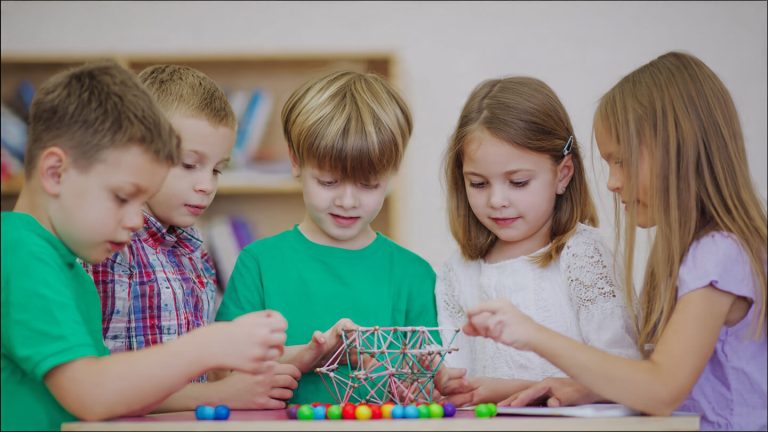
Parents can organize playdates or group activities that encourage sharing, cooperation and negotiation. Social play teaches empathy, problem solving, and conflict resolution.
Emotional coaching
Children encounter frustration, disappointment or excitement during play. Parents can help label emotions, model coping strategies and encourage reflection. These practices support emotional regulation and resilience.
Building confidence
Allowing children to make choices, solve problems and complete tasks independently builds self-esteem. Parents provide reassurance and celebrate effort rather than focusing solely on results.
Integrating learning and play into daily life
Everyday opportunities
Daily routines offer natural chances for learning and play. Cooking, cleaning, gardening, or organizing toys can be turned into engaging activities. Children learn math, science, language, and problem solving through practical experiences.
Consistency and routine
Regular play sessions, even short, help children anticipate and engage. Predictable routines provide security while encouraging exploration and independence.
Flexibility
Parents adapt activities based on mood, energy, and interests. Being flexible allows learning to remain enjoyable and stress-free. Children are more likely to engage deeply when activities are responsive to their needs.
Long-term impact
Parental involvement in learning and play fosters lifelong curiosity, resilience, and problem-solving skills. Children develop cognitive, social, emotional, and physical abilities that prepare them for school and life challenges. Parents who observe, support and participate create positive associations with learning and encourage confident, independent children.
Conclusion
Parents play a central role in shaping children’s learning and play experiences. Observation, support, guidance and participation help children develop skills naturally while maintaining autonomy and enjoyment. Families can provide safe spaces, versatile materials, and emotional reassurance while balancing free, guided and structured play.
Families seeking practical examples of home activities can explore learning and play at home for families to see how routines, materials and parent involvement support development. Integrating these practices strengthens curiosity, confidence and lifelong learning habits.