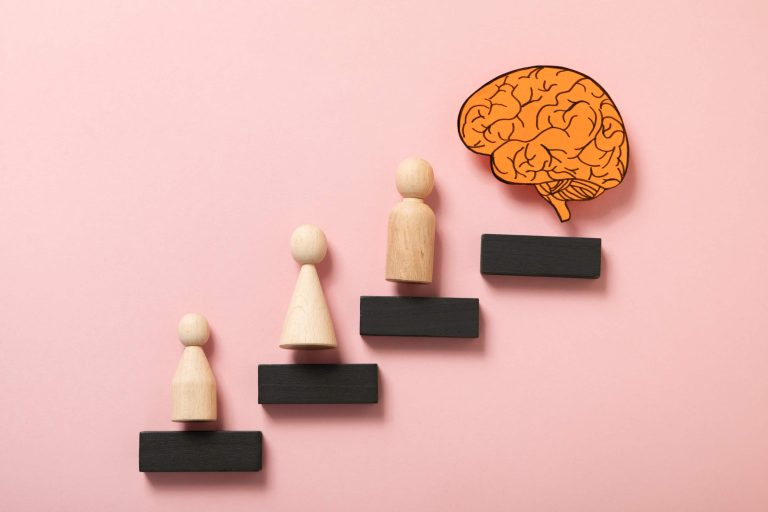
Neurodevelopmental disorders: Signs, causes & support

Understand neurodevelopmental disorders, early warning signs, and support strategies to foster healthy brain growth in children.
Neurodevelopmental disorders can impact learning, behavior, and social skills in children. Early recognition and understanding of these conditions are essential for effective support and intervention. Explore practical strategies and insights in our complete guide for promoting optimal brain development.
Neurodevelopmental disorders: Signs, causes & support
Neurodevelopmental disorders affect how the brain grows and functions, influencing learning, behavior, and social interaction. Early recognition and intervention are essential to support healthy development and reduce long-term challenges. Understanding these conditions helps caregivers, educators, and parents provide effective support. For a broader view of normal development, the stages of brain growth offer a guide complete for nurturing neural potential.
Common neurodevelopmental disorders
Several conditions fall under neurodevelopmental disorders. ADHD, autism spectrum disorder, and learning disabilities are among the most prevalent. Each condition presents unique patterns of behavior, cognitive function, and social interaction. While some challenges are apparent in early childhood, others may become noticeable as demands for learning and social skills increase.
Attention-deficit/hyperactivity disorder (ADHD) often involves difficulties with focus, impulse control, and organization. Autism spectrum disorder (ASD) affects social communication and repetitive behaviors. Learning disabilities can impact reading, writing, math, or processing skills. Early identification allows for tailored strategies to support development.
Signs and early detection
Recognizing early signs is crucial. In infants and toddlers, delays in language, social engagement, or motor skills may indicate a need for evaluation. In school-age children, difficulties with attention, learning, or emotional regulation can signal underlying challenges. Observing patterns over time, rather than isolated behaviors, provides a clearer picture of developmental needs.
Regular screenings, assessments, and collaboration with healthcare professionals help identify concerns. Early intervention can significantly improve outcomes, allowing children to build skills and confidence in their abilities.
Causes and contributing factors
Neurodevelopmental disorders arise from a combination of genetic, environmental, and neurological factors. Genetics can predispose children to certain conditions, while prenatal exposures, birth complications, or early life stressors can influence development. Environmental enrichment, supportive caregiving, and early learning opportunities can mitigate some risks and enhance adaptive skills.
Understanding these influences emphasizes that these disorders are not a result of poor parenting or lack of effort. Rather, they reflect differences in brain development that require appropriate support and guidance.
Support strategies
Supportive strategies vary depending on the condition and the child’s needs. Individualized education plans, behavioral therapies, speech and occupational therapy, and social skills training are common approaches. Consistency, structure, and positive reinforcement help children develop skills and confidence.
Family involvement and collaboration with educators and healthcare providers enhance the effectiveness of interventions. Providing predictable routines, clear communication, and opportunities for mastery encourages learning and adaptation.
Long-term considerations
With appropriate support, children with neurodevelopmental disorders can thrive academically, socially, and emotionally. Early intervention, continued monitoring, and a nurturing environment are critical for long-term success. Emphasizing strengths alongside challenges helps build resilience and self-esteem.
Understanding neurodevelopmental disorders allows caregivers and educators to respond effectively, providing guidance and support tailored to each child’s needs. For insight into optimizing brain growth through lifestyle and activities, see the article on how to improve brain development.