How to teach empathy to your child: Techniques and practical activities
Empathy is an essential social and emotional skill that allows a child to understand and respond appropriately to others’ emotions. As parents, it is important to guide your child in developing this quality from an early age. But how can you, as a family, nurture empathy in everyday life? What techniques and practical activities can you incorporate into your routine to help your child become more empathetic? Let’s explore some simple and effective ideas together.
Parental modeling: Teaching by example
Children learn a lot by observation. Your behavior, emotional reactions, and interactions with others will shape how your child learns to respond to others’ emotions. If you show empathy by listening to others, offering support, or validating the emotions of those around you, your child will be more likely to adopt these behaviors.
For example, if a friend or family member is going through a difficult time and you express compassion by asking, “How can I help?” or “I see you’re sad; do you want to talk about it?” you are teaching your child the importance of recognizing others’ emotions and responding with kindness.
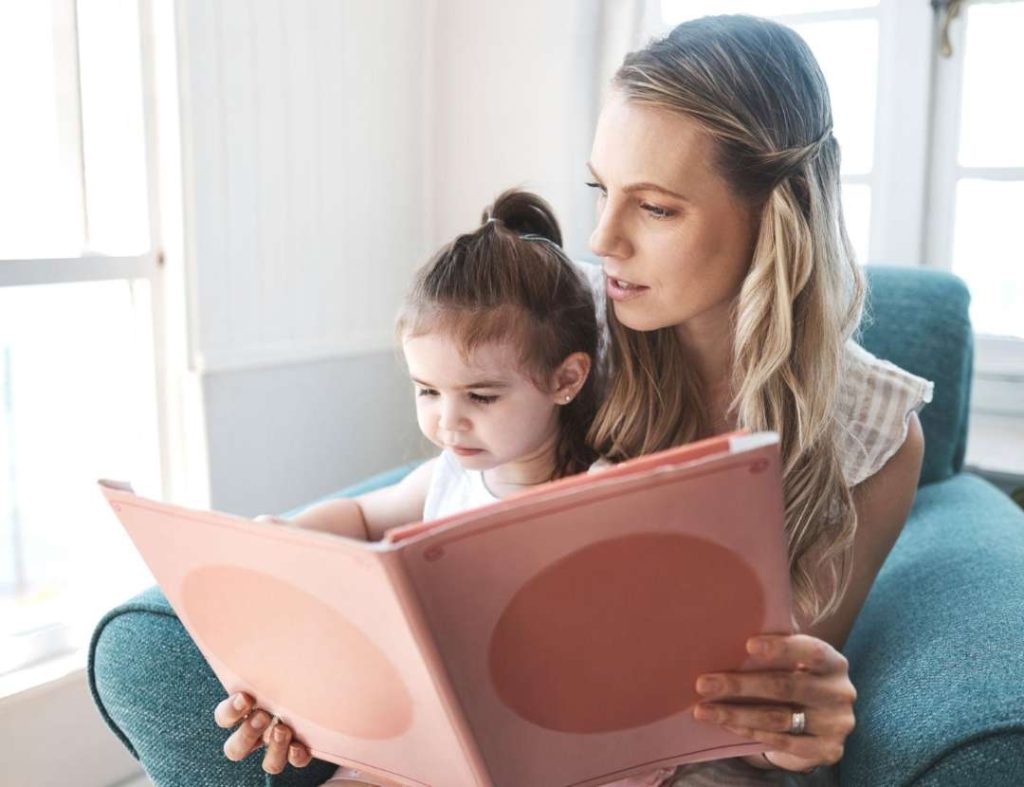
The importance of active listening
Learning to listen actively is a cornerstone of empathy. When your child talks about their feelings or experiences, it is crucial to give them your full attention and validate what they are feeling. Active listening involves making comments that show you understand, such as “I understand you’re frustrated because you didn’t get what you wanted” or “That must be hard for you, I can see that you’re really sad.”
This validation reinforces the idea that emotions are legitimate and that it’s important to pay attention to them. It also teaches your child that open communication is essential for understanding others and resolving conflicts in a healthy way.

Using books and stories
Stories are an excellent way to teach empathy. They allow children to put themselves in the characters’ shoes and understand their emotions. Whether it’s a children’s book or a family-told story, characters facing dilemmas or emotional challenges provide a perfect opportunity to discuss emotions and how to respond to them.
Asking your child what they feel about a situation in a story (“What would you do if you were in the character’s shoes?”) can help them understand others’ feelings and develop their own sense of empathy.
Role playing to encourage empathy
Role-playing is another effective technique for teaching empathy. By playing games where the child must take on the role of another character, they can explore and understand different emotions. For example, you can play a game where the child plays the role of someone else – like a sad friend, a distressed animal, or a character facing a tough situation – and encourage them to respond based on the emotions they perceive.
This type of play helps the child develop their ability to understand others’ emotions and respond with kindness. You can also use dolls, puppets, or figurines to act out social and emotional situations.
Creating an environment that fosters empathy
A family environment that promotes empathy is essential for helping your child develop this skill. Create an atmosphere where expressing emotions is encouraged, and open communication is a priority. For example, you could set up moments where everyone in the family shares their feelings honestly and respectfully.
By establishing family rituals that promote empathy, such as taking a moment each evening to discuss emotional moments from the day, you show your child that feelings are important and that it’s essential to recognize and share them with others.
Encouraging Acts of Kindness
Small acts of kindness are simple yet powerful ways to teach empathy. Encouraging your child to show generosity, whether by sharing their toys, offering help, or giving a sincere compliment to someone else, teaches them how small gestures can make a big difference for another person.
Parents can initiate acts of kindness as examples, such as helping a neighbor or assisting someone in need. When your child sees you acting thoughtfully, it encourages them to imitate those behaviors.
Conflict situations: Teaching empathy in real time
Conflicts are inevitable, but they also represent learning opportunities for children. When your child has a disagreement with a sibling or even a friend, use the situation to encourage them to see things from the other person’s perspective. You might ask questions like, “How do you think your brother feels?” or “What could you do to help him feel better?”
Rather than simply resolving the conflict, take the time to explore each person’s emotions and find empathetic solutions. This helps the child understand not only their own feelings but also those of others.
Teaching empathy to your child doesn’t happen overnight, but every small gesture counts. By combining simple techniques and practical activities, you can help your child develop this valuable skill that will serve them for life. Empathy isn’t just about understanding others’ emotions; it also involves taking action and committing to the well-being of others.
If you would like to learn more about how empathy plays a key role in emotional regulation in children, I invite you to check out our article on “Empathy: A Key Tool in Managing Your Child’s Emotions.”