How to handle child emotional meltdowns without yelling
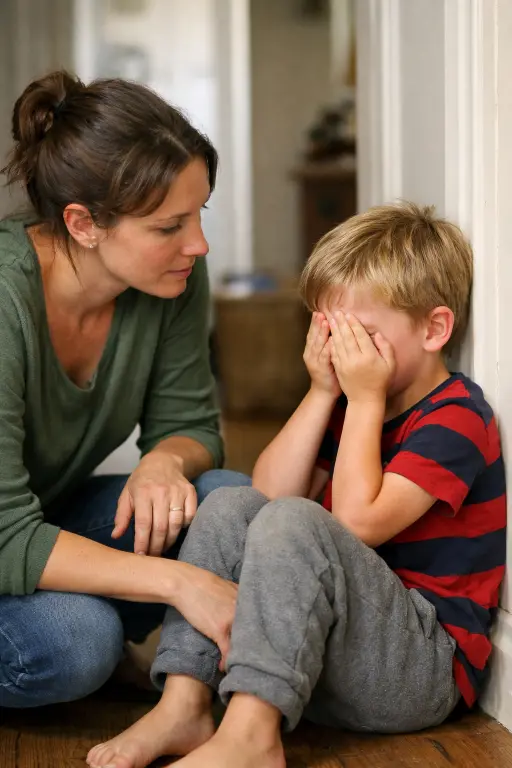
If you are a parent in the US and emotional meltdowns leave you drained or guilty, you are not alone, many families who care deeply about emotional health still feel overwhelmed when a child loses control. Meltdowns can feel sudden and personal, they are not they are moments when a child’s nervous system is overloaded and needs guidance not force. Understanding this changes how you respond and how your child learns to cope.
What a meltdown really is
A meltdown is not misbehavior. It is a stress response. The thinking part of the brain goes offline and the body takes over. Reasoning, lectures or threats cannot work in that state. When adults expect logic during a meltdown, frustration grows on both sides.
Children melt down because emotions move faster than skills. They feel anger, fear, shame, or disappointment without yet knowing how to manage them. This is why coping skills for kids matter so much. They give children a path back to calm.
Why yelling makes things worse
Yelling often comes from exhaustion not cruelty. Stil it sends a message of danger to a child’s nervous system. When a child already feels overwhelmed raised voices increase fear and prolong the meltdown.
Yelling also teaches children that strong emotions should be met with stronger reactions. Over time this pattern repeats. Calm authority breaks that cycle. It shows children that intense feelings can exist without chaos.
The first step stay regulated yourself
The most important tool during a meltdown is the adult’s own regulation. Children borrow calm from adults. If you feel your body tightening, pause before responding.
Take one slow breath
Lower your voice
Slow your movements
You do not need to be perfectly calm you need to be calmer than your child, that difference creates safety.
What to say during a meltdown
Words matter less than tone but simple phrases can help.
I see you are very upset
I am here with you
We will talk when your body feels calmer
Avoid questions or explanations in the peak of emotion, the goal is not understanding, the goal is containment your presence does the work.
Setting limits without punishment
Supporting emotions does not mean allowing harmful behavior, limits are still needed the key is how they are set.
I will not let you hit
You can be angry and still be safe
Say the limit once repeat calmly if needed, do not argue, limits delivered with steadiness help children feel protected not controlled.
This balance is part of a broader system of coping skills for kids that teaches responsibility alongside emotional safety.
Helping the body calm down

Meltdowns are physical experiences. The body needs help returning to balance.
Sit nearby rather than hovering
Offer a drink of water
Suggest squeezing a pillow or holding something soft
Some children need space. Others need closeness. Watch what helps your child settle rather than following rigid rules.
After the meltdown what matters most
The learning happens after calm returns. This is when the brain is open again.
Keep it brief
Talk about what your child felt
Explore what might help next time
You were really angry when the game ended
What could help your body next time
Avoid long discussions. One or two gentle reflections are enough. Over time these conversations build emotional awareness.
Common mistakes to avoid
Many well meaning parents fall into traps during meltdowns.
Explaining too much too soon
Threatening consequences
Shaming language like you are acting like a baby
These responses increase stress and delay learning. Simplicity and calm create better outcomes.
When meltdowns happen in public
Public meltdowns bring extra pressur,. parents worry about judgment and rush to stop the behavior.
Remember that your child’s needs come first. Step aside if possible. Lower your voice. Focus on safety and connection, not appearances.
Children remember how they were treated in vulnerable moments. That memory shapes trust.
Building skills outside meltdown moments

Meltdowns decrease when children have tools before stress hits practice coping skills during calm times.
Name emotions in books and movies
Practice breathing during play
Create predictable routines
These habits lower emotional load and reduce intensity over time.
This work connects naturally with learning coping skills for kids that support emotional balance long term.
When meltdowns are frequent or intense
Some children experience meltdowns more often due to temperament, stress or developmental differences. Frequent meltdowns do not mean poor parenting.
If meltdowns interfere with daily life or last a long time support from a child therapist can help. Therapy teaches both children and parents how to regulate emotions together.
Seeking help is an act of care.
Supporting yourself as a parent
Handling meltdowns is emotionally demanding, parents often carry shame after losing patience. That shame makes the next meltdown harder.
Be kind to yourself repair matters more than perfection, a simple apology teaches accountability and connection.
I should not have raised my voice, i am learning too
These moments strengthen trust rather than weaken it.
calm responses build lasting skills
Meltdowns are part of emotional development, they are not signs of failure. When parents respond with calm authority children learn that emotions are manageable and relationships are safe.
If you want to reduce meltdowns over time the next step is building daily habits that strengthen self regulation. You may find clarity in the guide on emotional regulation skills for kids to use in daily life.