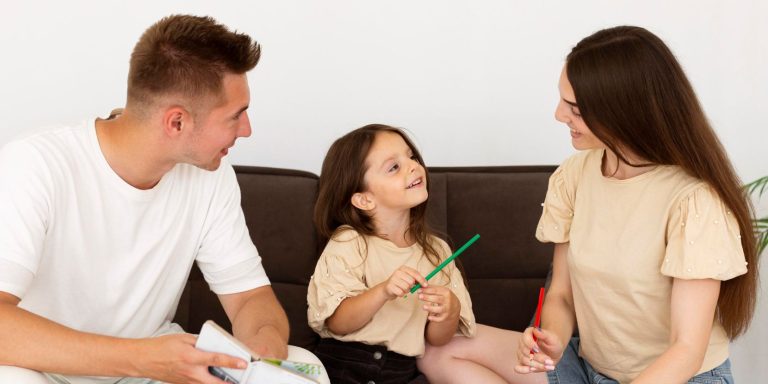
Emotional regulation skills for kids to use in daily life

Many parents I meet are not looking for quick fixes anymore, they want something deeper. If you are raising a child in the US and wondering how to help them manage emotions not just during meltdowns but every day, this is for you. Emotional regulation is not about suppressing feelings. It is about helping children understand their inner world and respond to it with balance. This work grows slowly through daily life not through one big conversation.
Emotional regulation is the ability to notice feelings, tolerate them and choose how to respond. For children, this skill is still under construction. The brain areas responsible for impulse control and reflection mature gradually. That is why children react before they think.
When adults expect instant self control frustration builds. When adults support regulation step by step children learn that emotions are safe and manageable. This mindset is central to coping skills for kids and supports long term emotional health.
Regulation starts with connection not control
Children regulate best when they feel emotionally connected. a child who feels understood is more open to guidance, this does not mean saying yes to everything. It means starting with empathy.
I can see you are upset
That was really hard for you
Connection lowers emotional intensity. Once the nervous system settles, learning becomes possible. Without connection, even the best strategies fail.
Daily routines that support emotional balance
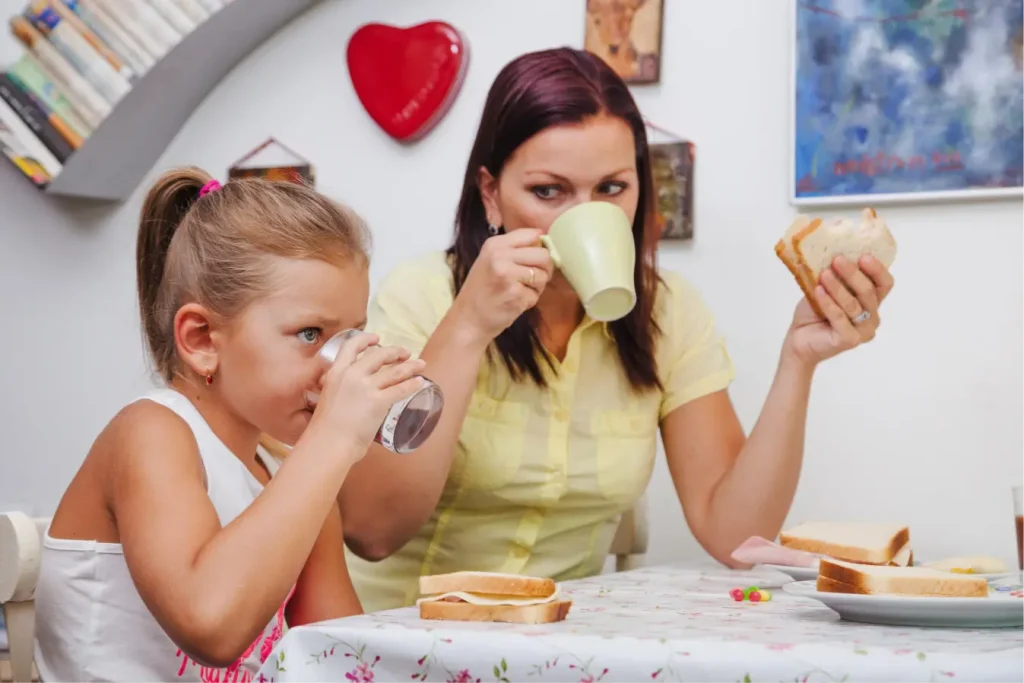
Structure plays a quiet but powerful role in regulation. Predictable routines help children feel secure.
Consistent wake up times
Regular meals and snacks
Clear transitions between activities
When the body feels safe, emotions feel less overwhelming. Many emotional outbursts are rooted in hunger, fatigue or sudden change. Routines reduce these hidden stressors.
This foundation makes coping skills easier to access when emotions rise.
Teaching children to notice their inner signals
Emotions show up in the body before they show up in behavior. Helping children notice body signals builds early awareness.
Ask gentle questions during calm moments
What does your body feel like when you get nervous
Do your shoulders feel tight when you are angry
Over time children learn to catch emotions earlier. This early awareness allows them to choose regulation strategies before emotions explode.
Small practices that build regulation over time
Regulation is built through repetition, not lectures. Short daily practices are more effective than long discussions.

Breathing together before bedtime
Stretching after school
Quiet moments of drawing or reading
These moments teach the nervous system how calm feels. Calm becomes familiar. Familiar calm is easier to return to during stress.
Modeling emotional regulation as a parent
Children learn regulation by watching adults. When parents name their own emotions and responses, children absorb those patterns.
I feel frustrated so I’m taking a breath
I need a minute before I answer
This modeling normalizes emotions and shows that regulation is a skill, not a personality trait. Parents do not need to be perfect. They need to be real and reflective.
Supporting regulation during challenging moments
Daily life is full of emotional challenges. Siblings argue. Plans change. Mistakes happen. These moments are opportunities for learning.
Stay close rather than distant
Offer choices when possible
Keep language simple
You can choose to take a break or ask for help
Choices restore a sense of control. Control reduces emotional intensity.
These approaches align with coping skills for kids that focus on empowerment rather than fear.
Emotional regulation at school and outside the home
Many parents worry about how their child manages emotions at school. While parents cannot control every environment, they can build skills that travel.
Practice role playing situations
What could you do if you feel overwhelmed in class
Teach children how to ask for help and take short breaks when allowed. These skills increase confidence and reduce emotional overload in public settings.
When emotions feel bigger than expected
Some children experience emotions more intensely due to temperament, stress, or life changes. Big emotions do not mean something is wrong. They mean a child needs more support.
If emotions interfere with daily life or relationships, professional support can help. Therapy offers children tools and language for regulation while supporting parents in the process.
Seeking help is a strength, not a failure.
Helping regulation grow with age
Emotional regulation changes as children grow. What works at five will not look the same at ten. Flexibility matters.
Younger children need physical support and presence
Older children benefit from reflection and problem solving
Stay curious about your child’s needs rather than locked into one method. Growth is not linear.
Supporting yourself while supporting your child
Parents often forget their own regulation matters too. Chronic stress makes it harder to respond calmly.
Notice your limits
Take breaks when possible
Seek connection with other parents
A regulated parent is a powerful model. Caring for yourself supports your child more than you may realize.
Regulation is built through relationship
At its core, emotional regulation is relational. Children learn how to manage emotions through repeated experiences of being understood, guided, and supported
there will be setbacks there will be hard days. Progress shows up in small shifts, not dramatic change
Skills that grow with your child
Emotional regulation is not a destination. It is a lifelong process that begins in childhood. When parents focus on daily habits, connection and modeling. children gain skills that support them far beyond childhood.
If daily regulation feels challenging, returning to concrete tools can help. You may find support in the guide on coping skills for kids with big emotions that actually work, which offers practical strategies to reinforce these foundations.