Emotional maturity in a couple
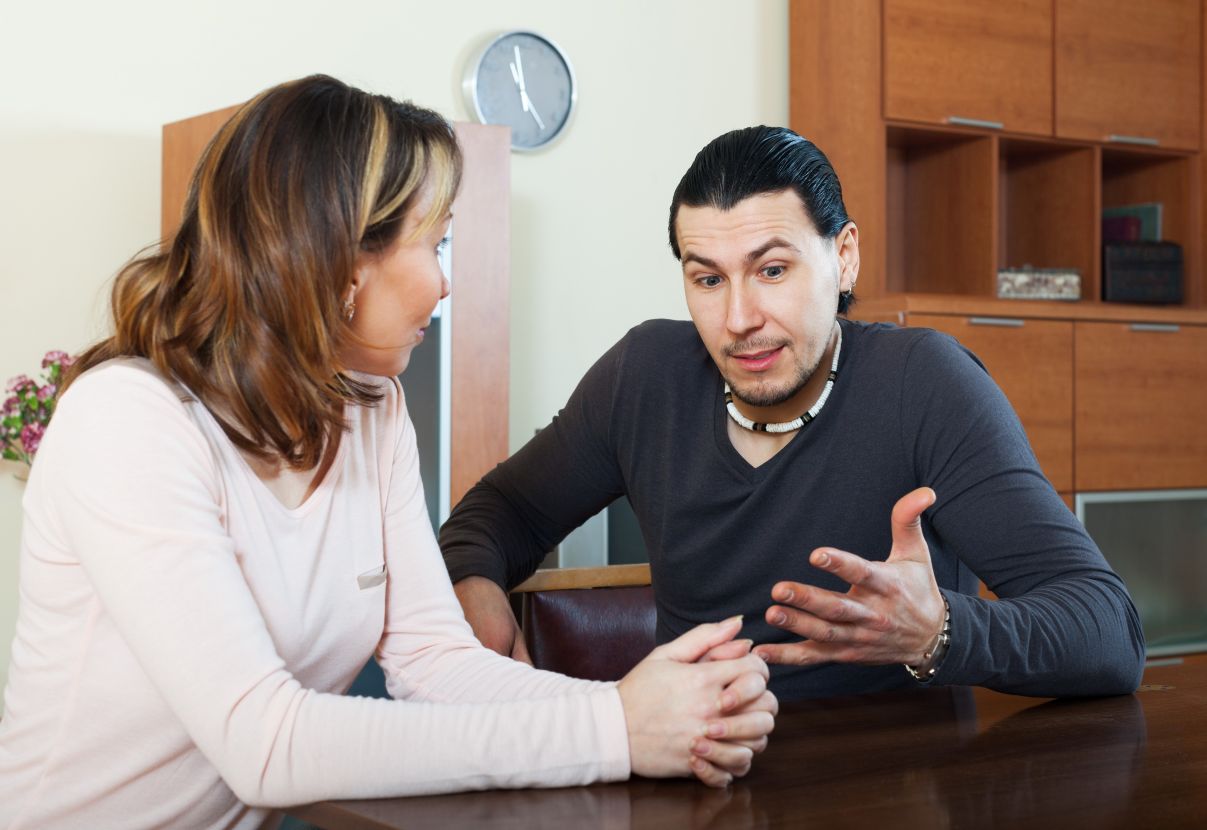
Being in a relationship means bringing together two different emotional worlds. It is not always easy to balance the needs, fears, and expectations of two people growing side by side. In moments of tension, emotional maturity in a couple becomes the key to a stable and fulfilling relationship. It is not the number of years spent together that guarantees harmony, but each partner’s ability to step back, express emotions without hurting, and listen without becoming defensive.
Emotional maturity in a couple is not built overnight. It develops through everyday details: a respectful silence, a reassuring word, a helping hand when the other feels overwhelmed. These small, consistent gestures form the foundation of a calm and solid relationship.
Recognizing and expressing emotions without blaming
One of the biggest challenges in a relationship is expressing how you feel without placing blame on your partner. Phrases like “you never listen to me” or “you make me sad” often shut down communication before it truly begins.
An emotionally mature person takes responsibility for their feelings: “I feel sad when I don’t feel your presence” or “I need more attention during these moments.” This way of communicating does not put the other person on the defensive. Instead, it opens the door to dialogue and understanding.
In my work with couples, I have often seen how a simple shift in emotional expression can deeply transform communication. The focus moves away from finding someone to blame and toward understanding each other.
Understanding before trying to be right
Long-lasting relationships are built on understanding rather than winning arguments. When each partner tries to prove they are right, the relationship slowly weakens with every conflict. Emotional maturity in a couple means listening sincerely and trying to understand your partner’s feelings before defending your own point of view.
Understanding does not always mean agreeing. It means recognizing your partner’s emotional experience as valid. This mutual respect reduces tension and strengthens trust.
A strong couple is not one that never argues, but one that knows how to return to dialogue after the storm.
The importance of vulnerability
Many people believe that being strong means hiding vulnerability. In reality, emotional maturity in a couple involves the ability to be vulnerable. Saying “I’m afraid of losing you” or “I need you” is not a sign of weakness; it is a sign of trust.
Vulnerability creates deep connection. It turns the relationship into a safe space where both partners can be themselves without masks. Couples who communicate with emotional honesty build a more intimate and lasting bond.
Managing disagreements with kindness
Tension is part of any shared life. The goal is not to avoid conflict, but to handle it with respect. Emotionally mature communication does not aim to win, but to find common ground.
During conflict, it helps to remember that words leave lasting marks. Speaking in the heat of the moment often causes unnecessary wounds. Taking time to calm down, breathe, and return to the conversation later prevents many regrets.
Couples who adopt this habit develop greater stability. They learn how to disagree without destroying each other.
Maintaining a healthy personal identity
Love does not mean fusion. A lasting relationship is built on two complete individuals who choose to share their lives, not on two halves trying to complete each other.
Emotional maturity in a couple means preserving personal space, passions, and friendships. This balance prevents emotional dependency and nurtures personal growth.
When both partners feel free to exist without fear of losing the other, the relationship flows more naturally. Love becomes a choice, not a necessity.
Empathy as the central pillar of the relationship
Empathy means feeling with your partner, not against yourself. It is the ability to recognize your partner’s pain, joy, or fear, even when you do not share it. It requires stepping outside your own perspective to meet the other with respect.
A simple gesture or a word of encouragement can ease days of frustration. Sometimes, silent presence speaks louder than long explanations. Empathy nourishes tenderness and creates emotional safety that protects the relationship over time.
Growing together
Emotional maturity in a couple is not a final destination but an ongoing journey. It grows day by day through shared conversations and meaningful silences. It is a mutual learning process where each partner helps the other become more authentic, calm, and self aware.
When two partners choose to grow together rather than compete, they build a rare intimacy. Love becomes a space for mutual evolution instead of a battlefield.
Learning to love with maturity is also learning to love yourself differently. It means choosing gentleness without fearing weakness, and honesty without fearing rejection.
To discover how this maturity influences health, wellbeing, and inner peace, I invite you to explore the lasting benefits of emotional maturity an essential step in sustaining personal and relational growth: How to develop emotional maturity in everyday life?