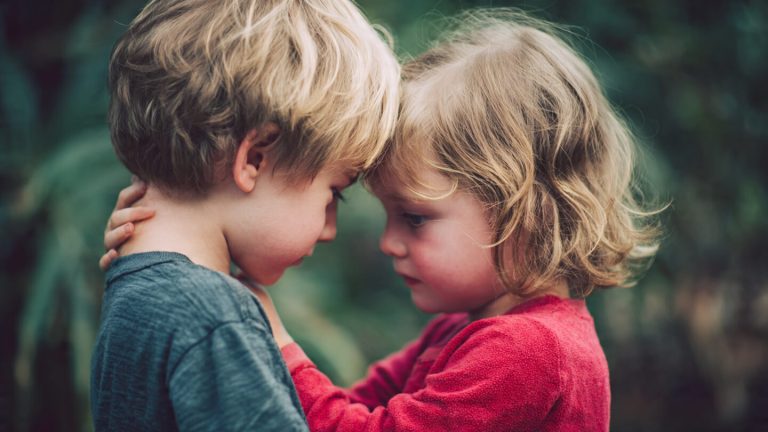
Can cooperation and teamwork develop social skills in children ?
I am Larbi. I am fifty five years old with a bachelor’s degree in education. I have spent several years coaching families on child development and social learning.
Cooperation and teamwork are central to successful relationships, school experiences, and group activities. Children who develop these skills learn to communicate effectively, manage conflicts, and contribute positively to collective goals.
Learning cooperation is a gradual process. It requires practice in sharing, negotiating, and understanding others’ perspectives. Play, group projects, and everyday routines offer opportunities to practice these skills. Parents and caregivers guide children by modeling collaborative behavior, providing feedback, and facilitating experiences that promote teamwork.
This article explores key aspects of cooperation and teamwork, how they develop, and practical strategies families can use to support children at home and in social settings.
What is cooperation ?
Cooperation involves working with others toward a shared goal. It requires listening, sharing, taking turns, and respecting different ideas. Children develop these abilities through guided practice and repeated exposure to group tasks.
Benefits of cooperation
Children who learn to cooperate build stronger friendships, develop empathy, and improve problem-solving skills. Cooperative behaviors also enhance academic performance, as children practice collaboration in classroom activities and projects.
Early signs of cooperation
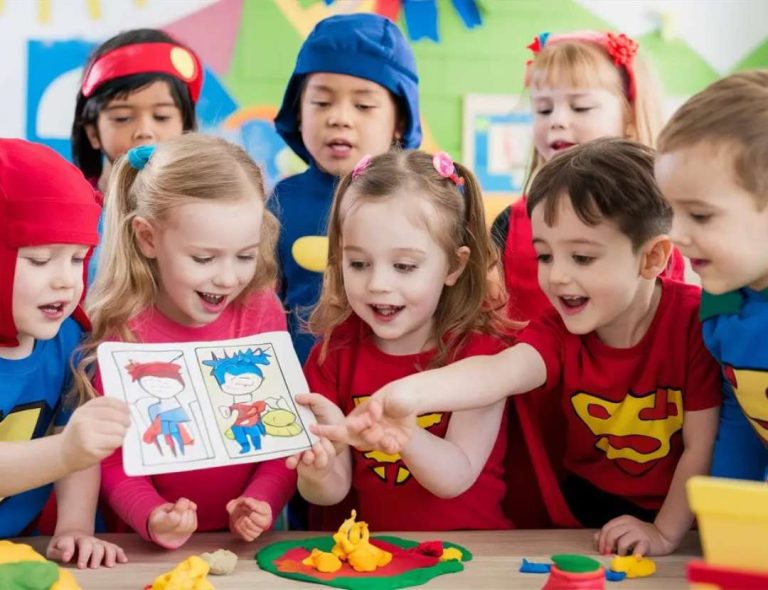
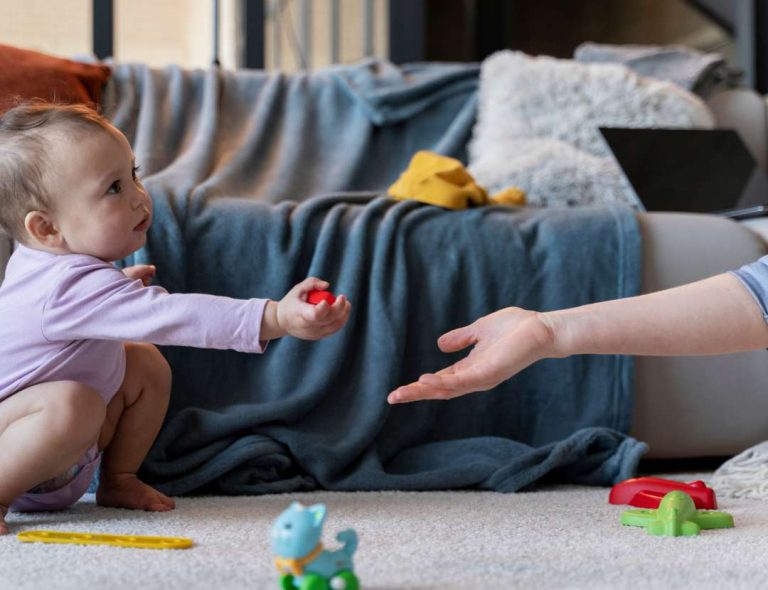
Toddlers may begin by sharing toys or following simple rules in play. Preschoolers show more advanced cooperation by negotiating roles in games, collaborating on creative projects, and helping peers achieve goals. Recognizing these stages helps parents provide age-appropriate support.
Teamwork in play
Cooperative games
Games that require working together naturally teach teamwork. Board games, team challenges, or building activities help children negotiate roles, follow rules, and celebrate group achievements.
Role of pretend play
Pretend play offers children a chance to practice collaboration and problem solving. Acting out scenarios, sharing roles, and building narratives require children to communicate, compromise and coordinate efforts.
Balancing leadership and participation
Teamwork involves both leading and following. Children benefit from experiences where they take turns leading projects or games and supporting peers’ ideas. This balance fosters confidence, flexibility, and respect.
Communication for teamwork
Clear expression
Children need to articulate ideas clearly to contribute to group goals. Practicing verbal communication, asking questions, and sharing opinions in supportive settings strengthens teamwork skills.
Listening and understanding
Effective teamwork requires listening attentively to peers. Children learn to interpret verbal and nonverbal cues, validate others’ ideas, and respond constructively. Family activities and playdates provide natural opportunities for these skills.
Encouraging dialogue
Parents can model respectful conversation, facilitate discussions, and prompt children to explain their reasoning. Open-ended questions and reflective comments encourage thoughtful participation.
Conflict resolution in teams
Recognizing conflicts
Conflict arises naturally when working with others. Children need guidance to manage disagreements constructively. Early experiences help develop patience, negotiation skills, and empathy.
Strategies for children
Teaching children to use “I” statements, propose solutions, and compromise supports healthy problem solving. Group games and collaborative projects are opportunities to practice these techniques.
Adult support
Parents and caregivers guide conflict resolution by modeling calm, fair responses, mediating disputes, and encouraging reflection on outcomes. Supportive guidance helps children internalize positive conflict management behaviors.
Building empathy in teams
Perspective taking
Understanding teammates perspectives strengthens collaboration. Children learn to consider others ideas, feelings and needs during group activities.
Practicing compassion
Teamwork encourages children to support peers, celebrate achievements, and provide help when needed. Empathy enhances trust and strengthens group cohesion.
Encouraging reflection
After collaborative activities, parents can ask children about challenges, successes, and how teammates felt. Reflection reinforces understanding of social dynamics and improves future cooperation.
Applying cooperation and teamwork daily
home activities
Family routines such as cooking, cleaning, or organizing toys provide opportunities for cooperative problem solving. Assigning tasks, taking turns, and celebrating shared accomplishments integrate teamwork naturally into daily life.
School and community
Team projects, sports, and group activities in school or community settings offer practice in larger social contexts. Children transfer skills learned at home to new environments.
Encouraging consistency
Frequent opportunities for collaboration, guidance, and reflection strengthen cooperation over time. Parents balance independence with support, allowing children to develop confidence and initiative in teams.
For practical examples of encouraging social growth through daily activities, families can explore building confidence and social initiative in children to see strategies for fostering teamwork and cooperation in real-life settings