Conflict resolution: How can I help children navigate disagreements ?
I am Larbi. I am fifty five years old with a bachelor’s degree in education. I have spent several years coaching families on child development and social skills.
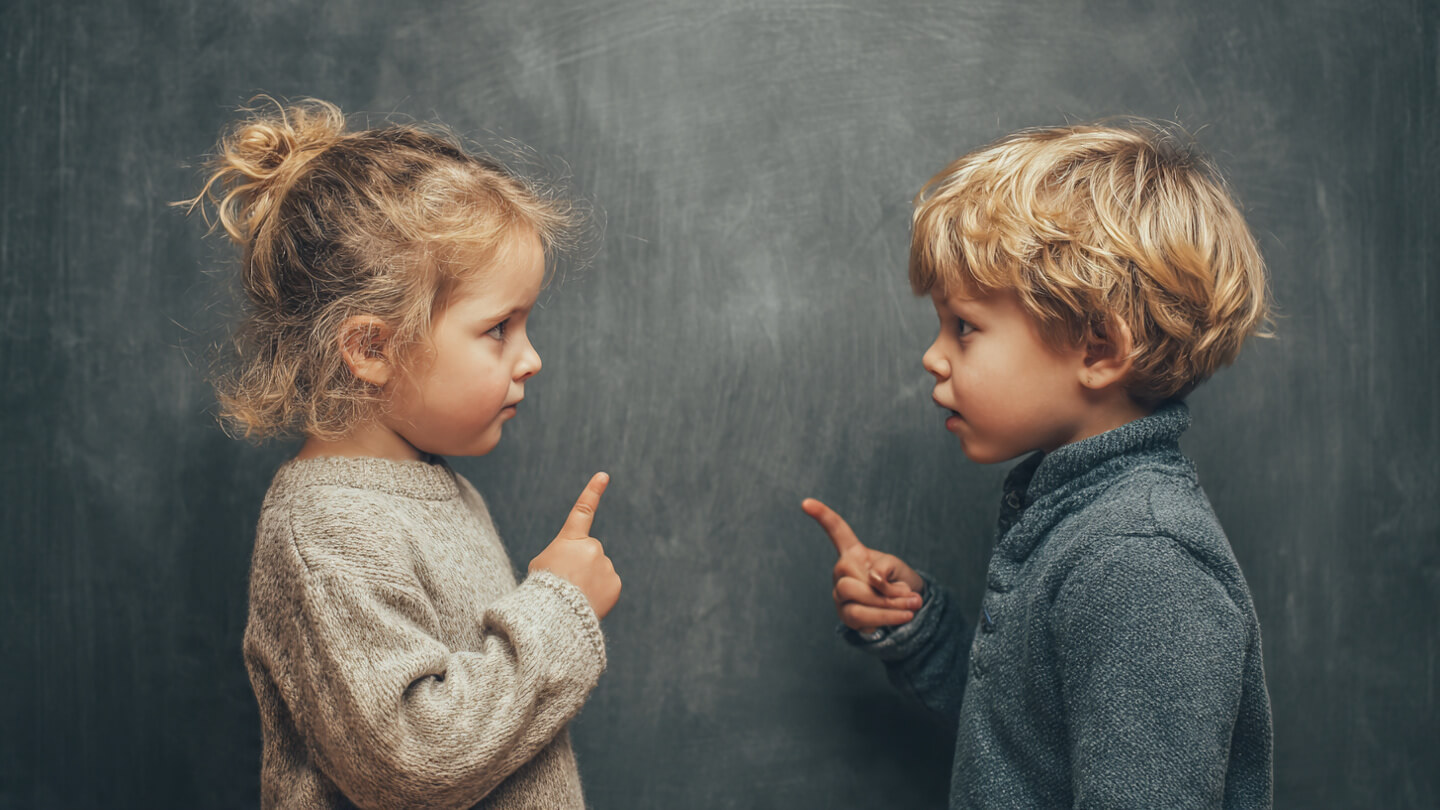
Conflict resolution is a critical social skill that allows children to manage disagreements with peers, siblings, and adults. Learning to address disputes respectfully and constructively fosters empathy, cooperation, and emotional regulation.
Children encounter conflict daily in play, school, and family life. Each situation provides an opportunity to practice communication, perspective taking, and problem-solving. Parents and caregivers guide this learning by modeling calm responses, facilitating discussion, and encouraging children to consider solutions.
Supporting conflict resolution equips children with tools for healthy relationships, reduced frustration, and increased social competence. This article explores strategies, techniques, and practical ways to help children navigate disagreements effectively.
Understanding conflict
Recognizing disagreements
Children must first understand what conflict is. Conflicts can be overt, such as arguments over toys, or subtle, like misunderstandings in group projects. Awareness of these situations is the first step toward resolution.
Why conflict is important
Experiencing conflict provides learning opportunities. Children practice negotiation, communication, and emotional control. Constructive conflict strengthens relationships and prepares children for social challenges beyond childhood.
Types of conflict
Conflicts can arise from differing opinions, competition for resources, or misunderstandings. Identifying the type of conflict helps parents guide children toward appropriate resolution strategies.
Early signs of conflict
Toddlers may display frustration or crying when needs are unmet. Older children may argue, withdraw, or show passive aggression. Recognizing these signs allows parents to intervene and teach constructive responses.
Teaching communication during conflict
Expressing needs clearly
Children need to learn to state feelings and needs respectfully. Using “I feel” statements helps children communicate without blame. Parents can model language for expressing frustration and desires.
Listening skills
Active listening is crucial in resolving conflicts. Children benefit from focusing on the other person’s words, asking questions for clarification, and acknowledging feelings. Role-playing exercises strengthen listening abilities.
Modeling respectful dialogue
Parents demonstrate calm tone, appropriate body language, and attentive listening. Children observe these behaviors and practice incorporating them into their own interactions.
Encouraging reflection
After conflicts, asking children how they felt and what they could do differently promotes self-awareness and better communication in the future.
Problem-solving strategies
Brainstorming solutions
Children can be guided to generate multiple solutions to disagreements. Encouraging creativity and collaboration helps them find mutually acceptable outcomes.
Compromise and negotiation
Negotiation teaches children to balance their needs with others’. Practicing turn-taking, concessions, and agreements builds flexibility and fairness.
Using structured games
Games with rules, board games, or team challenges provide safe contexts to practice problem-solving. Adults facilitate reflection on decisions, outcomes, and feelings during play.
Reinforcing positive outcomes
Acknowledging successful conflict resolution reinforces behavior. Praise for effort, cooperation, and thoughtful solutions encourages continued practice.
Emotional regulation during conflict
Recognizing emotions
Children need to identify anger, frustration, or disappointment before responding. Awareness allows for intentional, rather than impulsive, actions.
Techniques for managing reactions
Breathing exercises, counting, or stepping away momentarily help children manage strong emotions. Repetition and guidance enable internalization of these strategies.
Adult support
Parents guide children through challenging moments by modeling calm responses, validating feelings, and suggesting strategies. Supportive intervention teaches constructive coping skills.
Daily practice
Everyday disagreements provide natural practice for emotional regulation. Parents can prompt reflection and reinforce positive handling of situations.
Encouraging empathy during conflict
Perspective taking
Understanding the other person’s viewpoint fosters empathy and cooperation. Children practice imagining how others feel and adjusting behavior accordingly.
Responding with care
Encouraging children to apologize, offer help, or acknowledge feelings strengthens relationships. Compassionate responses promote lasting social skills.
Reflective discussions
After conflicts, discussing what worked well and what could improve helps children internalize lessons and apply them in future situations.
For families looking to support empathy and emotional understanding alongside conflict resolution, the satellite article on empathy and emotional understanding offers strategies to strengthen perspective taking and caring responses.
Integrating conflict resolution in daily life
Home and family activities
Routine interactions such as sharing tasks, playing games, or cooperative chores provide repeated practice for resolving disagreements. Parents can guide, observe, and provide feedback naturally.
School and community contexts
Classroom projects, sports, and community activities offer broader social environments to apply conflict resolution skills. Children transfer lessons learned at home to new settings.
Encouraging consistency and reflection
Consistent practice, gentle guidance, and reflective discussion strengthen conflict resolution abilities over time. Parents balance independence with support to build confidence and social competence.
For additional practical guidance, families can explore cooperation and teamwork to see how collaboration skills support effective conflict resolution and positive peer interactions.