Big emotions in children what’s normal and why it happens
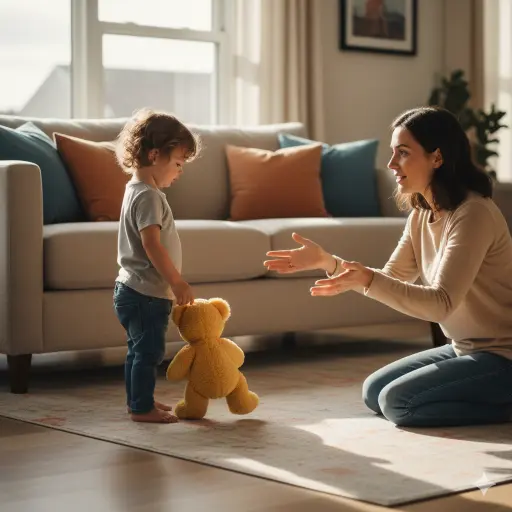
Many parents in the US worry when their child’s emotions feel too strong tears seem endless, anger comes fast. small problems turn into big reactions. If this sounds familiar you are not failing as a parent. You are watching a developing brain learn how to handle a complex emotional world, big emotions are not a sign of weakness They are a sign of growth.
As a former teacher and therapist I have seen how much relief parents feel when they understand what is normal. Understanding emotions does not make challenges disappear but it changes how you respond. That response shapes how children learn to cope.
What we mean by big emotions
Big emotions are intense emotional reactions that feel overwhelming to the child. Anger, sadness, fear, excitement and frustration can all show up strongly. Children feel these emotions in their whole body their heart races their muscles tense, their thoughts scatter.
Adults often forget that children experience emotions without the same filters adults have. The brain systems that slow reactions and add perspective are still developing. This gap explains why emotions feel sudden and dramatic.
This understanding sits at the heart of helping children manage big emotions through coping skills for kids that respect development rather than fight it.
Why children feel emotions so intensely
A child’s brain develops from the bottom up. The emotional center matures before the reasoning center. This means children feel deeply before they can think calmly.
Stress, hunger, fatigue, and change amplify emotions. A long school day or a missed snack can lower emotional tolerance. When tolerance drops, reactions grow.
Children are also learning social rules, language, and self identity all at once. That learning load is heavy. Big emotions are often the brain’s way of saying this is a lot for me.
Age matters more than personality
Parents sometimes worry that their child is overly sensitive. In reality, emotional expression often reflects age more than personality.
Toddlers react physically because language is limited
Preschoolers test limits as autonomy grows
School age children struggle with comparison and fairness
These stages are temporary, emotional maturity grows with time and support, expecting adult level control too early creates frustration.
Understanding developmental stages allows parents to choose coping skills for kids that match real abilities rather than expectations.
The role of the nervous system
Big emotions are nervous system responses, when the body senses threat or overload it moves into fight flight or freeze, logic shuts down. Safety becomes the priority.
This is why reasoning during emotional peaks rarely works. The body must calm before the mind can engage. Regulation starts with safety not explanation.
Parents who recognize this shift stop trying to fix emotions and start supporting recovery.
Why suppressing emotions backfires
Many adults were taught to hide feelings. That approach does not help children learn regulation. Suppressed emotions often resurface later with more intensity.
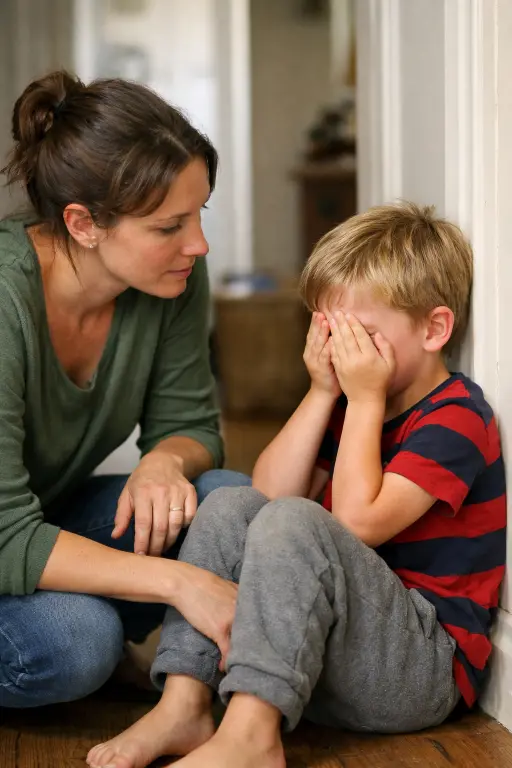
When children are told to stop crying or calm down without guidance, they learn that emotions are unacceptable. This creates confusion and shame.
A healthier approach is to allow emotions while guiding behavior. You can accept feelings without accepting harmful actions.
This balance prepares children to use coping skills for kids that support expression and self control together.
How parents influence emotional development
Children learn emotional patterns through relationships. A calm adult response teaches the nervous system that emotions are safe.
This does not mean parents must stay calm at all times. It means repair matters. Apologies and reconnection after conflict build trust.
I lost my patience earlier. I am working on that
These moments teach accountability and emotional honesty.
What is normal and what deserves attention
Frequent big emotions are normal in early childhood. Emotions become more manageable with age. Still, some signs suggest extra support may help.
Emotions that last very long
Reactions that interfere with daily life
Aggression that does not decrease over time
Support from a child therapist can offer clarity and tools. Seeking help is an extension of care, not a label.
Helping children feel safe with emotions
Children need permission to feel. Simple validation helps.
That was really hard
You feel disappointed
Validation does not mean agreement. It means recognition. Recognition reduces intensity and opens the door to learning.
This foundation makes coping skills more effective because children feel understood before being guided.
Building understanding before teaching skills
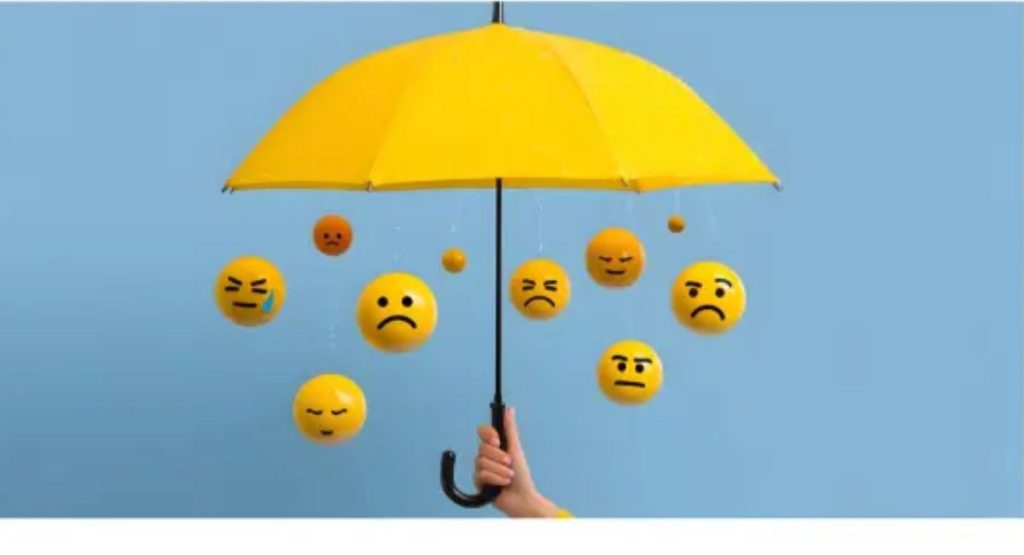
Before teaching strategies,children need emotional literacy. Naming emotions builds awareness. Awareness builds choice.
Books, play, and everyday conversations offer chances to explore feelings without pressure. Over time children learn that emotions come and go.
This understanding supports later work with coping skills for kids by giving context and meaning.
Parents need understanding too
Many parents carry emotional patterns from their own childhood. Big emotions in children can trigger fear or frustration rooted in the past.
Noticing your own reactions helps break cycles. You do not need to fix everything at once. Awareness is the first step.
Supporting your own regulation supports your child’s regulation.
Big emotions are part of healthy growth
Big emotions are not obstacles to development. They are part of it, children who feel deeply can learn to regulate deeply with the right support.
When parents shift from control to guidance, emotions become opportunities rather than threats.
understanding comes before change
When parents understand why big emotions happen they respond with patience instead of fear. That response teaches children that emotions are manageable and relationships are safe.
Once understanding is in place practical tools become more effective. You may want to explore coping skills for kids with big emotions that actually work to support your child with concrete strategies that build on this foundation.