Baby physical milestones: First year development (0-12 Months)
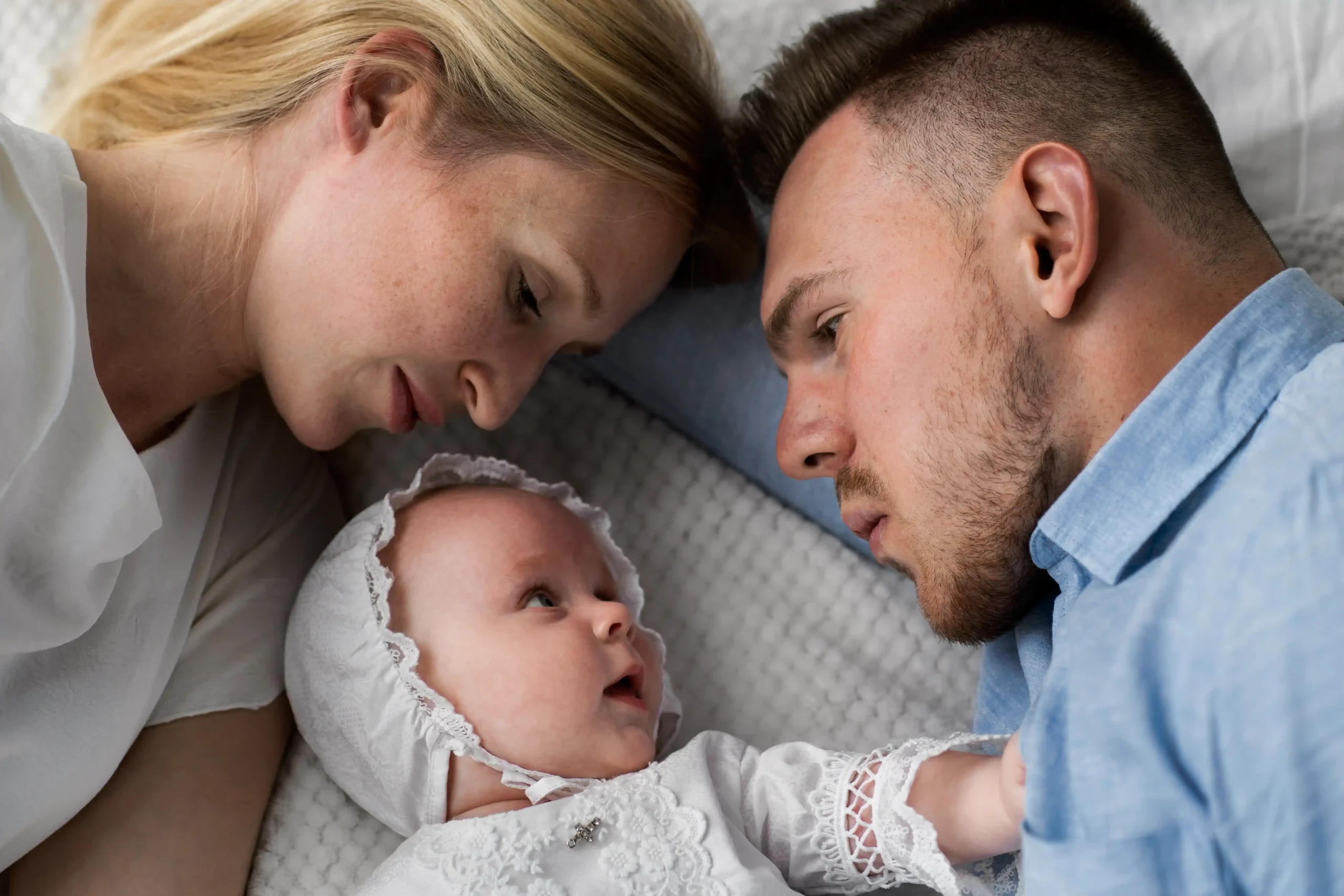
Your baby’s first year brings astonishing physical changes from a newborn who can barely lift their head to a mobile explorer pulling up to stand. These twelve months contain more rapid motor development than any other life period. Tracking rolling, sitting, crawling, and early walking helps you understand your infant’s progress while celebrating each achievement. These physical accomplishments connect to other growth areas, creating a comprehensive picture of infant development that supports your confidence as you navigate this remarkable year
Remember when you brought your baby home from the hospital? That tiny bundle who couldn’t even hold their head up steady. Fast forward twelve months and you’re probably chasing a determined crawler or maybe even watching those first wobbly steps. The physical transformation during a baby’s first year is nothing short of extraordinary.
As someone who has spent years studying child development and working with new parents, I can tell you that these early motor milestones tell us so much about how your baby’s brain and body are connecting. But here’s what I want you to know right from the start: there’s a wide range of normal. Your neighbor’s baby might roll at three months while yours waits until five. Both are perfectly fine.
The first three months: Building core strength
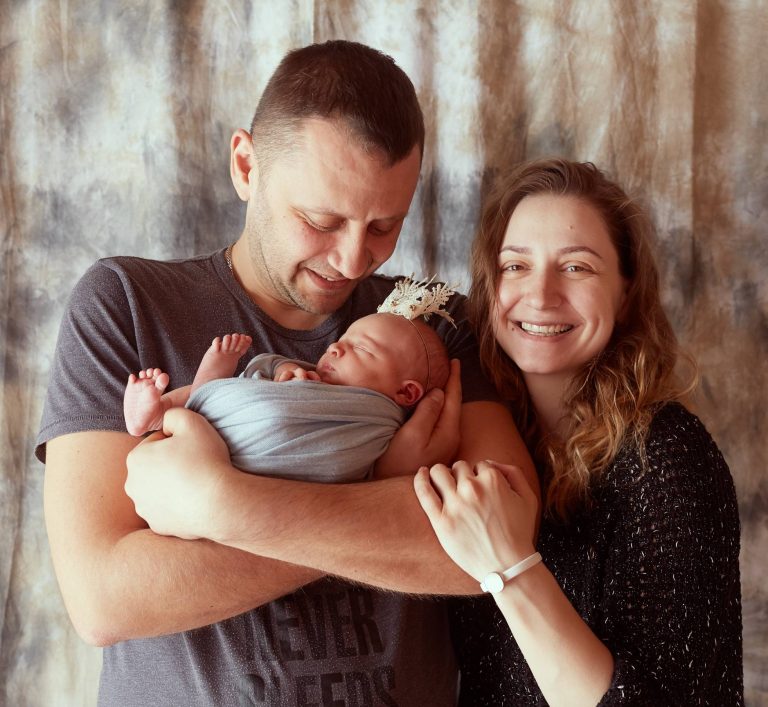
Those early weeks can feel like a blur of feeding and diaper changes. But your newborn is already working on crucial physical skills. In the first month, babies typically can’t do much more than make jerky arm movements and turn their head from side to side when lying on their stomach. Their neck muscles are weak and they need full head support.
By six to eight weeks, something magical happens during tummy time. You might catch your baby lifting their head for a few seconds. It’s brief but it’s the beginning of everything. This simple movement builds the foundation for rolling, sitting, and eventually walking.
Around three months, most babies can hold their head steady when you hold them upright. They start bringing their hands together and might even swipe at toys dangling above them. Their leg kicks become stronger and more purposeful. You’ll notice they can push down on their legs when their feet touch a hard surface.
Four to six months: The rolling revolution
This is when things get interesting. Between four and six months, many babies figure out how to roll from tummy to back. Some do it accidentally the first time and surprise themselves. The back-to-tummy roll usually comes a bit later, around five to six months, because it requires more coordination and strength.
Sitting becomes the next frontier. Around four months, babies can sit with support. By six months, many can sit independently for short periods, though they might topple over like little bowling pins. Their balance isn’t perfect yet but they’re working on it every single day.
Hand skills also advance rapidly during this period. Your baby starts reaching for objects with more accuracy. They can grasp toys and transfer them from one hand to another. Everything goes into their mouth because that’s how babies explore texture and shape at this age.
Seven to nine months: Mobile and motivated
Get ready because your baby is about to become mobile. Most babies start crawling somewhere between seven and ten months, though the style varies widely. Some do the classic hands-and-knees crawl. Others scoot on their bottoms. Some do a commando army crawl. A few skip crawling entirely and go straight to pulling up and cruising.
Around eight months, many babies can sit steadily without support. They can pivot while sitting to reach toys behind them. This new perspective on the world changes everything. They can play with both hands while sitting, which opens up new learning opportunities.
Pulling to stand usually happens around eight or nine months. You’ll find your baby grabbing onto furniture, your leg, or anything stable to haul themselves up. Those little legs are getting stronger by the day. Once they’re up, they often don’t know how to get back down gracefully and might cry for help or just plop down hard.
Ten to twelve months: The almost-walker
The last quarter of the first year brings even more exciting changes. Babies who can pull to stand start cruising along furniture. They sidestep while holding onto the couch or coffee table, building the balance and coordination needed for independent walking.
Some babies take their first independent steps before their first birthday. Others wait until thirteen or fourteen months. Both timelines are completely normal. Walking is a huge milestone that requires multiple systems working together: balance, strength, coordination, and confidence.
Fine motor skills also refine during these months. Your baby develops the pincer grasp, using thumb and forefinger to pick up small objects. This skill makes self-feeding much easier. They can pick up small pieces of food and get them into their mouth with increasing accuracy.
By twelve months, many babies can stand alone for a few seconds. They might take a step or two before plopping down. They can clap their hands, wave goodbye, and point at things they want. These gestures show how physical and social development intertwine.
Supporting physical development without pushing
Here’s my advice after working with countless families: give your baby plenty of opportunity for movement but resist the urge to force milestones. Tummy time is crucial from the early weeks. Start with just a few minutes several times a day and gradually increase as your baby gets stronger.
Create a safe space where your baby can move freely. Too much time in car seats, swings, or bouncy chairs limits movement opportunities. Babies need floor time to practice their emerging skills. A simple blanket on the floor works perfectly.
Avoid walkers with wheels. Research shows they can actually delay walking and pose safety risks. Instead, push toys or activity tables give babies something to hold onto while practicing standing and cruising.
When to talk with your pediatrician
Most babies follow these general patterns but with plenty of individual variation. However, certain signs do warrant a conversation with your doctor. If your baby isn’t bearing any weight on their legs by six months, can’t sit with support by eight months, or shows very stiff or very floppy muscle tone, mention it at your next checkup.
Similarly, if your baby loses skills they previously had or shows a strong preference for one side of their body, these patterns deserve attention. Trust your instincts. You know your baby best.
The big picture
Physical milestones during the first year are impressive to watch. Each new skill builds on the previous one, creating a beautiful progression from helpless newborn to mobile explorer. But remember that physical development doesn’t happen in isolation. As your baby gains motor skills, their cognitive abilities and emotional understanding grow too.
Understanding how babies develop emotionally during this same period helps you see the complete picture of your child’s growth. The confidence they gain from mastering physical skills influences how they approach new challenges in other areas.
Your baby’s first year passes in a blink. Celebrate each milestone but don’t stress about the timeline. Every baby has their own pace and that’s exactly as it should be.