Developing empathy in children: How families in the U.S. and Canada can foster this essential skill
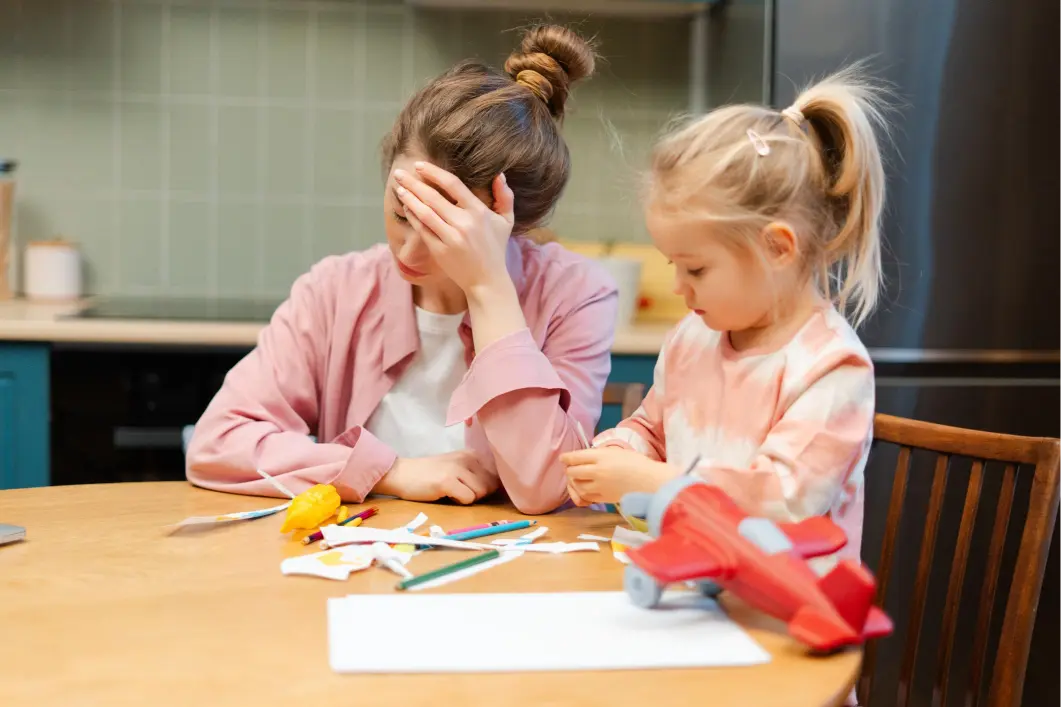
Empathy is a core skill for children’s emotional and social well being. It allows them not only to understand and share the feelings of others, but also to build strong, healthy relationships. As parents work to teach values such as kindness, cooperation, and tolerance, empathy becomes the foundation on which those values are built.
Developing empathy in a child does not happen overnight. It is a gradual process that grows over time through everyday interactions and life experiences. But how can parents encourage this skill? How can families guide their children in learning empathy in a natural and effective way? In this article, we explore the different stages of empathy development and practical strategies families can use to nurture this key ability.
Introduction to empathy development in children
Empathy is more than simply recognizing that someone is sad or happy. It involves a deeper ability to feel what another person is experiencing, to see things from their perspective, and to respond with care.
From a very young age, children begin observing and reacting to the emotions around them. Empathy develops progressively, and each stage of childhood offers new opportunities to strengthen this skill.
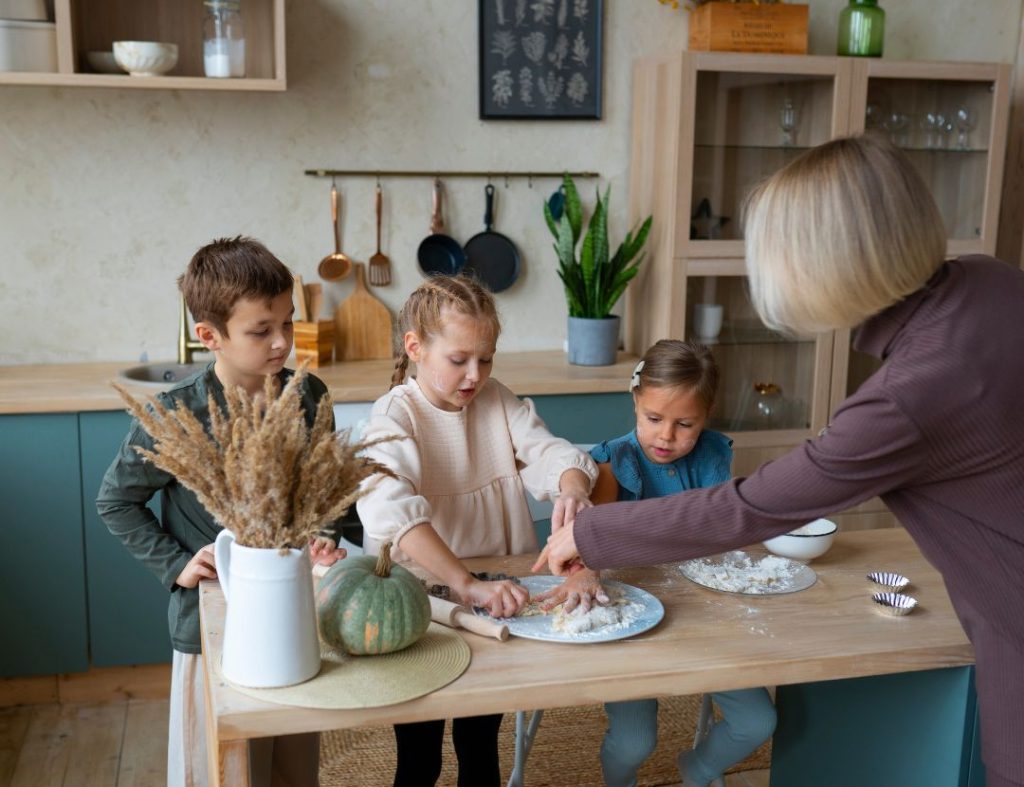
Why is it so important? Because empathy plays a crucial role in building social connections, supporting academic success, and helping children adapt emotionally. A child who can see things from another person’s point of view is better able to manage conflicts, understand complex situations, and act with compassion.
The early years are especially important. Interactions with parents, family members, and peers deeply shape how children understand emotions and learn to respond to them.
Parents are powerful role models in this process. Through their own behaviors, reactions, and attitudes, they teach children how to manage emotions and how to understand others’ feelings. Moments of empathy such as comforting a sad child or supporting a friend in need are ideal learning opportunities.
In this first section, we explore the foundations of empathy and why developing it from an early age is essential. Once integrated, empathy becomes a major asset in building a balanced personality and positive social relationships.
Key stages of empathy development in children
Empathy does not develop in a straight line. It evolves with age, emotional maturity, and social experiences. Understanding these stages helps parents adjust expectations and respond appropriately. A child who does not react like an adult is not lacking empathy they are learning.
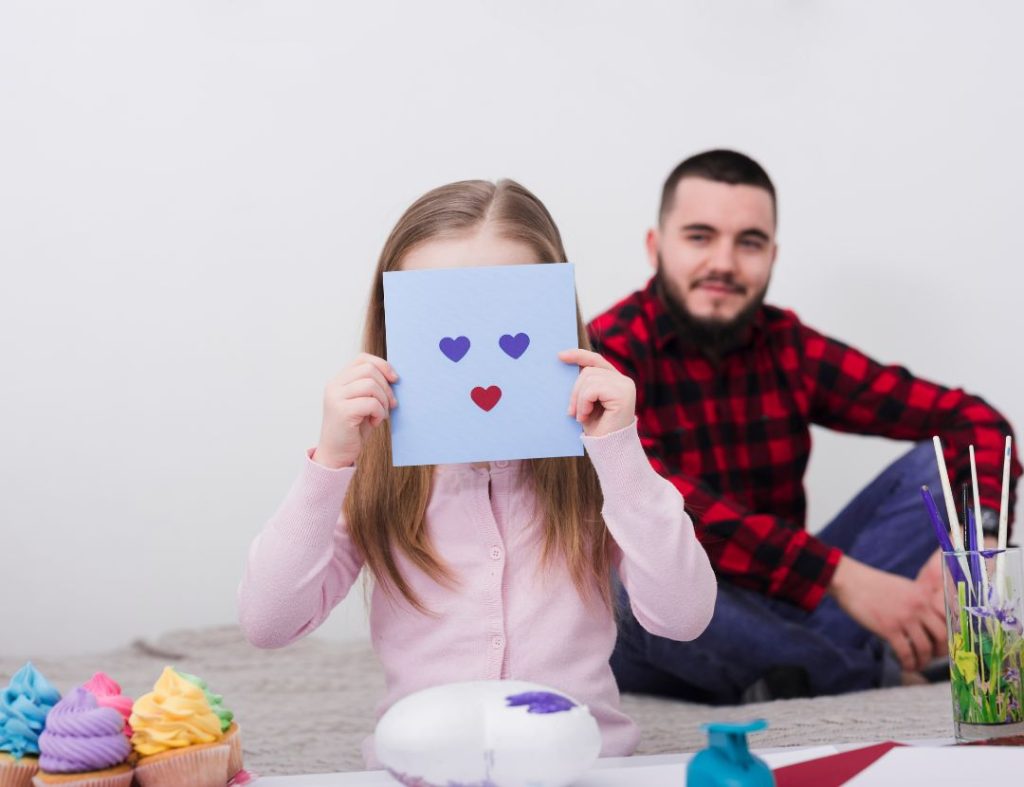
Birth to Age 2: Instinctive Emotional Empathy
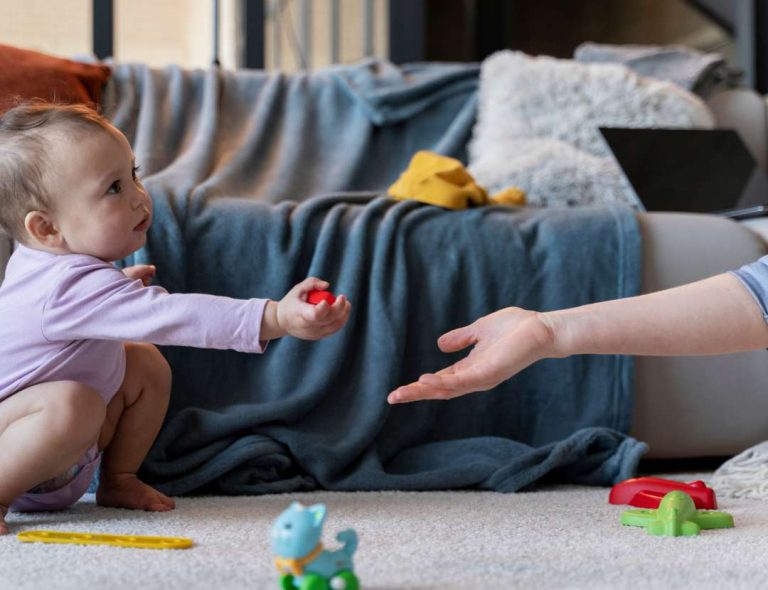
From the earliest months, babies react to the emotions around them. An infant may cry when hearing another baby cry. This is not yet conscious empathy, but emotional resonance. The child feels without fully understanding.
At this stage, children cannot yet put themselves in someone else’s place. They experience emotions in a raw way. Parents play a key role by responding consistently and gently. When children feel understood and secure, they lay the foundation for later empathy.
Simple actions matter naming emotions, speaking calmly, offering comfort. These everyday moments build early emotional connection.
Ages 2 to 4: Awareness of emotions
Between two and four years old, children begin recognizing basic emotions such as happiness, sadness, and anger. They can identify these emotions in themselves and sometimes in others, especially when they are clearly visible.
However, their perspective remains self centered. A child may try to comfort another, but often because the situation reminds them of how they would feel. Empathy is still closely tied to their own experiences.
This is an ideal time for parents to verbalize emotions: “Your friend is sad because his toy broke.” This helps children connect situations with feelings that are not their own.
Ages 4 to 6: Intentional empathetic actions
Around age four, children begin to understand that others can feel differently than they do. They become capable of more intentional empathetic actions, such as offering help or expressing concern.
They may also start anticipating the impact of their actions for example, realizing that pushing a classmate might hurt or scare them. This stage is especially important as children begin school and group interactions increase.
Stories, role playing, and discussions about social situations are very effective at this age. They help children practice observing, understanding, and responding appropriately.
Ages 6 to 9: Developing cognitive empathy
Between six and nine years old, children develop stronger cognitive empathy. They can understand another person’s perspective even if they do not share the same emotions. They begin to grasp nuances, intentions, and context.
This ability improves conflict resolution and cooperation. A child can explain why someone feels upset and adjust their behavior accordingly. They also become more sensitive to fairness and group rules.
Parents can encourage this growth by asking open-ended questions:
“How do you think your brother felt?”
“Why do you think she reacted that way?”
These conversations strengthen emotional reflection.
Age 9 and Up: Mature and Ssocial empathy
From around age nine, empathy becomes more stable and complex. Children can understand complicated emotional situations, even if they are not directly involved. They can show empathy toward people they do not personally know.
This emotional maturity supports moral development, cooperation, and social engagement. It also strengthens self esteem and long term relationships.
At this stage, parental example, family discussions, and the broader social environment become even more influential. Children observe, compare, and shape their own way of relating to others.
Empathy is not automatic or fully inborn. It develops day by day in a secure and consistent environment.
Effective strategies to teach empathy to children
Empathy is not taught only through words. It is primarily learned through example and daily interactions. The goal is to make empathy concrete and part of everyday life.
1. Be a role model
Children learn by watching their parents. One of the most powerful ways to teach empathy is to model it.
If you handle a stressful situation such as a difficult phone call explain your feelings:
“I’m feeling a little stressed because I have something important to finish. I’m going to take a few minutes to calm down.”
This shows children that emotions are normal and manageable.
2. Talk openly about emotions
Discussing emotions at home is essential. When your child faces a challenging situation, help them name what they feel:
“You seem frustrated. What happened?”
Reading books with emotionally rich stories also helps. Ask:
“How do you think this character feels?”
“What would you do in that situation?”
These discussions guide children toward deeper emotional understanding.
3. Use role playing and social scenarios
Role-playing is an excellent way to practice empathy. Create scenarios where someone loses a toy or feels left out. Ask your child how they would respond.
These exercises allow children to rehearse real-life social situations in a safe space.
4. Encourage everyday kindness
Small acts matter holding a door, giving a compliment, helping a friend.
You can also involve children in community activities, such as donating clothes or participating in local volunteer efforts. Even if they do not fully grasp the situation, they learn that others have needs and that their help makes a difference.
5. Practice active listening
Active listening means listening without interrupting, asking clarifying questions, and reflecting back what was heard.
When children feel heard, they are more likely to listen to others. Each time you actively listen to your child, you demonstrate the importance of respecting others’ feelings.
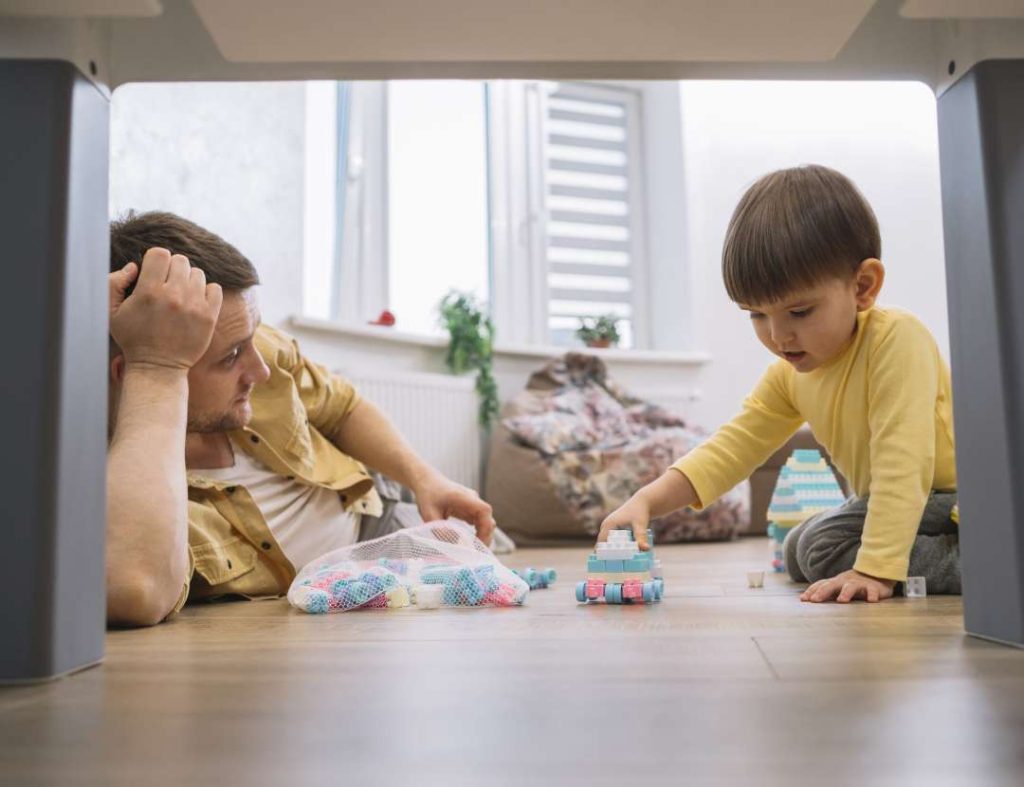
Empathy and emotional regulation
Empathy and emotional regulation are closely connected. Understanding others’ feelings helps children better understand and manage their own.
Emotional regulation
Emotional regulation is the ability to recognize and control emotions appropriately. A child who understands another’s frustration may better manage their own anger.
Parents can help by encouraging children to:
- Talk about feelings
- Use words to describe emotions
- Take breaks when emotions feel overwhelming
Empathy as a tool for self regulation
When children reflect on others’ emotions, they begin reflecting on their own reactions:
“Why did I respond that way?”
“What could I do differently next time?”
This self-questioning builds healthier emotional responses.
Managing Conflict
Conflict is inevitable. Empathy helps children understand why others react the way they do.
Parents can guide reflection by asking:
“What do you think your friend felt?”
“How would you want someone to respond to you?”
These conversations promote constructive solutions.
The role of parents and the family environment
Parents are children’s first teachers of emotional skills. A warm, respectful home environment creates ideal conditions for empathy to grow.
Family meals, open communication, and respectful conflict resolution all reinforce empathetic behavior.
When siblings argue, instead of immediately imposing punishment, parents can guide them to understand each other’s perspective. This builds lasting social skills.
Children raised in empathetic environments are more likely to apply these skills at school and later in life.
Long term benefits of empathy
The benefits of empathy are not limited to childhood. In the long run, an empathetic child will be better equipped to manage personal and professional relationships. As they grow, empathy fosters a spirit of cooperation and peaceful conflict resolution, qualities that are essential in today’s world.
Moreover, children raised in an empathetic environment tend to have better social skills, be more open to others, and show greater respect for diversity. Empathy is therefore a crucial investment for a harmonious and fulfilling future.
Empathy is not only valuable in childhood it is a lifelong asset.
Empathy is essential to children’s emotional and social development. It shapes how they interact with others and how they manage their own emotions.
Parents play a central role by modeling empathetic behavior, encouraging open conversations about feelings, and creating a supportive family environment.
Developing empathy takes time and patience, but it is one of the most valuable gifts parents can offer their children. By nurturing empathy through daily actions and meaningful conversations, families in the U.S. and Canada can help raise children who are emotionally balanced, socially skilled, and prepared to meet life’s challenges with compassion and understanding.