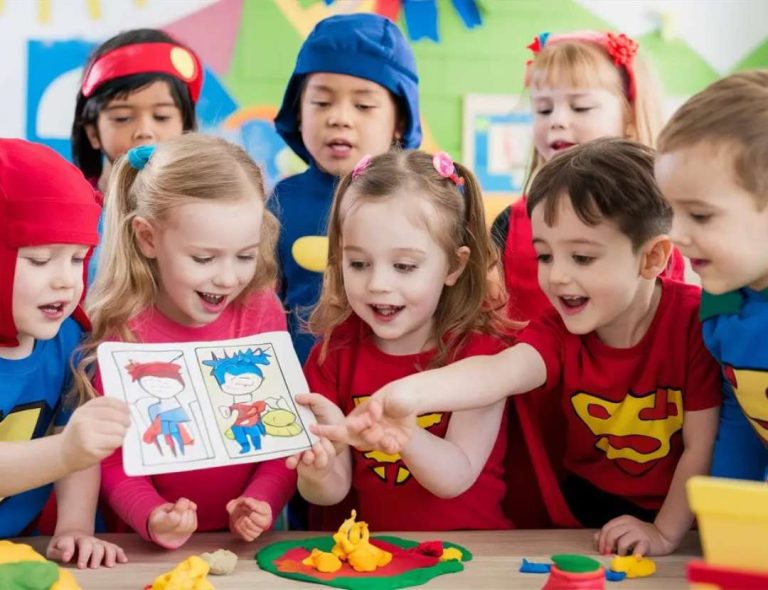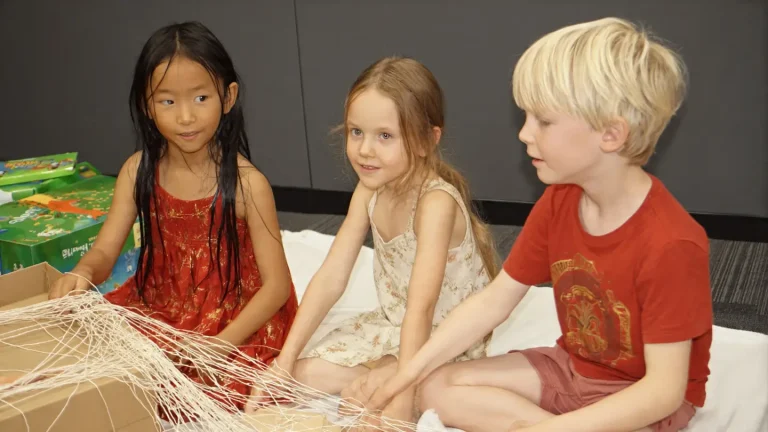
Why teaching empathy from a young age matters: Long term benefits

Empathy is a quality that, when nurtured from a young age, can have a significant impact on a child’s overall development. As parents, it’s essential to understand not only why empathy is important but also how it positively influences a child’s life in the long run. By incorporating empathic practices into their upbringing, you are preparing your child to navigate the world with strong emotional intelligence and harmonious interpersonal relationships. But what exactly are the long-term benefits of empathy? Let’s explore the lasting benefits that this skill can bring to your children.
Stronger and more harmonious social relationships
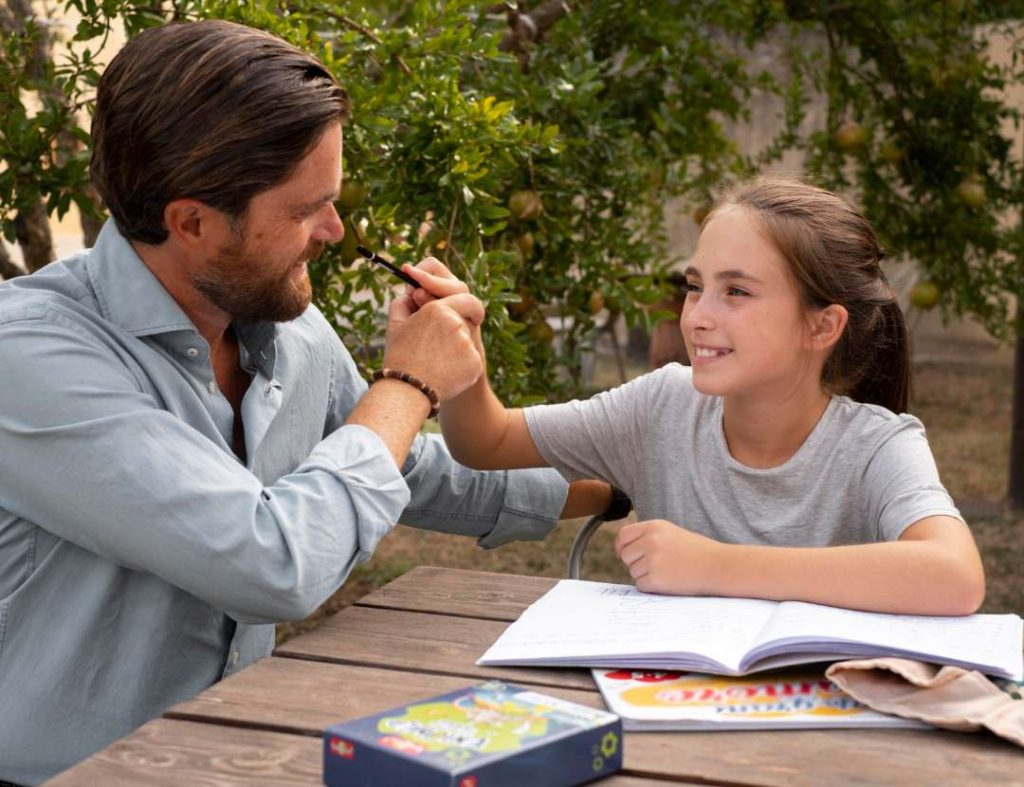
Children who develop empathy from a young age are generally better at forming and maintaining positive relationships with others. Empathy allows them to understand and respect others’ emotions, which is essential for sustaining long-lasting friendships, collaborating effectively with others, and resolving conflicts peacefully.
An empathetic child will know when to comfort a friend going through a tough time or how to support a peer who needs help. This enables them to build strong relationships based on trust and mutual understanding. These social and emotional skills contribute to a better quality of life, both at school and beyond.
Better emotional regulation
Children raised in an empathic environment tend to better understand and manage their own emotions. They can recognize what they are feeling, identify the source of their emotions, and choose the best way to respond. This helps them regulate their mood, manage stress, and react appropriately to frustrations or disappointments.
By teaching empathy, you help your child understand that all emotions, whether positive or negative, are natural and deserve to be recognized. As a result, an empathetic child will be more capable of handling emotional challenges calmly and thoughtfully, rather than reacting impulsively or aggressively.
More effective conflict resolution skills
Another major benefit of empathy is its ability to improve conflict resolution skills. Empathy allows children to put themselves in others’ shoes, which helps them see situations from different perspectives. They are therefore better equipped to find balanced solutions when conflicts arise, whether with a friend, family member, or even a classmate.
Empathetic children are also less likely to become aggressive or hostile during conflicts. They understand the importance of listening, patience, and compromise in resolving disagreements peacefully. In the long run, this ability to handle conflicts with empathy will contribute to a calmer family environment and harmonious interpersonal relationships in all areas of life.
Greater open mindedness and tolerance
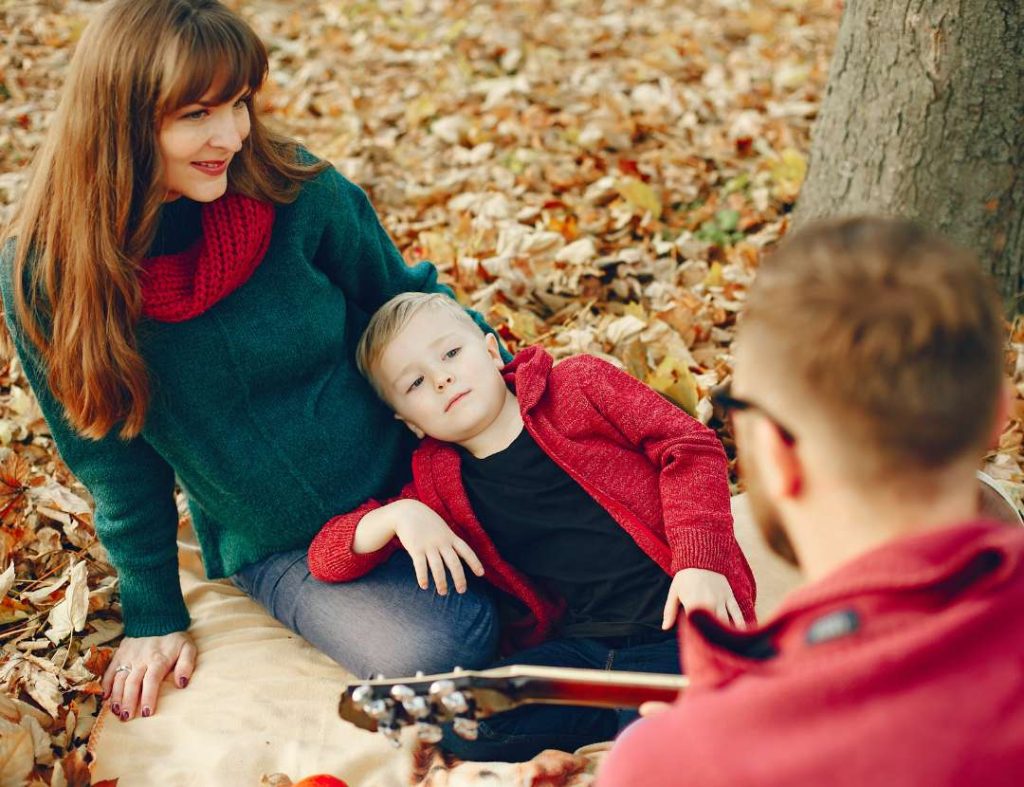
Empathy is also a powerful driver of tolerance and open-mindedness. Children who learn to understand others’ emotions and perspectives are more likely to respect diversity and develop a positive attitude toward people who are different from them. Whether it’s cultural, religious, ethnic, or any other form of diversity, an empathetic child will be less likely to judge others based on stereotypes or prejudices.
By teaching empathy, you prepare your child to live in a diverse world with a more inclusive and open approach. This can lead to better acceptance of others and greater respect for differences, which is essential in an increasingly interconnected world.
Better academic and professional success
Empathetic children also tend to succeed more in school and in their professional lives. Why? Because empathy contributes to better social skills, effective communication, and teamwork abilities. A child who understands the needs and emotions of their classmates is more likely to collaborate constructively, help others, and receive support in return.
Additionally, interpersonal skills are increasingly valued in the professional world. Employers look for individuals who can understand others’ emotions, manage difficult relationships, and work effectively in teams. By developing empathy from a young age, you prepare your child for success in these key areas, both at school and at work.
Improved mental and eEmotional well being
Finally, empathy plays a key role in a child’s mental and emotional well-being. Children who can understand and respect others’ emotions tend to have a better sense of self-worth and greater confidence in their relationships. They are also more likely to feel connected to their surroundings, which strengthens their social and emotional support networks.
Empathy also contributes to better stress management and coping with life’s challenges. Empathetic children understand that everyone goes through tough times and that emotions are part of life. This enables them to approach stressful situations with greater calm and resilience.
The benefits of empathy extend far beyond childhood. By teaching this skill from a young age, you are preparing your child to become a well-rounded adult, capable of understanding others, managing their emotions, and developing positive relationships. Empathy not only fosters more harmonious social interactions but also improves mental and emotional well-being, increases academic and professional success, and promotes greater open-mindedness.
If you would like to learn more about how empathy can help with emotional regulation in your child, I encourage you to read our article on “Empathy: A Key Tool in Managing Your Child’s Emotions.”