How parents’ example shapes children’s empathy

The role of parents in the development of empathy in their children is fundamental. Children learn largely by example. They observe and imitate the behaviors of the adults around them, especially those of their parents. This means that how parents respond to others’ emotions and manage their own feelings has a direct impact on how their children will develop emotional skills like empathy.
But how exactly does the parents’ example influence children’s empathy? Let’s explore this in detail.
Example: An essential behavioral model
Children are naturally influenced by what they see around them. They quickly grasp social expectations through the actions and reactions of adults. If a parent responds with kindness and understanding when someone around them is going through an emotional struggle, the child learns that these behaviors are appropriate and worth repeating.
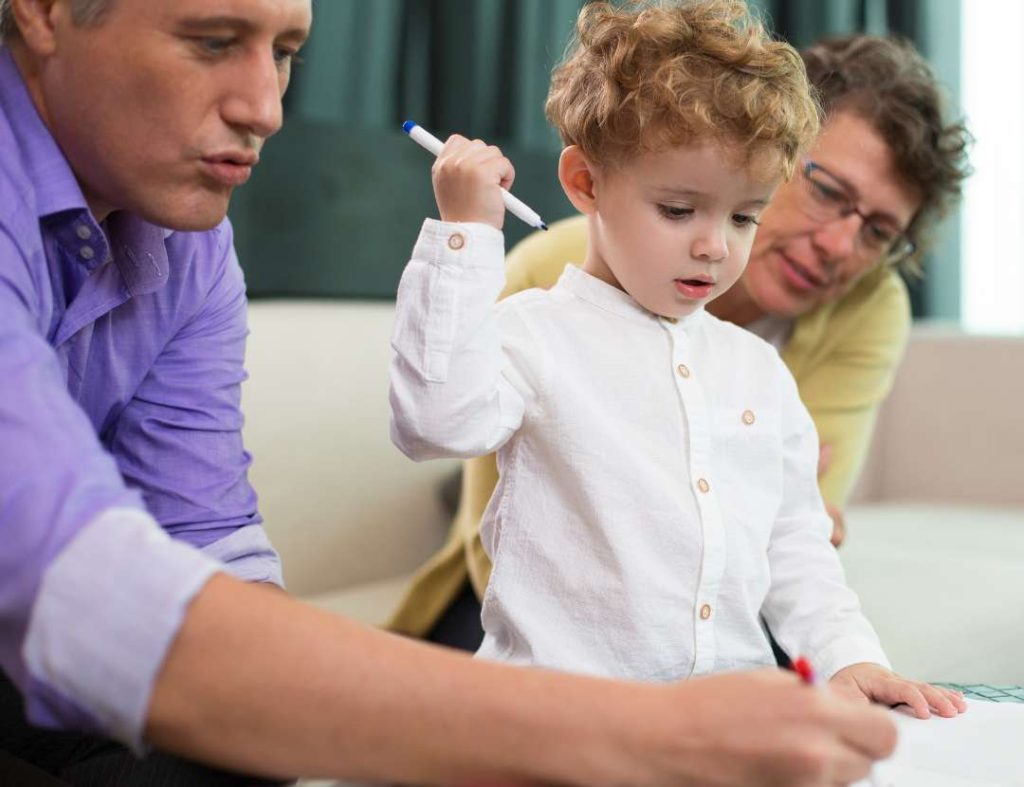
For example, if a parent takes the time to listen to a friend going through a tough time, validates their emotions, and offers help, the child observing this scene will not only learn to recognize others’ emotions but also respond with kindness and respect.
Thus, every interaction of the adult becomes a teaching moment, whether through attentive listening, calm reactions, or offering help in a difficult situation. By following these models, children develop a deeper understanding of human emotions and the importance of compassion.
Emotional communication at home
Another crucial aspect of the parents’ example is how they manage and express their own emotions. Children are especially sensitive to the emotional signals from their parents, and when they see their parents handle their emotions in a healthy way, they learn how to handle their own.
Parents who openly express their emotions while maintaining healthy control serve as good models. For example, a parent who, after a stressful day, says, “I’m tired and a bit frustrated, but I’m going to breathe and take a moment to relax” shows their child that emotions can be expressed in a healthy and controlled manner. The child thus learns that emotions are neither bad nor shameful, but that they can be managed constructively.
Encouraging empathy through conversations
Parents also play a key role in teaching empathy through regular and open conversations. By talking about emotions daily, whether discussing their own day or addressing others’ emotions, parents help their children understand that everyone, including themselves, has emotions that deserve to be recognized and respected.
Asking a child how they think their friend feels or how they would feel in a given situation is a way to encourage empathic thinking. Parents can also address emotional situations—whether real or fictional—through books, films, or games, to get the child to explore others’ emotions and think about compassionate solutions.
Empathy in difficult moments
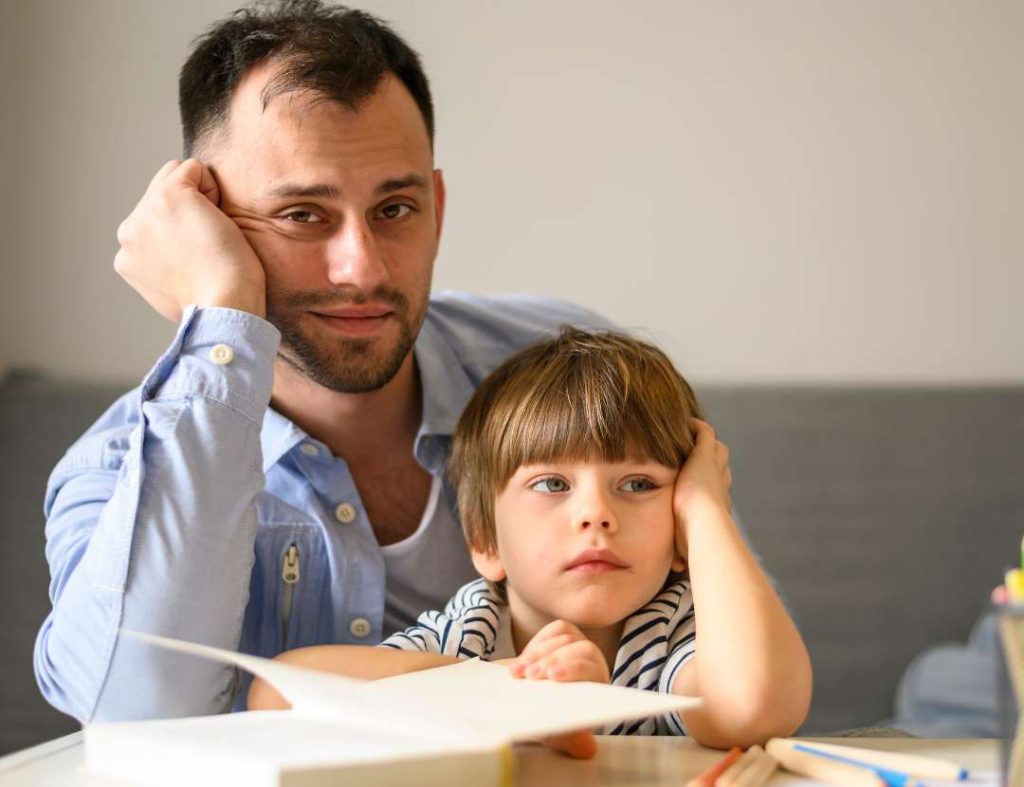
Difficult moments, such as family conflicts or stressful situations, offer parents a unique opportunity to demonstrate empathy. How does a parent react when faced with tension at home? If a parent shows that they can express frustration respectfully, listen to the other person, and then find common ground, the child learns that even in stressful moments, it is possible to respond to others’ emotions with understanding and respect.
Disagreements and conflicts are inevitable in any family. However, what is important is how parents handle them. A parent who, after a disagreement, apologizes if they’ve said something hurtful or acknowledges the other person’s feelings shows the child that recognizing mistakes and caring for others’ feelings is part of the conflict-resolution process.
The importance of authenticity
For children to truly learn empathy, parents must be authentic in their interactions. Children can detect hypocrisy and inconsistency. For example, if a parent promotes the importance of kindness and respect toward others but exhibits hostile or indifferent behavior in their interactions, the child may become confused and fail to understand why these principles aren’t applied in all situations.
Being authentic in how a parent reacts to others’ emotions, and even in how they behave in daily life situations, gives the child a strong, consistent empathy model they can integrate.
6. Creating an empathy friendly environment
Parents can create an environment where empathy is encouraged through simple actions, such as valuing acts of kindness within the family. Praising a child when they show compassion toward another family member, or discussing the importance of kindness in society, reinforces these behaviors. The child learns that empathy is not just an emotion but also a choice of action that contributes to collective well-being.
The development of empathy in children is directly influenced by the example parents set. By adopting empathic behaviors, showing how to manage emotions in a healthy way, and encouraging emotional expression, parents enable their children to understand and adopt these behaviors in their own lives. Empathy is not an innate skill but a quality that is cultivated over time with consistent example.
If you would like to learn more about how parents can encourage empathy in their children, I invite you to read our article on “How to Teach Empathy to Your Child: Techniques and Practical Activities.”