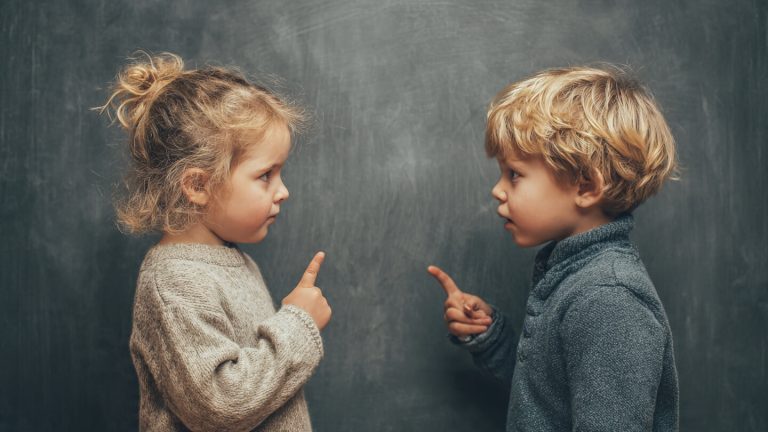
Empathy: A key tool in managing your child’s emotions
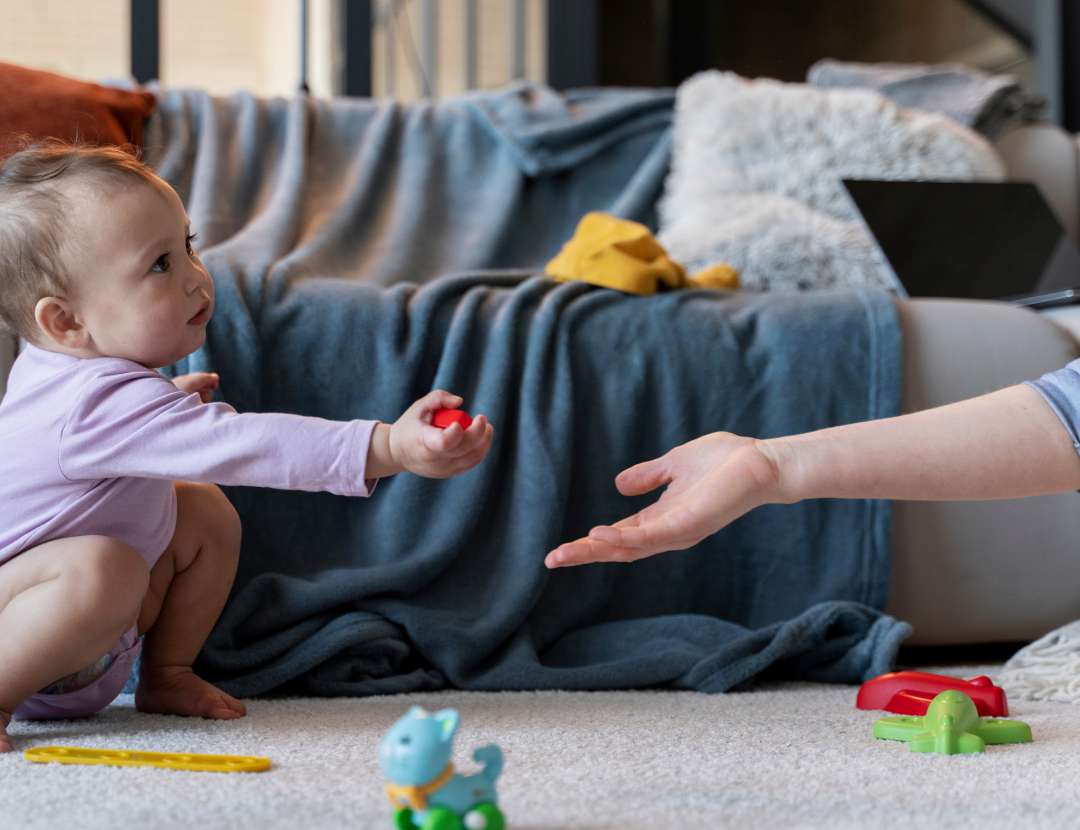
Emotions are an integral part of every child’s life. Learning how to manage these emotions, especially when they are intense or difficult to understand, is a crucial aspect of emotional development. Empathy plays a key role in this process. In fact, a child who is able to understand and respond to others’ emotions also develops a better understanding of their own feelings. But how can empathy help with emotion management and emotional regulation in children? This is what we will explore together.
What is emotion management?
Emotion management, or emotional regulation, is the ability to identify, understand, and appropriately respond to one’s emotions. It includes skills such as self-soothing, healthy emotional expression, and the ability to cope with stress.
For a child, this skill develops as they grow and become more aware of their emotions. Early in life, a child doesn’t always have the words to express how they feel, and they may struggle to understand why they feel sad, angry, or frustrated. This is where empathy becomes essential. By learning to recognize and understand others’ emotions, a child also learns to better understand their own emotions.

Empathy: Understanding the emotions of others and oneself
Empathy is primarily the ability to put oneself in another’s shoes and understand what they are feeling. By observing the emotions of others, a child can learn to identify their own feelings and express them in a healthy way.
When you help a child understand that they are not alone in their emotions, you provide them with tools to better regulate their own reactions. For example, a child who understands that their friend is sad because they lost their toy will be better equipped to manage their own frustration when faced with a similar situation. By learning to understand others’ emotions, a child can also better understand their own feelings.
How does empathy foster emotional regulation?
Empathy allows children to recognize complex emotions and respond in a constructive manner. Rather than reacting impulsively (such as shouting or hitting), an empathetic child can identify the source of their emotions and seek a calmer, more thoughtful solution.
Let’s look at a concrete example: imagine a child becomes angry when they lose a game. A child who has developed empathy will first recognize that they feel angry and then understand that this anger is the result of disappointment. Empathy also helps them understand that the other child’s anger (e.g., the one who won) is not directed at them but is part of the game.

This ability to understand emotions enables the child to learn how to regulate them and respond more calmly. By showing empathy, the child is more likely to find peaceful solutions, such as accepting defeat gracefully or expressing their frustration in a non-violent way.
4. Teaching emotional regulation through empathy
To help your child manage their emotions more effectively, it’s important to provide them with practical tools linked to empathy. Here are some techniques you can use daily:
- Recognize Emotions Together: When you notice that your child is frustrated, sad, or angry, help them put words to what they are feeling. For example, “You seem really frustrated, do you want to talk about it?” This helps them understand that their emotions are valid and that it’s important to express them.
- Encourage Emotional Expression: Teach your child to verbalize how they feel. For example, instead of crying or becoming angry, you can teach them to say, “I’m sad because I lost my toy.” This helps them express their emotions constructively.
- Model Emotional Regulation: Show your child how you manage your own emotions. For example, if you’re angry, you can say, “I’m a little angry right now, but I’m going to take a deep breath to calm down.” This model allows them to learn emotional regulation strategies they can apply to their own emotions.
- Use Stories and Role-Playing: Books and role-playing games are powerful tools for teaching emotional regulation. By discussing the emotions of characters in stories, you can help your child understand how different characters handle their emotions. Role-playing also lets them experiment with different emotional responses in a safe environment.
The impact of empathy on stress management and conflict resolution
Empathy also plays a crucial role in managing stress and conflict. An empathetic child is better able to understand others’ perspectives, which facilitates peaceful conflict resolution. For example, during an argument between friends or siblings, an empathetic child will more easily put themselves in the other’s shoes and look for a fair solution.
Additionally, empathy helps children cope with stress. When a child understands that they are not alone in their emotions and that others also experience difficult moments, they may feel less stressed and more supported. Empathy also reduces social anxiety, as the child learns to recognize and respect others’ emotions, improving their social interactions.
Empathy is a powerful tool in managing emotions. By teaching your child to understand and react to the emotions of others, you are not only providing them with keys to better manage their own feelings but also strategies for navigating social life successfully. Empathy helps develop emotional intelligence, fostering harmonious relationships, better emotional regulation, and effective conflict management.
If you would like to learn more about the impact of empathy on emotional development, I invite you to read our article, “How to Teach Empathy to Your Child: Techniques and Practical Activities.”