What is empathy and why is it essential for children?
Empathy the ability to understand and share another person’s feelings is a cornerstone of healthy emotional development in children. It helps them build positive relationships, navigate social situations, and develop the emotional intelligence they need to thrive at school and beyond.
From an early age, children begin learning how to recognize emotions, understand different perspectives, and respond with kindness. But why is empathy so important, and how can parents encourage it at home?

Empathy: A Key emotional ekill
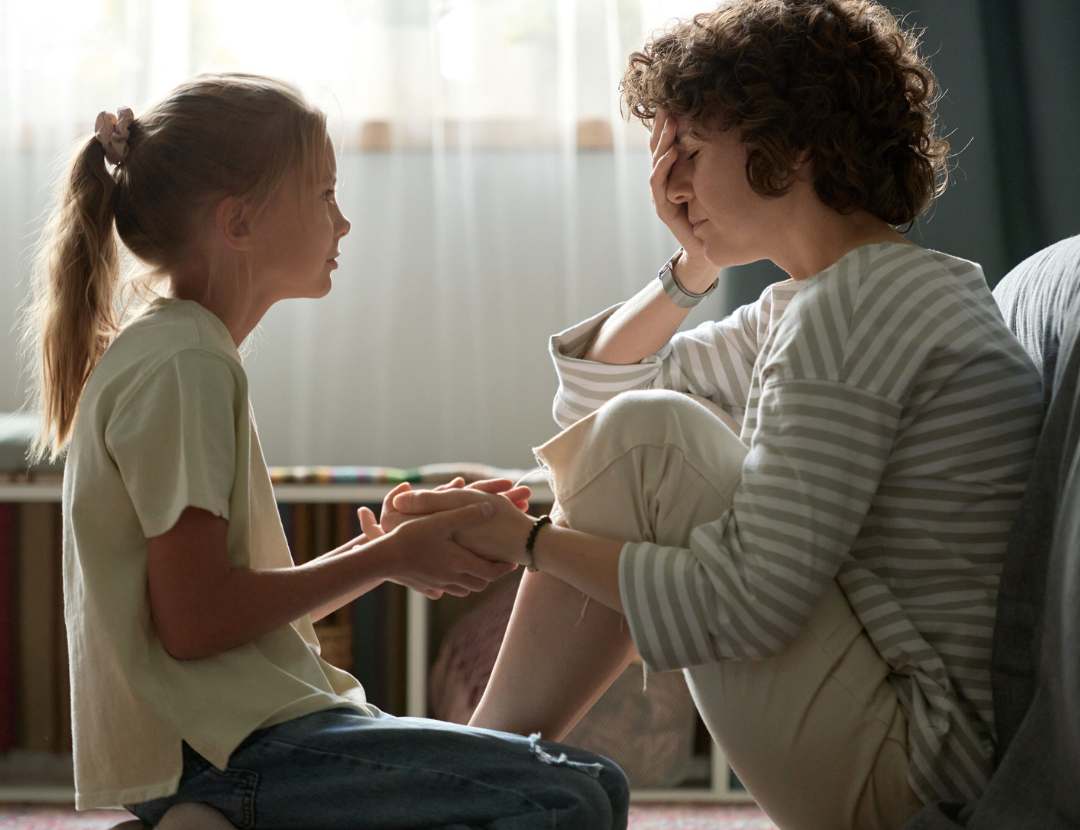
Empathy is more than recognizing emotions like happiness or sadness. It also involves understanding why someone feels a certain way and responding appropriately. For example, an empathetic child may notice that a friend is upset after losing a toy and offer comfort or help.
Research shows that children who develop strong empathy tend to have better social skills, healthier relationships, and greater success later in life. They are often more cooperative, more willing to help others, and better at resolving conflicts peacefully.
Empathy also supports emotional regulation. When children learn to understand others’ emotions, they become better at identifying and managing their own feelings. This skill lays the foundation for respectful communication and emotional well being.
How empathy develops in children
Empathy develops gradually throughout childhood:
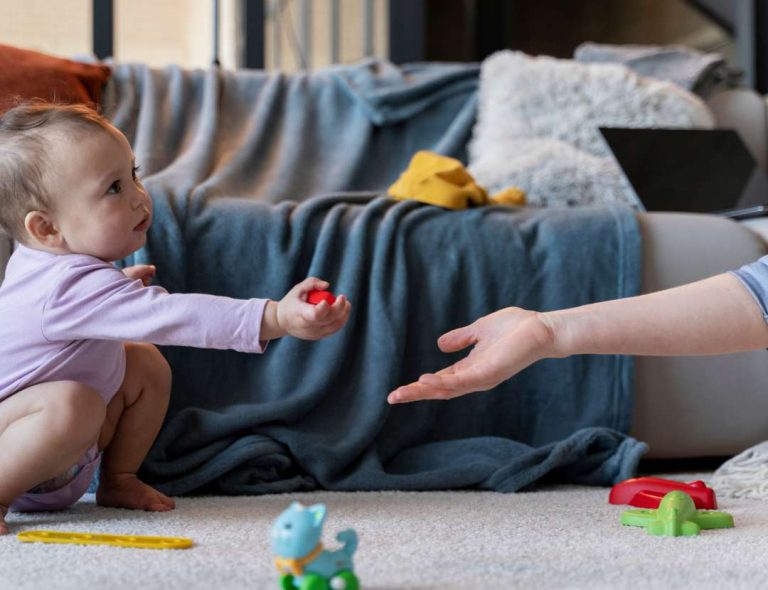
- Early childhood (0–2 years): Babies respond to emotions through imitation and emotional resonance, even if they don’t yet understand the cause.
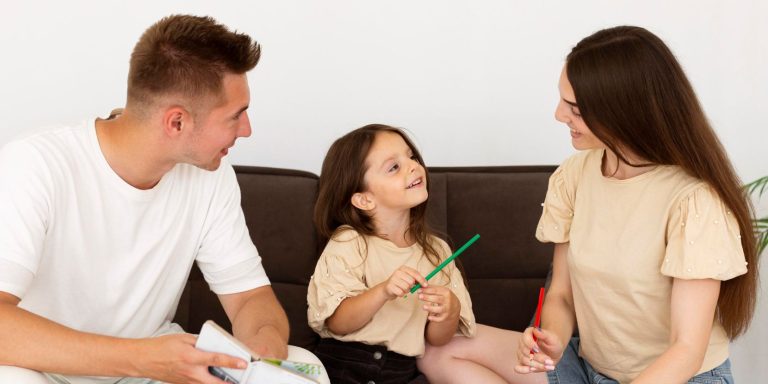
- Preschool years (2–5 years): Children begin identifying emotions in others but often view situations mainly from their own perspective.
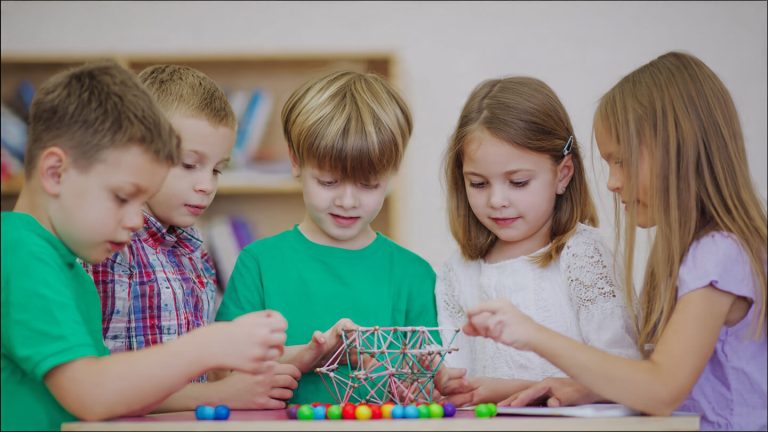
- Early school age (5–7 years): Children start to understand that others may feel differently than they do and may show compassion toward peers.
- Age 7 and up: Empathy becomes more complex, allowing children to understand diverse experiences, manage conflicts, and act with greater kindness and fairness.
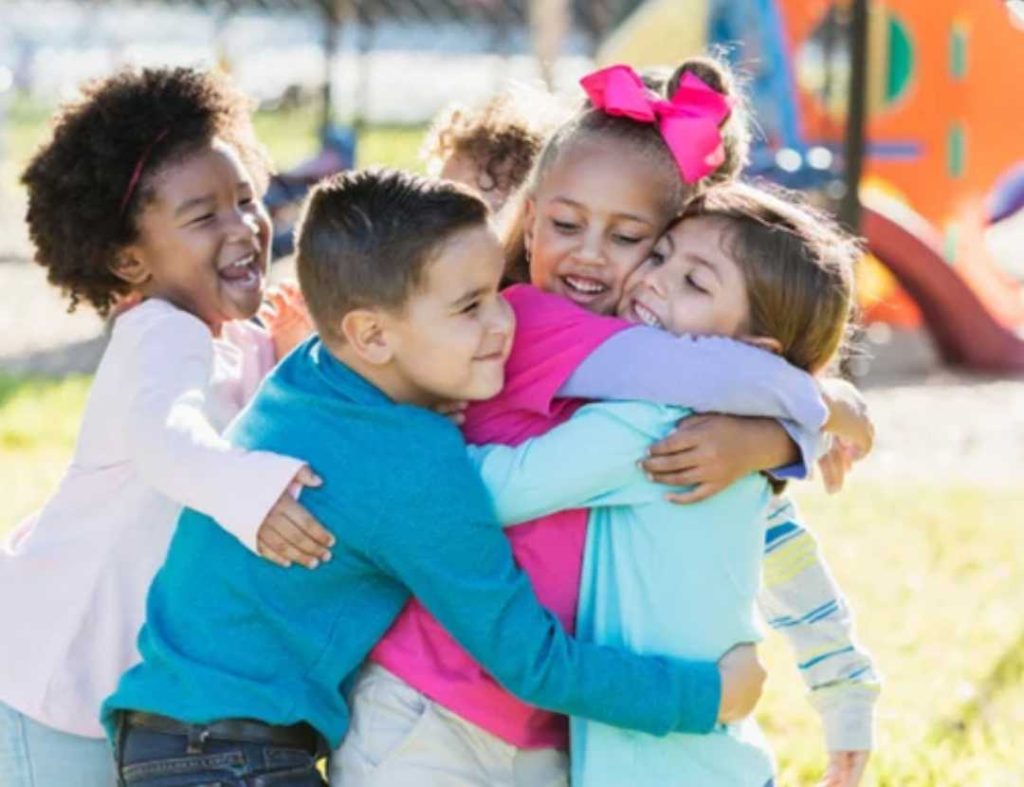
The role of parents in teaching empathy
Parents play a vital role in nurturing empathy. Children learn by observing how adults respond to emotions both their own and others. Calm, supportive reactions to a child’s feelings teach understanding and emotional awareness.
Creating a safe space for emotional expression is equally important. When children feel heard and validated, they are more likely to respect others’ feelings as well.
Simple daily practices can make a big difference: talking about emotions, asking children how someone else might feel, or discussing characters’ emotions in books and movies all help strengthen empathy.
Long term benefits of empathy
Empathy benefits children well into adulthood. It promotes cooperation, respect for diversity, and strong interpersonal skills qualities that are essential in today’s interconnected world. Children raised in empathetic environments are often more confident, socially adaptable, and emotionally resilient.
Teaching empathy is one of the most valuable gifts parents can give their children. It helps them understand others, manage their emotions, and build meaningful relationships. An empathetic child is better prepared to face life with kindness, confidence, and compassion.To learn more about how empathy supports emotional regulation, explore our article “Empathy: A Key tool in managing your child’s emotions.”