Adolescent brain development: Why do they act this way?

Teenagers can sometimes seem like they belong to another species. One moment they’re laughing uproariously, the next they’re slamming doors or staring silently at their phones. In Canada and the United States, parents often feel helpless and wonder if they’re doing something wrong. The truth lies in adolescent development. Their brains are restructuring at breakneck speed, which can heighten their emotions and lead to impulsive decisions. This practical guide explains the scientific mechanisms in simple terms, so you can respond with understanding rather than exhaustion.
Understanding the adolescent brain
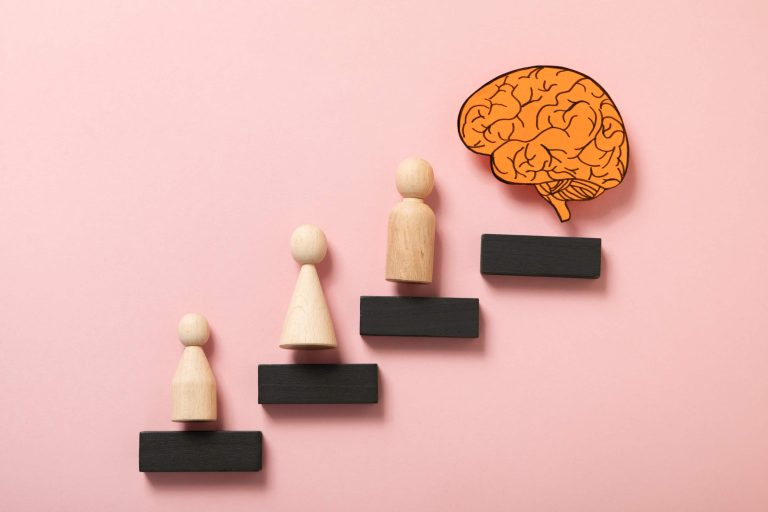
The adolescent brain undergoes major transformations between the ages of 12 and 25. It’s like a construction site: Old neural circuits are eliminated and new ones are formed. The prefrontal cortex, responsible for planning, judgment, and self-control, develops more slowly than other brain regions. This delay explains why adolescents intellectually understand the consequences of their actions but struggle to put them into practice.
At the same time, the amygdala becomes active, triggering emotions like fear, anger, and excitement. It matures faster, creating an imbalance where emotions prevail over logic. Risk-taking increases because dopamine rewards novelty more intensely during these years. Parents see this as rebellion; biology, however, sees it as essential growth.
This transformation is not synonymous with chaos. It fosters adaptability and resilience. Understanding the different phases : Pre-teens focusing on building their identity, older teenagers on independence allows you to tailor your approach to their developmental stage. Science-based patience transforms frustration into empathy. The Developing Adolescent Brain: Understanding the Adolescent Mind .
Navigating the emotional roller coaster
Hormones and stress amplify all emotions in teenagers. Puberty triggers a surge in estrogen, testosterone, and cortisol, leading to constant mood swings. Academic demands, social comparisons, and sleep disruptions exacerbate the situation. Even a minor setback feels like a catastrophe, as their emotional sensitivity is heightened.
Parents can ease tensions by remaining calm. Deep breathing during arguments helps to calm the amygdala’s overreactions. Naming emotions together : “You seem overwhelmed” helps to better understand them. Establishing routines, such as regular bedtimes, helps to stabilize the atmosphere.
Avoid minimizing feelings by saying, “It’s just hormones.” Validate the emotions first, then guide them. Over time, teenagers learn to self-regulate. Professional help is invaluable for persistent anxiety, as it allows problems to be identified early. Emotional Rollercoaster: Managing Mood and Stress in Teenagers
The power of peer influence
Around the age of 13, the influence of friends begins to overshadow that of family. The brain’s social reward circuit is activated by peer approval, releasing dopamine more strongly than parental praise. Teenagers seek a sense of belonging to test their identities: Styles, opinions, and values. This situation may seem unstable, but it contributes to shaping their identity.
Social media amplifies this phenomenon, blending virtual validation with real life. The constant “likes” and comments lead to endless comparisons. Teach them to take a critical look at the digital world: “How do you feel when you scroll through pages?” Balance comes from diverse friendships: at school, in sports, and through leisure activities.
Peer pressure tests boundaries, but role-playing builds self-confidence. Home remains the anchor. Informal exchanges “What was your group like?” keep the dialogue going without being intrusive. The Social Mind: Friendship, Identity, and Belonging
Deciphering the decisions risky
Impulsive choices stem from this prefrontal lag. Teenagers seek thrills because, in their neural processing, rewards outweigh risks. Friends amplify this phenomenon: group interactions intensify the search for thrills. Yet, this drive evolved for exploration, not danger.
Shift from punishment to coaching. Ask them, “What could go wrong?” to get them thinking. Share your own experiences honestly: “I’ve made a mistake before and learned from it.” Channel their energy into low-risk activities, like discovering new sports or projects.
Consequences are more effective when presented as feedback. Consistency and compassion clear rules, clear explanations reinforce judgment. Trust is built when teenagers see you as a guide, not a police officer. Decision-making and risk-taking behavior: the logic behind “stupid” choices
School stress and brain development
Academic pressure reaches its peak when teenagers juggle schoolwork and the search for their identity. Their still-developing brains quickly absorb knowledge but buckle under the weight of perfectionism. Cortisol, produced by chronic stress, impairs memory and motivation, giving the impression of being prone to laziness.
Value effort over talent: “You did well.” Relaxation time (sleep, games, nature) reinforces learning. Consider failure as information: “What can I improve for next time?” Curiosity is more important than grades for acquiring skills that are useful throughout life.
Provide support without being overprotective. Help with organization, but leave individuals responsible for results. A balanced schedule prevents burnout and transforms studies into assets. Academic pressure and cognitive development: turning stress into strength
Strengthening parent-teen bonds
Control creates distance; communication brings people closer. Listen without trying to solve the problem right away: “That sounds difficult.” Involve teenagers in setting boundaries to gain their buy-in. Rituals like family meals create a safety net during times of crisis.
Apologize when you’re wrong; it shows maturity. Share your weaknesses to show you’re more human. Emotional safety allows teenagers to take the risk of being honest, even in conflict situations.
Mentoring replaces authority. Guide them toward their values through questions, not commands. This step redefines your role: from protector to ally . Bonds endure when they are based on respect. Building strong parent-teen relationships: communicate, don’t control. Adolescent development isn’t a problem to be solved, but a process to be supported. Your constant presence helps build their self-confidence and wisdom. Difficult times will pass; the lessons, however, will remain. See the sections above for personalized advice for parents.