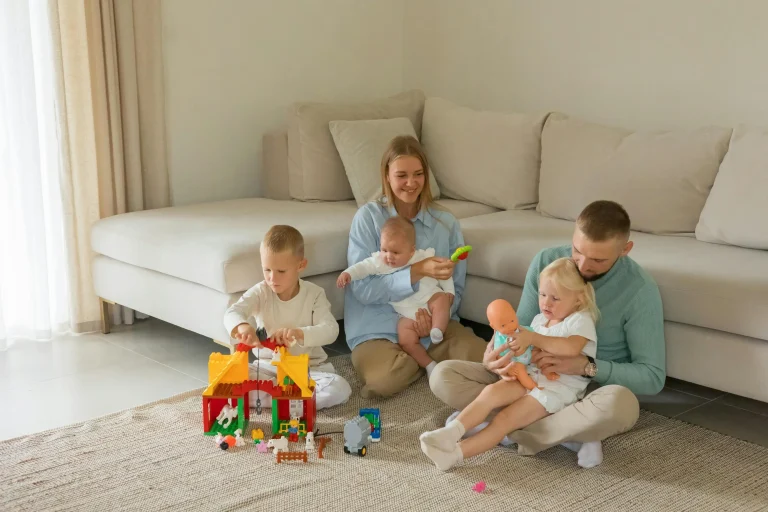
The emotional cost of always trying to be a “good parent”

many parents carry an invisible burden that has little to do with daily logistics and everything to do with identity. the pressure to be a “good parent” often sounds positive, but over time it can become emotionally exhausting. behind the effort to do everything right, many parents experience chronic self-doubt, guilt, and emotional tension.
this article explores the emotional cost of constantly trying to meet an ideal of good parenting. it looks at how this pressure affects parent wellness, relationships, and inner stability, and why releasing perfection does not mean caring less, but living more sustainably.
How the “good parent” ideal is formed
the idea of a good parent rarely comes from one source. it is shaped by culture, family history, social norms, and modern parenting narratives. expectations accumulate quietly.

parents absorb messages about:
- constant emotional availability
- endless patience
- correct responses at all times
- prioritizing children above all else
over time, these expectations turn into internal rules. parents judge themselves even when no one else is watching.
When effort turns into emotional strain
trying to be a good parent often begins with care and responsibility. the problem arises when effort becomes self-surveillance. parents monitor their tone, reactions, and decisions continuously.
this constant self-checking creates tension. the nervous system stays alert. rest becomes difficult. emotional presence decreases because attention is split between the moment and self-evaluation.
emotional strain appears as:
- persistent guilt
- fear of making mistakes
- difficulty relaxing
- emotional exhaustion
parent wellness suffers when effort is driven by fear rather than values.

The role of guilt and self-criticism
guilt plays a central role in the good parent narrative. parents may feel guilty for needing rest, setting boundaries, or prioritizing their own needs.
self-criticism often follows. internal dialogue becomes harsh and unforgiving. instead of learning from moments of frustration, parents punish themselves emotionally.
this pattern reduces resilience. self-criticism does not improve parenting. it increases stress and emotional distance.
How perfectionism affects relationships
the pressure to be a good parent rarely stays internal. it affects relationships with partners and children.
parents may:
- overextend themselves instead of asking for help
- feel resentful when support is missing
- struggle to communicate needs clearly
- become emotionally unavailable despite physical presence
children sense this tension. emotional connection weakens not because of lack of love, but because of emotional depletion.
Identity loss and emotional disconnect
when the role of good parent becomes dominant, parents may lose connection with other parts of themselves. personal interests, rest, and individuality feel secondary or selfish.
this identity narrowing increases emotional fatigue. parents may feel disconnected, numb, or irritable without understanding why.
wellness improves when parents allow themselves to be whole people, not only caregivers.
Redefining what “good enough” really means
good parenting does not require constant excellence. it requires reliability, repair, and presence most of the time.
redefining success includes:
- allowing mistakes and repairing them
- prioritizing emotional safety over performance
- accepting limits without shame
- valuing consistency over perfection
this shift reduces emotional pressure and restores balance.
Choosing values over ideals
values guide behavior more gently than ideals. while ideals demand perfection, values allow flexibility.
a parent guided by values asks:
- does this support connection?
- does this protect my emotional health?
- does this align with who i want to be?
values-based parenting supports long-term wellness and reduces self-judgment.
Why releasing the ideal improves parent wellness
letting go of the good parent ideal frees emotional energy. parents become more grounded, responsive, and emotionally available.
wellness improves when parents:
- trust their capacity
- allow imperfection
- stop performing parenting
- prioritize internal stability
children benefit from parents who are emotionally regulated rather than perfect.

Conclusion
the emotional cost of always trying to be a good parent is often hidden behind responsibility and care. many parents carry this cost silently, believing pressure is part of love.
releasing unrealistic ideals does not weaken parenting. it strengthens it. when parents allow themselves to be human, emotional space opens for connection, resilience, and peace. parent wellness grows when effort is guided by compassion rather than fear, and when parenting becomes a relationship instead of a performance.
for a deeper understanding of how emotional balance reshapes the entire parenting experience, explore Parent wellness Reclaiming mental and emotional balance in modern parenting.