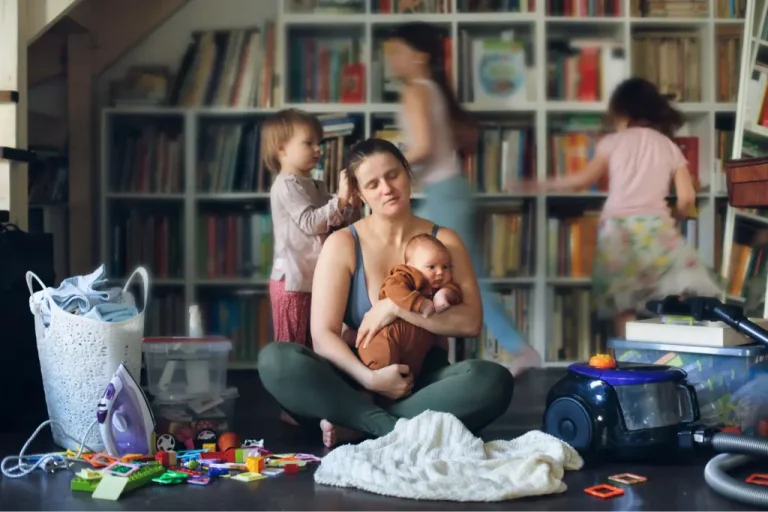
Why parents feel costantly under perssure without knowing why?

many parents in the usa and canada describe a constant sense of pressure that never fully lifts. it is not always linked to a specific crisis. life may look stable from the outside. the children are fine. work is manageable. routines are in place. yet internally, many parents feel tense, restless and mentally overloaded without being able to explain why.
this pressure is not the same as burnout, anxiety, or stress in the traditional sense. it is more subtle. it lives in the background of daily life. it shows up as irritability, mental fatigue, impatience, or a feeling of always being “on.” understanding where this pressure comes from is a key step in protecting parent wellness and emotional balance.
this article focuses on one central question: why do so many parents feel under pressure even when nothing seems wrong?
Pressure without a clear source
unlike acute stress, this type of pressure does not come from a single event. it builds slowly through accumulation. parenting today requires constant decision-making, emotional availability, and mental tracking. parents are expected to anticipate needs manage schedules, regulate emotions and stay informed, all while appearing calm and capable.
over time, the nervous system adapts to this constant demand by staying slightly activated. the body remains alert. the mind rarely rests. even during quiet moments, parents may feel uneasy or distracted. this is not a personal weakness. it is a physiological response to prolonged cognitive and emotional load.
many parents normalize this state. they assume feeling tense is just part of adult life. because there is no obvious breaking point, the pressure goes unnamed and unaddressed.
The mental load that never fully shuts off

one major source of constant pressure is the invisible mental load parents carry. this includes remembering appointments, tracking school details, anticipating emotional needs, and planning ahead for problems that have not happened yet.
mental load is exhausting not because it is dramatic but because it is continuous. there is rarely a moment when the mind fully powers down. even rest can feel incomplete because the brain remains in planning mode.
this ongoing mental engagement creates background stress. parents may struggle to relax, focus or enjoy downtime. they might feel guilty for resting or uneasy when things are quiet. pressure becomes the default state.
Emotional responsibility and self-monitoring
modern parents are encouraged to be emotionally aware, responsive, and supportive. while this has many benefits, it also creates internal pressure. parents often feel responsible not only for their child’s behavior, but for their child’s emotional experience.
this can lead to constant self-monitoring. parents watch their tone, reactions, and facial expressions closely. they replay interactions and question whether they handled things “right.” over time, this internal scrutiny increases tension and reduces emotional ease.
when parents feel they must always respond perfectly, the body stays on alert. mistakes feel heavier. recovery takes longer. pressure grows quietly beneath the surface.
Cultural expectations and comparison

parenting culture plays a powerful role in shaping internal pressure. social media, expert advice, and parenting trends often suggest that there is a right way to handle every situation. parents are exposed to endless information about what they should be doing differently.
even when parents try to ignore comparison, these messages seep in. they create a sense of being evaluated, even in private moments. many parents feel they are falling behind or missing something important.
this comparison-driven pressure does not always show up as conscious worry. instead, it appears as restlessness, dissatisfaction or a feeling of never doing enough. the pressure feels personal but it is often cultural.
Loss of internal pause
another reason pressure feels constant is the absence of true pauses. many parents move from task to task without transition. there is little space to reset emotionally between roles.
without pauses, the nervous system does not fully discharge stress. tension accumulates. parents may feel wired but tired, alert but drained. this state makes it difficult to recognize pressure because it feels normal.
learning to notice this pattern is an important part of wellness. pressure is not always loud. sometimes it is simply the absence of rest.
Why parents struggle to name it
many parents hesitate to acknowledge this pressure because they believe they should be grateful. their lives may not match traditional definitions of hardship. they worry that naming discomfort means complaining or failing.
as a result, parents often minimize their experience. they push through. they tell themselves others have it harder. this internal dismissal prevents awareness and relief.
pressure that remains unnamed tends to grow. awareness is not about blame. it is about understanding what the body and mind are responding to.
Reconnecting with awareness

reducing constant pressure does not start with major lifestyle changes. it begins with awareness. noticing tension, mental fatigue and emotional overload without judgment creates space for regulation.
simple practices can help parents reconnect with their internal state:
- noticing body tension during the day
- identifying moments of mental overload
- allowing short pauses between tasks
- acknowledging emotional fatigue without labeling it as failure
these small acts of awareness signal safety to the nervous system. they allow pressure to soften rather than escalate.
many parents find that understanding the internal roots of pressure helps them approach parenting with more compassion toward themselves. this awareness supports long-term wellness and emotional balance.
Conclusion
feeling constant pressure does not mean that parenting is failing or that something is wrong with you. in many cases, it is the natural result of invisible expectations, emotional responsibility, and a mental load that never truly pauses. when parents begin to name this pressure, it loses some of its power.
understanding where pressure comes from is the first step toward protecting parent wellness. the next step is learning how to protect your emotional energy without disconnecting from your child. this balance is explored more deeply in
Parental boundaries how parents set limits without losing themselves
where we look at how setting healthy limits supports both emotional safety and long-term connection.