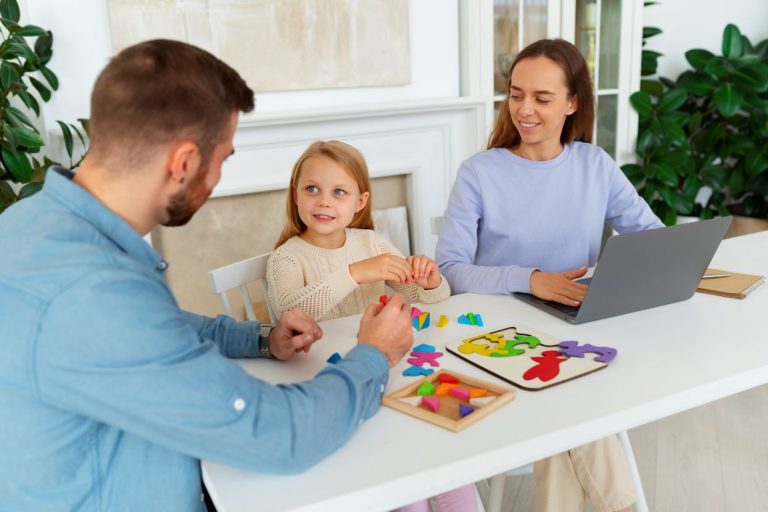
The lasting benefits of emotional maturity

Emotional maturity does more than transform the way we react; it profoundly improves our quality of life. It influences mental health, relationships, inner stability, and even how we navigate life’s challenges. When we learn to understand and regulate our emotions, we stop being carried away by constant emotional highs and lows. We become calmer, clearer, and more confident.
In my work with families and couples, I have seen how deeply emotional maturity changes the dynamics of a household. Relationships become more relaxed, misunderstandings are resolved more quickly, and everyone gains greater clarity in their choices. Emotional maturity is like strengthening the foundation of a house: everything around it becomes more stable.
Stronger mental health
Our emotions directly affect both body and mind. When they are suppressed or poorly managed, they create chronic stress, tension, and exhaustion. On the other hand, people who develop emotional maturity learn to recognize their internal signals before emotions escalate.
They express their needs, talk instead of ruminating, and pause to breathe before reacting. This way of functioning reduces anxiety and improves the ability to stay present. Many studies show that emotional regulation protects mental health: it lowers the risk of depression and strengthens resilience during difficult times.
Living with greater emotional maturity means allowing yourself to feel without getting lost in your emotions.
Deeper and more stable relationships

Emotional maturity also strengthens the quality of our relationships. It helps us communicate with respect, set boundaries without aggression, and calm conflicts with clarity. When each person learns to speak about themselves without blaming the other, dialogue becomes clearer and more constructive.
In families, this changes everything. Children feel heard, parents regain balance, and couples grow closer. The shift is from reactivity to understanding.
This mutual respect simplifies daily life: fewer tensions, fewer accusations, and more cooperation. Over time, relationships become a source of comfort and support rather than an emotional battleground.
Healthier self-esteem
Emotional maturity is rooted in self-awareness. By learning to understand our emotions, we also learn to respect ourselves. We stop judging ourselves for our reactions and begin treating ourselves with compassion. This self kindness builds confidence and frees the energy we once used to defend ourselves or feel guilty.
Emotionally mature people accept their limits without apology. They acknowledge their needs without shame and celebrate their progress at their own pace. This stable self-esteem reduces dependence on others’ approval.
It is this inner strength that allows for more balanced and authentic relationships.
Facing challenges with calm
Life’s difficulties do not disappear with emotional maturity, but they become easier to manage. We understand that emotions are temporary; they pass through us but do not define us. This awareness brings a deep sense of calm when facing the unexpected.
Emotionally mature individuals remain clear-headed even in turmoil. They recognize that anger, fear, or sadness have meaning: they signal a need, a boundary, or a necessary change. Instead of avoiding these emotions, they welcome them and learn from them.
This approach prevents impulsive reactions and helps people recover more quickly. Over time, it creates a profound inner peace.
A positive impact on physical health
The body and emotions are closely connected. Stress and emotional suppression disrupt sleep, weaken the immune system, and contribute to chronic pain. In contrast, better emotional regulation improves breathing, heart rate, and digestion.
By releasing accumulated tension, the body returns to its natural balance. Many people report more energy, deeper sleep, and increased vitality.
This harmony between body and mind is very real. It shows up daily as overall well-being and a greater ability to enjoy the present moment.
More harmony in family and society
When one person becomes more self aware, that growth spreads outward. In a home where emotions are welcomed without judgment, communication flows more easily. Children grow up with stronger self-confidence, couples move forward with respect, and social relationships become gentler.
Emotional maturity is contagious. A calm attitude during a tense moment can dissolve an entire conflict. An empathetic word can ease deep emotional fatigue.
This is how, little by little, a positive cycle formsfrom personal wellbeing to collective peace.
Growing without end
Emotional maturity has no final destination. It is a lifelong process, an inner movement that continues throughout life. The more we practice listening and kindness, the more we discover the depth of our inner world.
Every experience becomes an opportunity for growth. Emotions are no longer obstacles but allies. They guide us toward a more conscious, grounded, and free version of ourselves.
Choosing this path means choosing a more authentic life one where peace no longer depends on external circumstances, but on our ability to remain aligned within.
And to understand how this transformation plants seeds of stability from the very foundations of family life, I invite you to explore emotional education for children an essential starting point for passing these values on to future generations.Teaching emotional maturity to children