What is self-regulation and impulse control in children ?

Self-regulation allows children to control impulses, manage frustration, and respond thoughtfully in social contexts. Impulse control is closely linked to patience, decision-making, and maintaining positive interactions with peers and adults.
Children develop these skills gradually through repeated experiences. Daily routines, structured play, and guided interaction provide natural opportunities to practice patience and thoughtful responses. Parents and caregivers play a vital role in modeling calm behavior, providing consistent guidance, and reinforcing positive self-control.
Supporting self-regulation and impulse control equips children with tools for resilience, effective learning, and healthy social relationships. This article explores strategies, activities, and approaches for nurturing these essential skills across childhood.
Understanding self-regulation
What is self-regulation ?
Self-regulation is the ability to manage emotions, attention, and behaviors in response to environmental demands. It allows children to pause before acting, consider consequences, and respond appropriately.
Importance of self-regulation
Children with strong self-regulation demonstrate better social interactions, higher academic performance, and increased problem-solving skills. They are more likely to adapt to changing situations and manage stress effectively.
Developmental stages
Toddlers show early signs of self-regulation by waiting turns or tolerating brief frustration. Preschoolers and school-age children gradually improve attention span, patience, and emotional control. Recognizing developmental stages helps parents provide appropriate support and expectations.
Early support
Providing structured routines, consistent guidance, and opportunities for reflection helps children begin developing self-regulation. Simple strategies like waiting before responding or practicing calm breathing introduce foundational skills.
Techniques to improve impulse control
Games and structured play
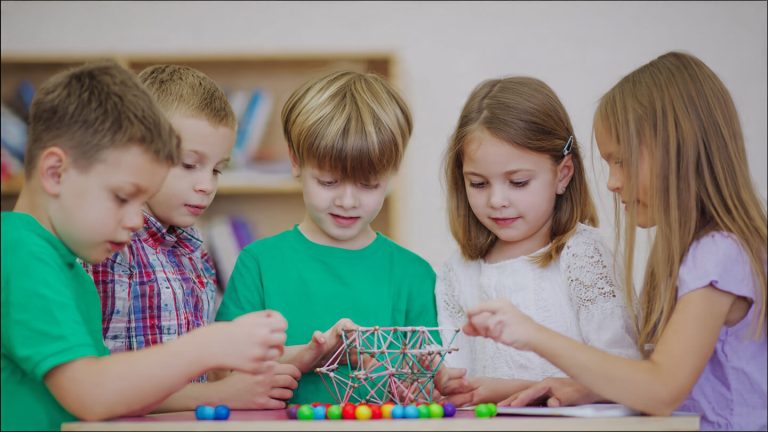
Turn-taking games, board games, and timed challenges encourage children to practice patience and think before acting. Activities of cooperative building tasks offer practical opportunities to exercise impulse control.
Mindfulness and breathing exercises
Simple mindfulness activities, such as deep breathing or counting, help children pause, focus, and regulate reactions. Repeating these exercises in calm moments prepares children to use them during stressful situations.
Role-playing scenarios
Role-play allows children to practice responding to frustration, conflict, or temptation in a safe environment. Adults can guide children through alternative actions, helping them internalize strategies for real-life situations.
Praise and reinforcement
Acknowledging moments of self-control reinforces positive behavior. Praise should focus on effort and decision-making rather than only outcomes, promoting confidence and motivation.
Emotional awareness and regulation
Recognizing feelings
Children must identify emotions like anger, excitement, or disappointment to manage responses effectively. Naming emotions and discussing triggers helps them develop awareness.
Strategies for regulation
Techniques such as taking a break, using words to express feelings, or engaging in calming activities teach children to respond thoughtfully. Parents can model these strategies consistently.
Reflection and discussion
After emotional experiences, discussing what happened, how the child felt, and what they could do differently reinforces learning. Reflection strengthens understanding and future application of self-regulation.
Daily Integration
Everyday routines, cooperative play, and problem-solving activities provide repeated opportunities to practice self-regulation and impulse control naturally.
Supporting self-regulation at home
Creating a structured environment
Consistent routines, clear expectations, and predictable transitions help children anticipate and manage their behavior. Structured environments reduce stress and support controlled responses.
Guided practice
Parents can guide children through situations that challenge self-control, offering prompts and gentle correction. Gradual increase in complexity helps children build confidence and skill.
Encouraging independence
Providing choices and responsibilities allows children to practice decision-making and manage impulses. Supportive guidance balances autonomy with oversight.
Positive reinforcement
Acknowledging small successes motivates children to continue practicing self-regulation. Reinforcement can be verbal praise, rewards, or shared recognition of effort.
Self-regulation in social contexts
Peer interactions
Managing impulses during playdates, classroom activities, or team projects strengthens social skills. Children learn to negotiate, share, and respond respectfully to peers.
Conflict and cooperation
Impulse control supports conflict resolution and cooperation. Children who pause and reflect before acting are better able to listen, compromise, and resolve disagreements constructively.
Role of adults
Adults model calm and thoughtful responses in social situations. Guiding children through group interactions, providing feedback, and praising controlled behavior reinforces learning.
Integration into daily life
Daily social experiences, from shared meals to team sports, provide practical opportunities to practice self-regulation and impulse control consistently.
Long-term benefits and practice
Academic and social advantages
Children with strong self-regulation perform better academically, maintain positive relationships, and demonstrate resilience. These skills support success across multiple domains of life.
Encouraging lifelong practice
Repeated opportunities to practice patience, reflection, and thoughtful action build habits that endure. Families can integrate short exercises, structured play, and discussion into everyday routines.
Creating supportive environments
Providing safe, structured, and responsive environments helps children internalize self-regulation skills. Balance of guidance, autonomy, and reinforcement ensures sustainable growth.
For families seeking additional strategies to support self-regulation through guided play and social interaction, the satellite article on conflict resolution provides complementary techniques to reinforce impulse control and social competence.