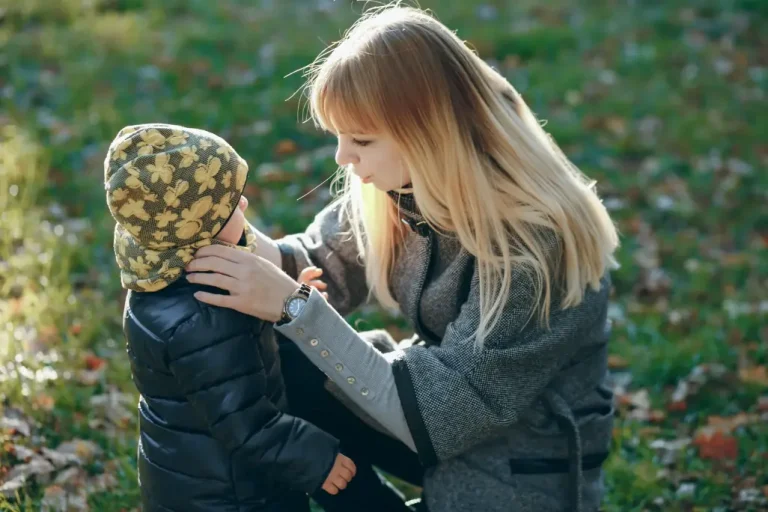
Teaching emotional maturity to children
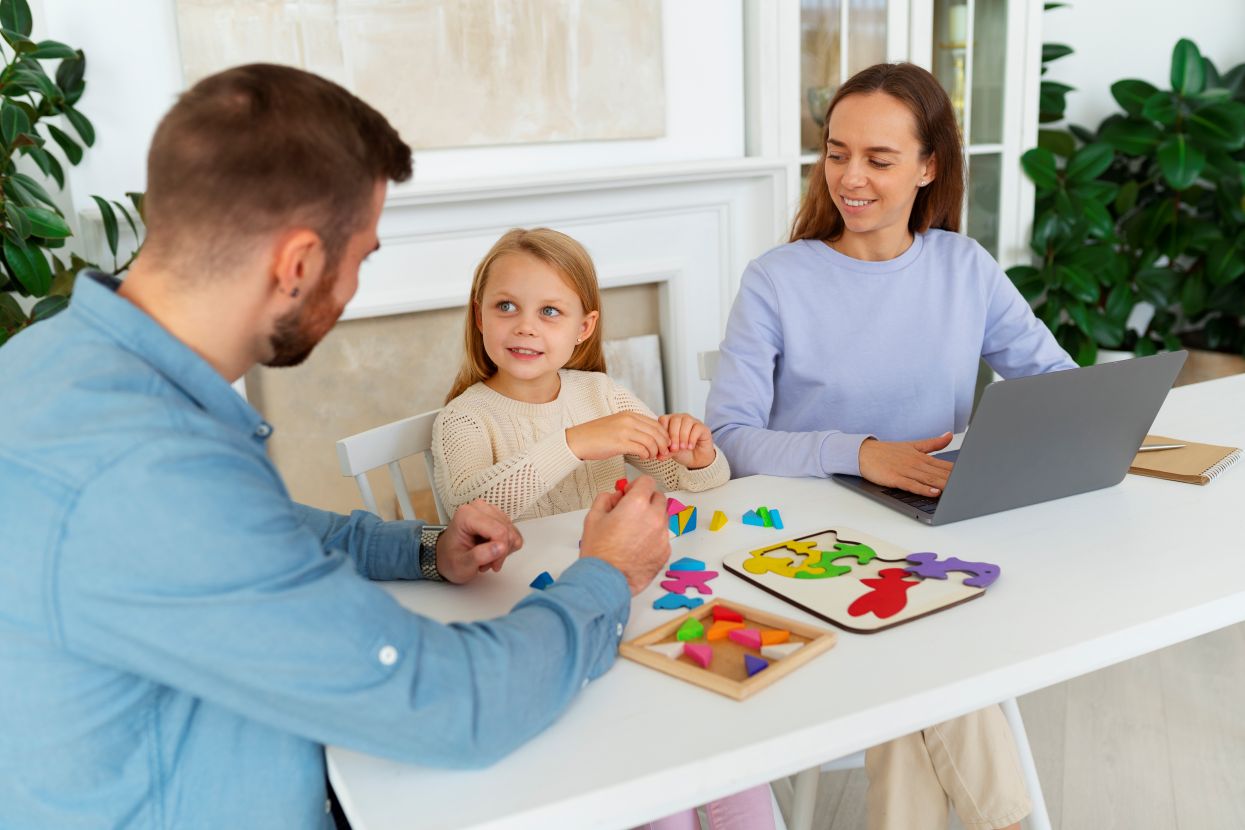
Learning how to manage emotions is one of the greatest gifts a child can receive for life. What a child learns in their early years about anger, fear, or sadness will shape how they relate to themselves and others throughout adulthood. In my work as a coach, I have often seen how deeply parents’ emotional responses influence their children’s emotional development. Teaching emotional maturity is not done through lectures, but through presence, listening, and example.
When a child cries, gets angry, or withdraws, they are not trying to challenge authority. They are trying to express something they do not yet know how to name. The parent’s role is not to shut down the emotion, but to translate it and make it understandable. This approach builds self-awareness, confidence, and empathy.
Welcoming emotions without judgment
A child first learns through the way a parent looks at them. When their emotions are received without punishment or ridicule, the child understands that their feelings are valid. This emotional validation is a fundamental foundation for future emotional balance.
When a child becomes angry, they are expressing a frustrated need: to be understood, to be heard, or to regain a sense of control. A parent’s first response should be calm acknowledgment: “I see that you’re angry. You wanted something different.” This simple reflection already eases part of the tension. The child feels they do not need to shout to be seen.
Welcoming an emotion does not mean accepting every behavior. An emotion can be acknowledged while a clear boundary is set. For example: “You’re allowed to be angry, but you’re not allowed to hit.” This clear distinction teaches emotional regulation.
Putting words to emotions
Children do not naturally have the emotional vocabulary to express what they feel. Naming emotions for them from an early age helps develop emotional intelligence.
Instead of saying, “Don’t cry,” a parent might say, “You’re sad because your toy broke. It’s normal to feel disappointed.” Over time, the child learns that emotions can be spoken about. This reduces impulsive behavior, emotional outbursts, and emotional shutdowns.
Games, emotion cards, or stories where characters experience similar situations can also be helpful. These tools create a shared emotional language between parent and child, making conversations about feelings easier and more natural.
Leading by example: adult consistency
Children learn mostly by observing. If a parent yells while telling a child to stay calm, the message is lost. Emotional consistency is therefore essential.
This does not mean parents must always be perfect or never feel angry. It means they can acknowledge their emotions honestly. Saying, “I’m tired and I need a moment of quiet,” is far more helpful than letting frustration explode. The child learns that emotions can be expressed without harming others.
Parents who cultivate their own emotional maturity offer a silent but powerful model. By observing this regulation, children develop a sense of safety and trust in the world around them.
Creating a climate of listening and empathy
Daily routines can become valuable learning moments. Mealtimes, the drive to school, or bedtime are opportunities to talk about emotions experienced during the day.
Asking simple questions such as, “How did you feel when your friend said that?” or “What made you feel proud today?” opens the door to conversations that strengthen emotional awareness.
The goal is not to correct, but to understand and support. When a child feels their inner world matters, they naturally learn to be empathetic in return. They begin to recognize emotions in others and to respect them.
Cultivating patience in emotional education
Emotional learning takes time. Some children are more expressive, others more reserved. There is no ideal pace. What matters is consistency and kindness. Progress is not always immediately visible; sometimes a softer tone or a more attentive look already makes a difference.
Parents may also feel overwhelmed by their own emotions. In those moments, seeking support is normal. Talking with a therapist, a friend, or other parents helps maintain balance without guilt.
Reminding a child that making mistakes is allowed teaches them that emotions are not dangerous. They are messengers, not faults.
School and community as allies
Emotional development does not happen only at home. Teachers, educators, and extended family also play a role in emotional education. Working together to create caring environments supports a child’s emotional stability.
School programs that include emotional regulation have already shown positive effects: better focus, fewer conflicts, and more cooperation among students. Families can reinforce this work by encouraging discussion and emotional expression at home.
Growing together
Helping a child understand their emotions also transforms the parent. In guiding a child, adults often learn more about themselves. This shared journey strengthens bonds and nurtures warmth within the family.
Emotional maturity is not an adult-only goal. It is built from the earliest years through simple daily gestures. Every moment of listening, every kind word, and every gentle boundary leaves a lasting imprint on a child’s heart.
To continue this reflection and explore how emotional maturity also shapes couple relationships, I invite you to read Emotional Maturity in a Relationship a valuable step toward building lasting harmony between partners.The lasting benefits of emotional maturity