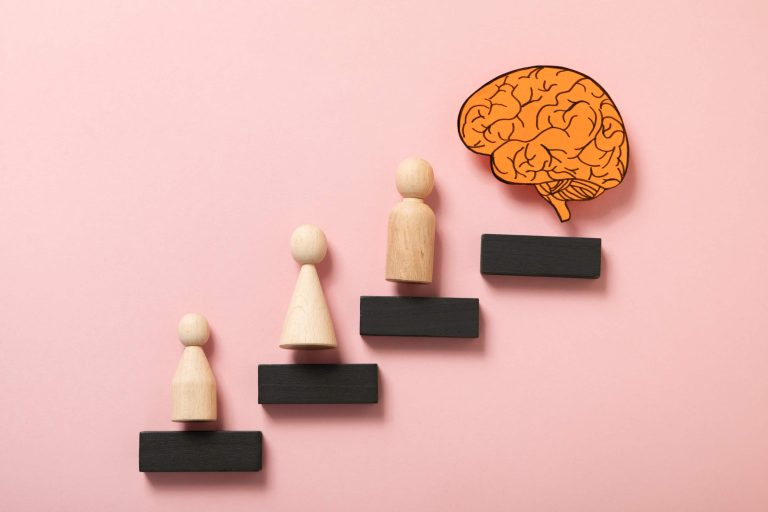
How to improve brain development: Tips & techniques

Discover practical tips and techniques to improve brain development and enhance cognitive, emotional, and learning abilities
Improving brain development involves a combination of nutrition, mental stimulation, physical activity, and emotional support. These strategies can optimize learning, memory, and resilience at every age.
There are practical ways to support growth, strengthen neural connections, and enhance cognitive, emotional, and social abilities. Understanding these strategies allows parents, educators, and caregivers to create environments that foster learning and resilience. For context on the stages of brain growth, the guide complete for nurturing neural potential provides a thorough overview.
Nutrition for optimal brain growth
A balanced diet is essential for supporting cognitive development. Nutrients such as omega-3 fatty acids, iron, zinc, and B vitamins contribute to neuron formation and neurotransmitter function. Protein supports the synthesis of chemicals that regulate mood, learning, and memory.
Including a variety of fruits, vegetables, whole grains, and healthy fats ensures the brain has the resources it needs to grow. Limiting processed foods and added sugars helps maintain stable energy levels and supports attention and memory.
Sleep and cognitive function
Sleep is critical for brain health. During deep sleep, the brain consolidates memories, clears waste, and strengthens neural connections. Children and adolescents require sufficient rest for optimal learning and emotional regulation, while adults benefit from sleep in maintaining focus, creativity, and problem-solving abilities.
Establishing consistent sleep routines and creating a calm, distraction-free environment enhances the brain’s ability to process and store information effectively.
Mental stimulation and learning
Engaging in activities that challenge the brain supports neuroplasticity. Reading, puzzles, music, and problem-solving exercises encourage the formation of new neural connections. Exposure to varied experiences broadens knowledge and strengthens cognitive flexibility.
For children, interactive play and exploratory learning enhance attention, reasoning, and memory. For adults, continuing education, new hobbies, or skill acquisition maintains cognitive sharpness and adaptability.
Physical activity and brain health
Exercise increases blood flow to the brain and stimulates the release of growth factors that promote neuron formation. Activities that combine movement with coordination, such as dancing, sports, or yoga, benefit both motor and cognitive development.
Regular physical activity also supports emotional regulation by reducing stress hormones and enhancing mood. Incorporating movement into daily routines is a simple but powerful way to boost brain function.
Emotional and social support
Healthy relationships and positive social interactions influence brain development. Emotional support from caregivers and peers fosters self-regulation, empathy, and resilience. Encouraging cooperative play, discussion, and problem-solving strengthens neural pathways associated with social cognition.
Managing stress through mindfulness, relaxation techniques, or safe expression of emotions supports overall brain health. Emotional well-being is closely linked to learning, memory, and decision-making abilities.
Creating a stimulating environment
An environment rich in sensory, cognitive, and social experiences encourages growth. Exposure to music, art, language, and varied activities promotes creativity and problem-solving skills. Limiting passive screen time while providing opportunities for exploration and hands-on learning strengthens neural development.
Consistency, encouragement, and curiosity-driven experiences support the brain’s natural ability to adapt and grow. Fostering a love for learning early creates a foundation for lifelong cognitive flexibility.
Long-term benefits
By incorporating these strategies, it is possible to enhance brain development and cognitive function at any age. Proper nutrition, sufficient sleep, mental stimulation, physical activity, and emotional support work together to build resilient, adaptable, and capable brains.
For insight into the factors that shape brain development daily, including environmental and behavioral influences, see the article on factors affecting brain development.