Self improvement goals: overcoming personal growth barriers

Recognizing common barriers
Even with clear goals and positive intentions personal growth is rarely a straight path. Parents often encounter invisible resistance that slows progress, even when motivation is strong. These barriers can appear as procrastination,fear self-doubt, distractions, or emotional fatigue. They do not mean failure. They are a natural part of any meaningful change process.
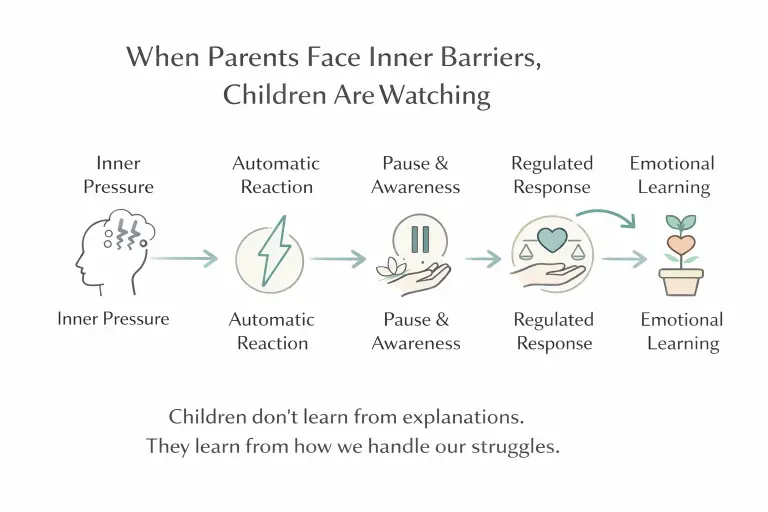
For parents, addressing these challenges personally before focusing on guiding children creates emotional stability and consistency at home.Children learn far more from what they observe than from what they are told. When a parent models patience problem-solving, and self-regulation in the face of obstacles, children internalize these behaviors naturally.
Recognizing barriers early prevents frustration from building into discouragement. Instead of labeling resistance as laziness or weakness, it becomes an invitation to adjust strategy pacing or expectations. Growth becomes flexible rather than rigid, supportive rather than demanding.
A helpful mindset is to treat obstacles as feedback rather than judgment Each barrier reveals where energy leaks, where emotional needs exist, or where systems need improvement. This approach keeps personal development grounded in realism and compassion.
Procrastination
Avoiding tasks often stems from emotional discomfort rather than poor discipline A parent may postpone journaling exercise or reflective practices simply because the activity triggers fatigue, uncertainty or mental resistance after a long day of caregiving and work.
Large goals feel overwhelming when they lack structure. Breaking them into small visible actions reduces psychological friction For example instead of committing to a 30minute daily reflection session, a parent may begin with writing three sentences each evening. Consistency matters more than intensity.
Procrastination also decreases when habits are attached to existing routines A short breathing pause after brushing teeth or a gratitude note while preparing morning coffee lowers the barrier to action. The brain prefers familiarity and simplicity.
Children benefit from witnessing this process. They learn that progress comes from persistence rather than perfection. A parent who openly says “I didn’t feel like doing this today but I started small” teaches emotional honesty and resilience.
Fear of failure
Fear often hides behind perfectionism. Many parents hesitate to try new habits or goals because they fear disappointing themselves wasting time, or appearing inconsistent. This fear can quietly freeze momentum.
Growth thrives on experimentation rather than flawless execution. Mistakes provide information, not judgment. When a parent allows themselves to learn through trial and error they normalize growth as a living process rather than a performance.
For example a parent learning emotional regulation may occasionally lose patience during stressful moments. Instead of abandoning the goal reflecting on what triggered the reaction strengthens awareness and future response Repair matters more than perfection.

Children absorb this mindset deeply When they observe adults recovering calmly from mistakes they learn courage, adaptability and self-trust. Fear loses its power when failure is reframed as learning.
Self-doubt
Self-doubt emerges when internal dialogue becomes overly critical or dismissive of progress Parents may minimize their efforts focusing only on what still feels unfinished or imperfect.
Building self-belief requires intentionally noticing growth. Small wins matter Keeping a brief log of positive moments calmer reactions, improved routines, healthier boundaries builds evidence of capability over time.
Language matters. Replacing “I never do this right” with “I’m learning and improving gradually” shifts emotional tone without denial Compassion creates psychological safety which strengthens persistence.
Children mirror this internal relationship. A parent who treats themselves with fairness teaches children self-respect, confidence and emotional stability.
Distractions

Modern life presents constant interruptions. Notifications social media, multitasking and overpacked schedules fragment attention and drain mental energy.
Creating intentional boundaries protects focus and emotional balance. Simple strategies include silencing notifications during reflective time designating tech-free windows or batching administrative tasks.
Simplifying environments reduces decision fatigue. Clear physical spaces support mental clarity. Even a small reset ritual tidying a desk or preparing tomorrow’s clothes restores cognitive calm.
Children observe prioritization habits closely. When they see adults protecting attention intentionally, they learn respect for focus, patience and healthy digital boundaries.
Lack of motivation
Motivation fluctuates naturally. Waiting to feel inspired often leads to inconsistency. Sustainable growth relies more on structure than emotional readiness.
Establishing routines transforms action into identity. When habits become automatic, they require less mental energy A short daily walk reflection practice, or learning window becomes part of rhythm rather than effort.
Accountability strengthens consistency. Sharing goals with a partner, friend or supportive group increases follow-through. External structure supports internal commitment.
Children benefit from witnessing consistency even on low-energy days. They learn reliability discipline, and emotional regulation through modeling.
Comparison with others
Comparing progress with others can create discouragement or impatience Social media amplifies unrealistic expectations and distorted timelines.
Growth is personal and nonlinear. Each family operates within unique constraints, values and capacities. Measuring success against internal alignment rather than external standards preserves emotional stability.
A helpful practice is reflecting on personal improvement relative to past self rather than others Even subtle growth accumulates over time.
Children internalize this orientation toward authenticity. They learn to respect individuality and avoid external validation dependency.
Emotional fatigue
Chronic caregiving and responsibility naturally deplete emotional reserves Ignoring fatigue increases risk of burnout and emotional reactivity.
Rest is not laziness.It is physiological maintenance. Small restorative pauses short walks quiet breathing, gentle stretching replenish nervous system capacity.

Listening to early fatigue signals allows proactive adjustment rather than crisis response. Self-care becomes preventative rather than reactive.
Children learn balance when parents model healthy pacing and self-respect.
Anticipating obstacles and planning responses transforms challenges into learning opportunities Growth becomes resilient rather than fragile. Addressing these barriers first strengthens the parent’s foundation, which naturally improves parenting outcomes.
For practical strategies to maintain momentum and sustain growth over time parents can explore the guide Self improvement habits to boost daily personal growth