Self improvement habits to boost daily personal growth
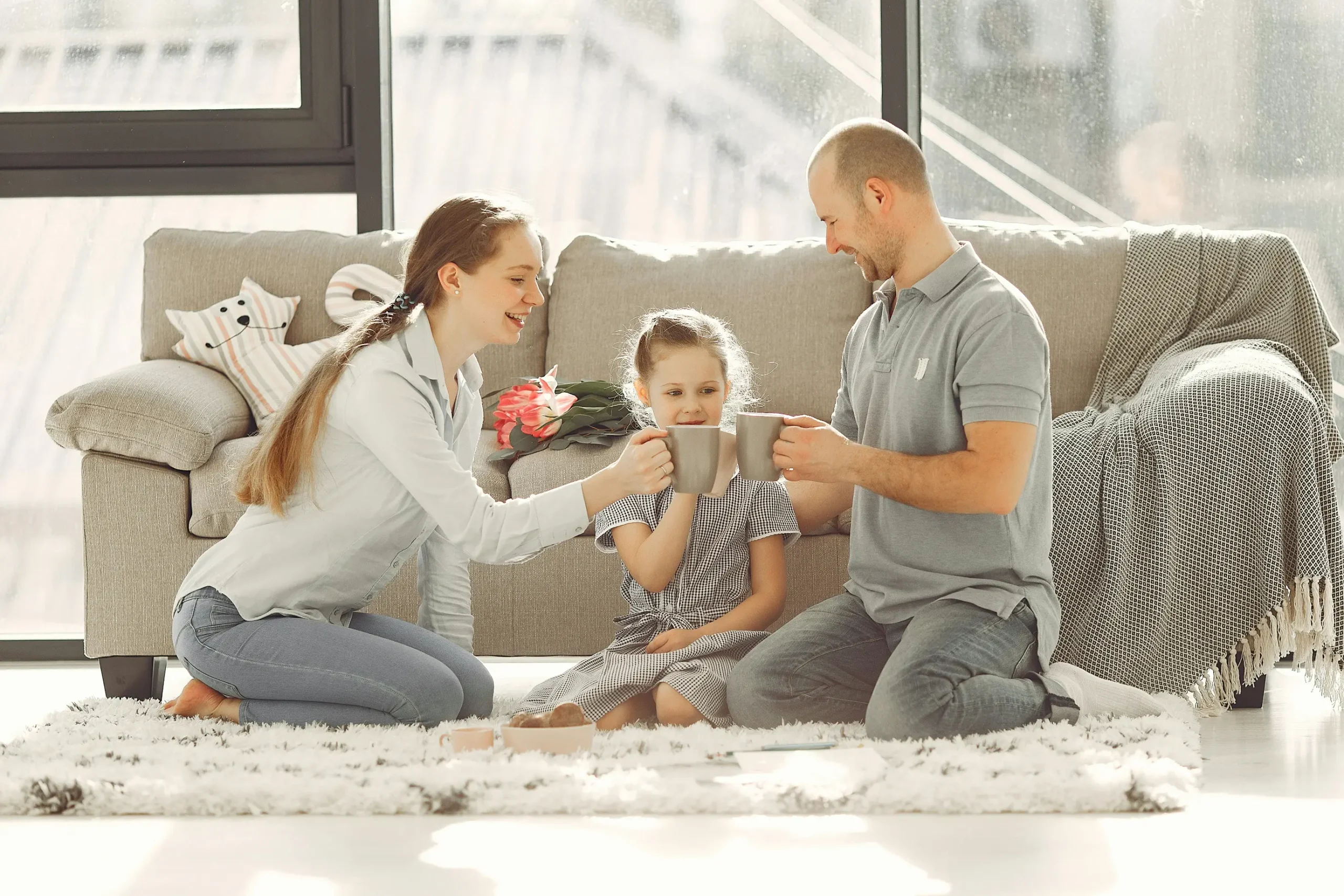
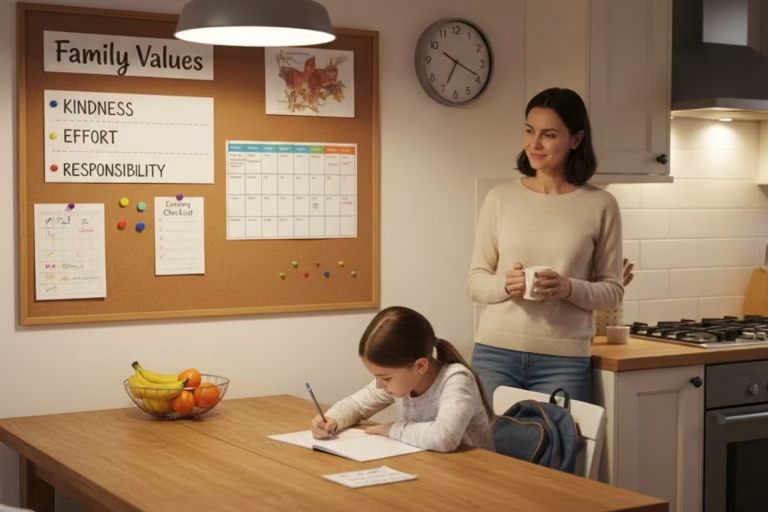
Personal growth is not built through dramatic transformations or rigid self-discipline. For parents growth happens quietly through small daily choices that shape emotional stability, clarity and presence. When habits become supportive rather than demanding, they naturally influence the family environment. Children absorb what they observe far more than what they are told. A parent who practices steady self-improvement models calm decision-making, resilience and consistency without needing to lecture or correct constantly.
Daily habits function like gentle anchors throughout the day They stabilize reactions during stressful moments, improve patience during conflict and create internal space for thoughtful responses instead of automatic reactions. Over time, these habits build a strong internal foundation that supports both personal well-being and healthy parenting dynamics.
Daily habits for parents
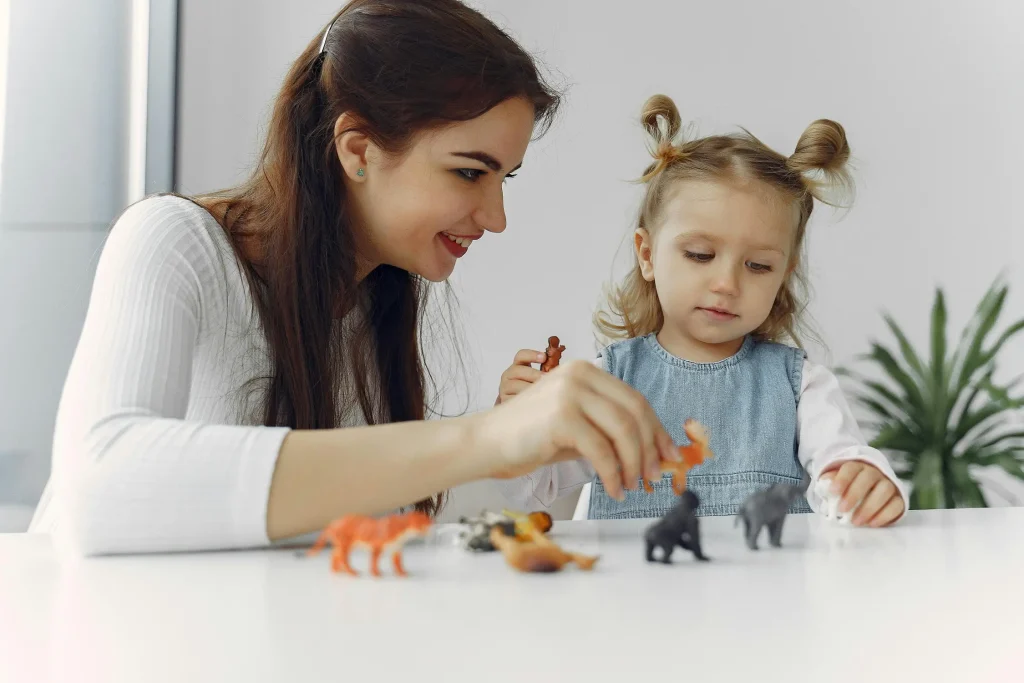
Daily habits are the building blocks of lasting personal growth. For parents, cultivating habits like reflection mindfulness, movement, and gratitude before focusing on children’s behavior strengthens emotional regulation and mental clarity This shift prevents parenting from becoming reactive or driven by exhaustion.
A habit does not need to consume large amounts of time to be effective. Five minutes of intentional attention practiced consistently can be more powerful than occasional long sessions. The nervous system responds to repetition and predictability. When parents integrate small habits into their routines the mind learns to stabilize even during unpredictable days.
For example a parent who begins each morning with two minutes of quiet breathing creates a mental buffer before the day’s demands begin Another parent may end the day with a short written reflection to release mental clutter before sleep These habits regulate stress before it accumulates reducing emotional overload and irritability.
Daily habits also create internal consistency. When actions align with values and intentions confidence increases and self-trust strengthens This inner stability transfers naturally into parenting decisions, helping parents respond thoughtfully rather than react impulsively during moments of tension or fatigue.
Reflection
Reflection builds awareness. Without reflection, patterns repeat unconsciously. Parents often move through their days on autopilot, responding to situations without noticing emotional triggers, energy levels, or recurring stress points.
Spending a few minutes each day reviewing thoughts, emotions, and behaviors creates space between stimulus and reaction. Reflection can be as simple as asking:
- What moments felt most stressful today?
- What helped me stay calm or grounded?
- Where did I react instead of responding?
- What small success did I notice in myself?
Writing these reflections down strengthens memory and insight. Over time, patterns become visible. A parent may notice that impatience spikes during late afternoons or that stress increases when multitasking. Awareness allows for adjustments rather than self-criticism.
Reflection also supports emotional accountability without blame. Instead of judging mistakes, parents can observe them neutrally and learn from them. This mindset reduces guilt and increases adaptability.
A practical example: a parent notices through journaling that bedtime routines consistently create frustration. Instead of blaming the child or feeling inadequate, the parent adjusts expectations, simplifies the routine, or introduces calming transitions. Reflection transforms challenges into opportunities for improvement.
Continuous learning
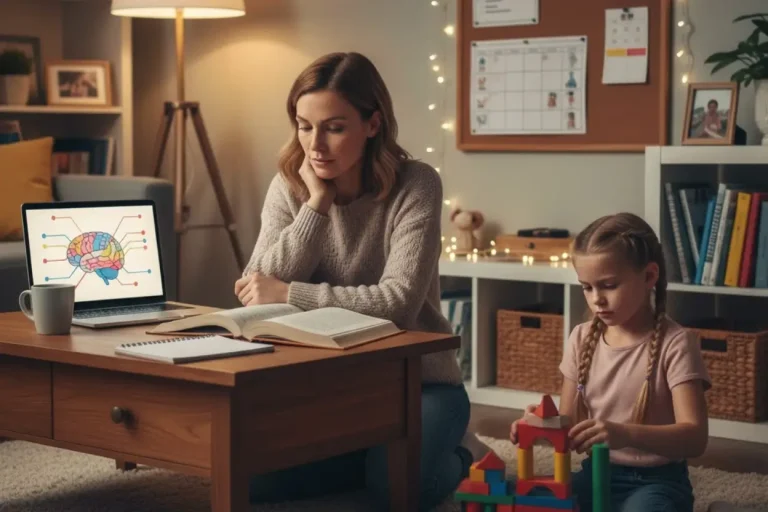
Growth remains active when curiosity stays alive. Continuous learning keeps the mind flexible and open to new perspectives. Parents who explore ideas, skills, or perspectives demonstrate adaptability and humility to their children.
Learning does not require formal education It can include reading short articles, listening to podcasts during commutes observing parenting dynamics or practicing emotional skills Exposure to new ideas prevents rigid thinking and reduces frustration when situations change.
For example, a parent who learns about child development stages may better understand emotional outbursts rather than personalizing them. Another parent who explores communication strategies may improve conflict resolution with both children and partners.
Continuous learning also nurtures patience. When parents recognize that growth is gradual they become less reactive when progress feels slow. Curiosity replaces judgment.
Children absorb this mindset naturally. Seeing a parent read, ask questions or seek feedback teaches lifelong learning without pressure. The family culture becomes oriented toward growth rather than perfection.
Mindfulness practices
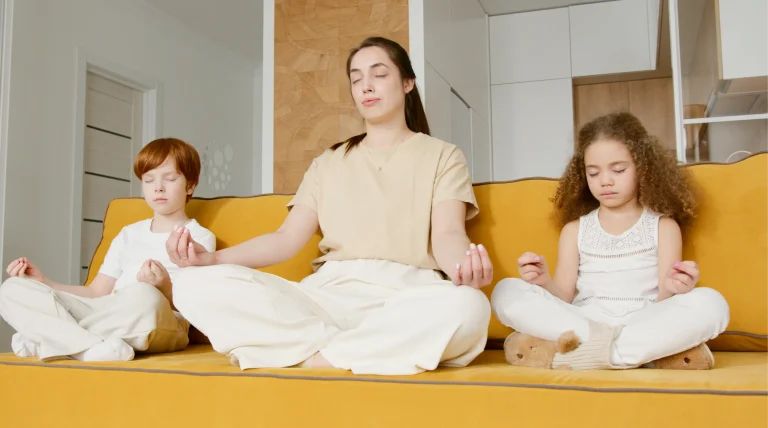
Mindfulness strengthens attention and emotional regulation. It allows parents to observe thoughts and sensations without immediately reacting This creates a buffer against impulsive responses especially during stressful moments.
Mindfulness does not require silence or long meditation sessions. Small practices integrated into daily routines are effective:
Taking three slow breaths before responding to a child
Feeling feet on the floor during moments of overwhelm
Noticing body tension and releasing shoulders or jaw
Pausing for one minute between tasks
These micro-pauses recalibrate the nervous system. They reduce accumulated stress and prevent emotional escalation.
For example during a morning rush, a parent may feel frustration rising. Instead of reacting sharply a brief pause to breathe allows clarity to return. The response becomes calmer and more constructive.
Mindfulness also improves emotional awareness. Parents become more attuned to early signs of fatigue or irritation allowing preventive care rather than crisis management.
Over time mindfulness cultivates presence. Conversations become more attentive Listening improves. Emotional connection strengthens naturally without forced effort.
Physical well-being
The body strongly influences emotional stability and cognitive clarity. Regular movement, stretching, hydration, and sleep hygiene directly affect patience mood, and concentration.
Physical well-being does not require intense workouts Simple consistency matters more than intensity:
Short walks
Light stretching in the morning
Gentle strength exercises
Conscious posture and breathing
Adequate hydration
Movement releases accumulated tension and improves circulation, which enhances focus and energy. Even brief activity resets mental fatigue.
For parents, physical care often feels secondary. However neglecting the body amplifies irritability and exhaustion Small investments in physical well-being prevent long-term burnout.
Children also observe how parents care for their bodies. Modeling balanced movement teaches self-respect and sustainability rather than extreme discipline or neglect.
Gratitude
Gratitude shifts attention from scarcity to appreciation. This mental reorientation stabilizes mood and reduces chronic stress. Recognizing small positives retrains the brain to notice progress rather than deficits
Gratitude does not ignore challenges. It balances perspective. Even difficult days contain moments of connection, effort, or learning.
Simple gratitude practices include:
Writing three small positives each evening
Noticing one moment of calm during the day
Expressing appreciation to a family member
Acknowledging personal effort rather than outcome
For example, instead of focusing solely on a child’s difficult behavior, a parent may notice a moment of cooperation or kindness. This reframes emotional memory and reduces frustration.
Gratitude also strengthens resilience. It buffers against negativity bias and emotional fatigue, allowing parents to remain grounded during stress.
Tracking progress
Monitoring habits and reviewing progress strengthens motivation and clarity Without tracking, growth can feel invisible leading to discouragement.
Tracking does not require perfection. Simple methods work best:
Weekly reflection notes
Habit checklists
Brief monthly self-review
Small goal tracking
The purpose is awareness, not pressure. Observing consistency builds confidence and reinforces progress.
Tracking also identifies obstacles early If a habit consistently fails, adjustments can be made rather than abandoning the effort.
For example a parent tracking mindfulness practice may notice consistency drops during busy weeks. Instead of quitting, the practice is shortened to one minute, preserving continuity.
Small visible wins accumulate into sustainable momentum.
Support and accountability

Growth strengthens when supported by connection. Sharing goals with trusted people increases consistency and emotional safety.
Support can come from:
Friends
Mentors
Parenting communities
Accountability partners
Healthy accountability provides encouragement rather than pressure. It offers perspective during discouraging moments and reinforces motivation.
Social support also reduces isolation and normalizes challenges. Parents realize growth is collective, not solitary.
When growth is shared, resilience increases and burnout decreases.
To structure these habits within a clear and realistic framework parents can explore how to create a personal development plan that supports long-term self growth Personal growth definition: What self growth really means?