Personal development goals: create your self growth plan

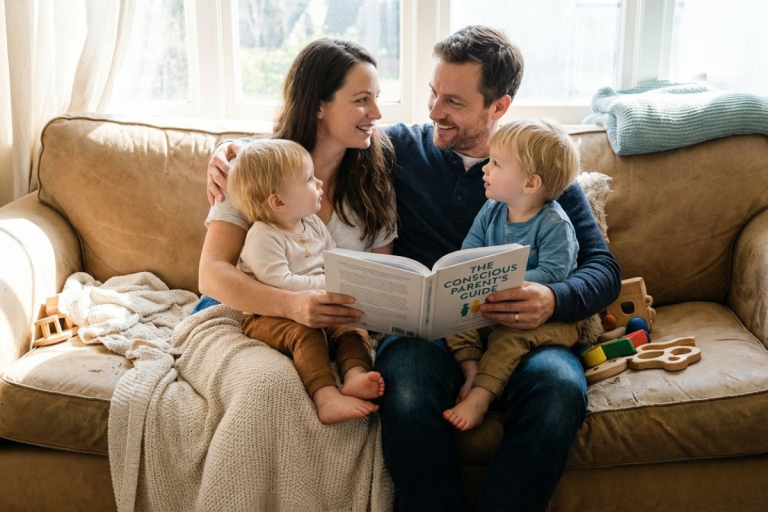
Personal growth is not a luxury reserved for moments of calm or extra time. For parents, personal development is often the foundation that allows stability, emotional presence, and healthy leadership within the family. When adults intentionally work on their own growth, children benefit indirectly through stronger emotional regulation, clearer boundaries, and more consistent behavior modeling.
A self growth plan is not about becoming perfect or endlessly productive. It is about creating a realistic structure that supports steady progress in areas that matter most: emotional balance, patience, communication, resilience, and clarity of purpose. Small, intentional changes accumulated over time can transform daily parenting experiences and long-term family well-being.
Setting goals for personal growth
Setting personal development goals gives structure to growth. Without direction, improvement often becomes reactive rather than intentional. Parents may feel busy all day yet disconnected from meaningful progress in their inner life. Defining goals creates clarity and helps transform vague intentions into measurable direction.
For parents, growth goals often focus on emotional capacity rather than performance. Improving patience during morning routines, managing stress after work, or developing stronger listening skills with children are examples of realistic goals that directly influence family dynamics. These goals are not abstract ambitions; they shape how daily interactions unfold.
A helpful starting point is to observe recurring emotional patterns. For example, a parent who notices frequent frustration during homework time may choose a goal related to emotional regulation or communication rather than simply enforcing stricter rules. Another parent struggling with exhaustion may focus on sleep routines or boundary setting around work hours.
Well-defined goals should remain compassionate and attainable Growth happens through consistency not pressure. Instead of framing goals as obligations framing them as support systems for personal stability helps maintain motivation over time. When goals align with real daily needs progress becomes naturally reinforcing rather than forced.
Reflection to identify priorities
The first step in creating development goals is reflection. Parents benefit from regularly stepping back to examine what truly needs attention rather than reacting only to urgent demands. Reflection allows patterns to surface: emotional triggers, recurring conflicts, or habits that drain energy.
One effective reflection method is journaling short prompts such as:
- When did I feel most calm this week?
- What situations triggered stress or impatience?
- Which moments felt most connected with my child?
- Where do I consistently feel overwhelmed?
These reflections reveal where growth will have the greatest impact. For example, a parent may realize that mornings feel rushed not because of poor organization but because of internal pressure to control every detail. This insight shifts the growth focus from logistics to mindset.
Reflection also helps clarify how personal growth directly affects children. When parents model calm responses, emotional honesty, and flexibility, children naturally internalize those behaviors. Writing down intentions strengthens commitment and makes abstract values visible. It transforms vague wishes into concrete priorities that can guide daily choices.
Regular reflection prevents goals from becoming disconnected from real life. It keeps the growth plan responsive rather than rigid and encourages continuous learning rather than perfectionism.
Breaking goals into small steps

Large goals can feel overwhelming and abstract Parents often abandon growth plans because the steps feel too demanding or unclear. Breaking goals into small manageable actions creates momentum and builds confidence
For example, if the goal is emotional regulation, the first step might be a simple daily pause to notice breathing before responding during stressful moments A parent working on communication might begin by practicing one active listening technique during dinner conversations. These micro-actions gradually reshape habits without adding pressure.
Small steps reduce resistance. Instead of aiming for dramatic transformation parents focus on consistency. Five minutes of daily reflectionone intentional pause before reacting, or one mindful boundary adjustment each day can accumulate into lasting change.
Tracking these small actions helps reinforce progress. Parents often underestimate how much growth occurs quietly over time Celebrating small wins keeps motivation alive and reinforces self-trust.
Breaking goals into steps also allows flexibility If one approach does not work adjustments can be made without abandoning the entire growth plan. This keeps progress sustainable and emotionally safe.
Prioritization and alignment with values
Not all goals carry equal importance. Prioritization ensures energy is invested in areas that truly matter rather than scattered across too many objectives When parents align goals with core values decisions become clearer and more consistent.
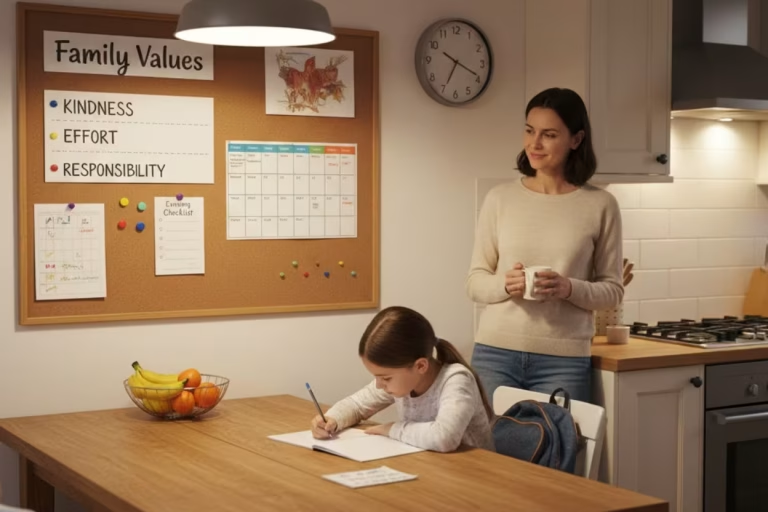
Values may include emotional stability, respect connection responsibility, or curiosity. A parent who values emotional safety may prioritize conflict regulation over household perfection. Another who values learning may focus on modeling curiosity rather than enforcing rigid routines.
Clarifying values prevents reactive goal setting driven by guilt social comparison, or external pressure. Instead of chasing trends or unrealistic standards, parents build growth paths that match their family culture and long-term vision.
Value alignment also improves decision-making under stress When priorities are clear choices feel less conflicted Parents can confidently say no to certain demands in order to protect what truly supports well-being.
Children benefit from observing value-driven consistency They learn that actions align with principles rather than impulse, reinforcing emotional security and trust within the family environment.
Accountability and tracking
Accountability strengthens commitment and turns intention into measurable progress. Growth becomes more tangible when parents track behaviors reflections, or emotional patterns over time.
Simple tools work best. A notebook digital notes app or weekly check-in reminder can provide structure. Tracking does not require perfection; it simply creates awareness. Noticing patterns allows parents to adjust strategies based on what actually works.
Sharing goals with a trusted friend, partner or supportive community adds gentle accountability and emotional encouragement. External perspective often provides reassurance and motivation without judgment.
Regular review helps refine goals. Life circumstances evolve, and growth plans must remain adaptable. Monthly or quarterly reflection allows parents to assess what feels sustainable, what needs adjustment, and what progress deserves recognition.
Accountability also protects against discouragement. Growth is rarely linear Tracking progress highlights gradual improvement even during challenging phases, reinforcing patience and self-compassion.
Flexibility and adaptation
Life is unpredictable, especially in family environments. Growth plans must allow flexibility rather than rigid expectations. Adjusting goals does not signal failure; it reflects responsiveness and emotional intelligence.
A parent may temporarily shift priorities during a child’s illness, job transition or family change. Maintaining adaptability prevents guilt and burnout Growth is not a race but an evolving process that respects real-life constraints.
Flexibility also supports emotional resilience. When setbacks occur, parents can reinterpret them as feedback rather than personal shortcomings. This mindset strengthens long-term consistency and emotional safety.
Adaptation teaches children valuable lessons about resilience, problem solving, and self-compassion. When parents openly model adjusting expectations, children learn that growth includes experimentation and learning rather than perfection.
Over time flexible growth planning becomes a stabilizing anchor rather than an additional pressure point.

Action bridges intention and results. Consistent practice of habits, reflection, and emotional awareness transforms goals into lived experience. Growth compounds gradually, shaping identity and daily behavior in meaningful ways.
A personal development plan is not about fixing flaws but nurturing strengths. When parents invest in their own clarity, emotional stability, and intentional growth, they create a healthier environment where children naturally thrive.
For deeper structure and long-term guidance many parents benefit from connecting their goals within a broader framework of daily habits and intentional self development such as How to measure personal growth progress to stay motivated ?