Personal growth definition: What self growth really means?

Understanding self growth
At its core, self growth is about observation and intentional change. It is not about fixing flaws or becoming someone else. It is the gradual process of understanding how you think, feel react and make choices and then gently adjusting those patterns when they no longer serve you or your family.
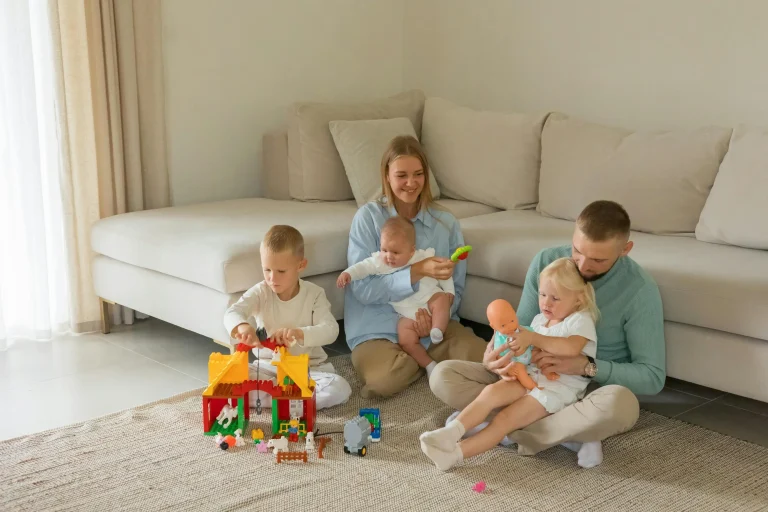
For parents, this awareness becomes especially important because children learn more from what they observe than from what they are told. A parent who notices their own reactions, triggers and habits creates a calmer and more predictable environment. When a stressful moment arises a sibling argument, a rushed morning a forgotten homework folder awareness allows a parent to pause instead of reacting automatically.
For example: a parent may notice that impatience spikes when time pressure appears in the morning routine. Simply recognizing this pattern allows small adjustments: preparing backpacks the night before waking up ten minutes earlier, or practicing one slow breath before speaking These small shifts reduce tension without requiring perfection.
Self growth also includes noticing internal dialogue. Many parents carry silent expectations such as “I should always stay calm” or “I must handle everything myself.” Awareness allows these beliefs to soften. Instead of pushing harder growth often means learning when to slow down ask for help or simplify expectations.
Over time this self-observation builds emotional stability. Children benefit from seeing a parent who can regulate themselves, acknowledge mistakes calmly, and model flexibility. Growth does not require dramatic transformation. It grows quietly through attention honesty, and consistent small adjustments.
Emotional awareness and regulation

Managing emotions is a central pillar of personal development. Emotional awareness means recognizing what you feel before those feelings spill into behavior? Regulation means responding thoughtfully instead of reacting impulsively.
In daily parenting life, emotions surface constantly: frustration during homework battles, worry when a child struggles socially exhaustion after long workdays, guilt when patience runs thin. Without awareness, these emotions can leak into tone of voice, body languageor decision-making without intention.
A simple example is noticing tension in your body during a conflict. Tight shoulders, shallow breathing, or clenched jaw often signal rising stress. Pausing for two slow breaths before responding can prevent escalation. This small regulation skill protects both the parent’s nervous system and the child’s emotional safety.
Emotional regulation does not mean suppressing feelings. It means acknowledging them without letting them control behavior. A parent might say internally “I feel overwhelmed right now” instead of acting on irritation That awareness alone often reduces intensity.
Children absorb this skill naturally. When they see a parent pause, name feelings calmly, and recover from mistakes, they learn emotional literacy and resilience without formal instruction. Over time this creates a home environment where emotions are safe rather than threatening.
Alignment with personal values
Self growth deepens when actions align with personal values. Values act as internal compass points that guide choices boundaries, and priorities. When parents operate from values rather than pressure or urgency, decisions feel more grounded and consistent.
Common parenting values include respect, patience honesty, health, learning, or connection. Without clarity, daily decisions become reactive. A parent might say yes to every request out of guilt, rush constantly due to external pressure, or overextend themselves trying to meet unrealistic standards.
When values are clear, choices simplify For example, if connection is a core value, a parent may choose to protect shared meals or bedtime routines even when schedules feel busy. If health is important, small routines like regular walks or mindful breaks become easier to maintain without self-judgment.
Alignment also reduces internal conflict. Many parents feel tension between what they believe matters and how their days actually unfold. Clarifying values helps bridge that gap gradually. Growth does not require perfect consistency only intentional direction.
Children benefit from this stability. They observe adults making thoughtful choices rather than reacting emotionally or socially. This models integrity and responsibility naturally.
Small steps for meaningful change
Personal growth rarely happens through dramatic resolutions or massive overhauls. It happens through small, consistent steps repeated over time. These micro-adjustments build confidence, resilience, and sustainable habits.
A parent who wants to become more patient might start with a single practice: pausing before responding during one challenging moment per day. Another might choose to journal for three minutes in the evening to reflect on emotions. These steps feel manageable even during busy schedules.
Small changes reduce overwhelm. Large goals often trigger avoidance or guilt when life becomes unpredictable. Tiny actions fit into real family rhythms without adding pressure.
Progress becomes visible through consistency. Over weeks and months, patterns shift gently. Emotional reactions soften. Awareness increases. Energy stabilizes. Confidence grows quietly.
Children witness this patience with oneself. They learn that growth is gradual forgiving, and grounded in effort rather than perfection.
Connection between self growth and parenting
Self growth and parenting are deeply interconnected. A parent’s internal state directly shapes the emotional climate of the home. When parents cultivate awareness, regulation, and alignment daily interactions become calmer and more intentional.
This does not mean parenting becomes effortless. Challenges remain. What changes is the quality of response. A regulated parent navigates conflict with steadiness rather than reactivity. A grounded parent sets boundaries with clarity rather than guilt. A reflective parent repairs mistakes openly instead of hiding them.
Children benefit from emotional safety, predictable responses, and consistent modeling. They develop stronger self-regulation skills simply by observing healthy adult behavior. Growth becomes contagious in a quiet way.

This internal foundation also reduces burnout risk. When parents operate from awareness and values rather than constant pressure, energy is preserved. Emotional reserves replenish more easily. The nervous system recovers faster after stress.
Self growth therefore supports both personal well-being and family stability. It is not a selfish pursuit. It is a form of responsibility toward the emotional health of the household.
Building awareness in daily routines
Awareness does not require special tools or long meditation sessions. It grows naturally through brief check-ins woven into everyday moments.
A parent might notice their breathing while waiting at a traffic light. Another may reflect briefly after a difficult interaction. Some parents write one sentence in a notebook before bed. Others simply pause before responding during conflict.
These small moments accumulate into meaningful awareness. Over time, parents begin recognizing emotional patterns earlier noticing stress signals sooner and adjusting responses more easily.
Awareness also includes recognizing limits. Fatigue, overload and emotional saturation are normal. Respecting limits prevents chronic exhaustion and resentment.
This gentle attention creates stability that benefits the entire family ecosystem.
Letting go of unrealistic expectations
One obstacle to self growth is the pressure to improve quickly or perfectly Many parents carry high expectations shaped by culture, comparison or internal standards. This pressure often undermines growth by creating guilt and rigidity.
Growth is not a performance. It is a process of learning, adjusting and forgiving oneself repeatedly. Mistakes are part of integration not failure.
Letting go of unrealistic timelines allows progress to feel sustainable. Some habits take months to stabilize. Emotional regulation strengthens gradually. Patience deepens through repetition.
Parents who allow imperfection model resilience for their children. They show that learning continues throughout life and that effort matters more than flawless results.
Integrating self growth into real life
Self growth does not require isolation from family life. It integrates directly into real moments: school mornings, dinner conversations, bedtime routines work transitions.
For example:
• Taking one mindful breath before responding to a child’s frustration.
• Reflecting briefly after a challenging interaction.
• Noticing bodily tension and stretching gently.
• Choosing one value-aligned decision per day.
• Allowing small adjustments rather than complete overhauls.
These practices fit into ordinary life without disruption. Over time they compound into emotional stability and clarity. Growth becomes less about changing who you are and more about becoming more fully yourself.
Long-term benefits of consistent self growth
When practiced consistently self growth builds emotional resilience, clearer communication healthier boundaries, and greater self-trust. Parents feel more grounded, less reactive, and more confident navigating complexity.
Families experience reduced conflict intensity, faster emotional recovery and stronger relational safety. Children grow within a stable emotional environment that supports healthy development.
This foundation supports long-term well-being rather than short-term productivity.

For parents ready to deepen these foundations and structure their mindset further the next step explores essential guiding values and consistency in growth Core principles of personal growth for a strong mindset