Self growth the key to conscious parenting
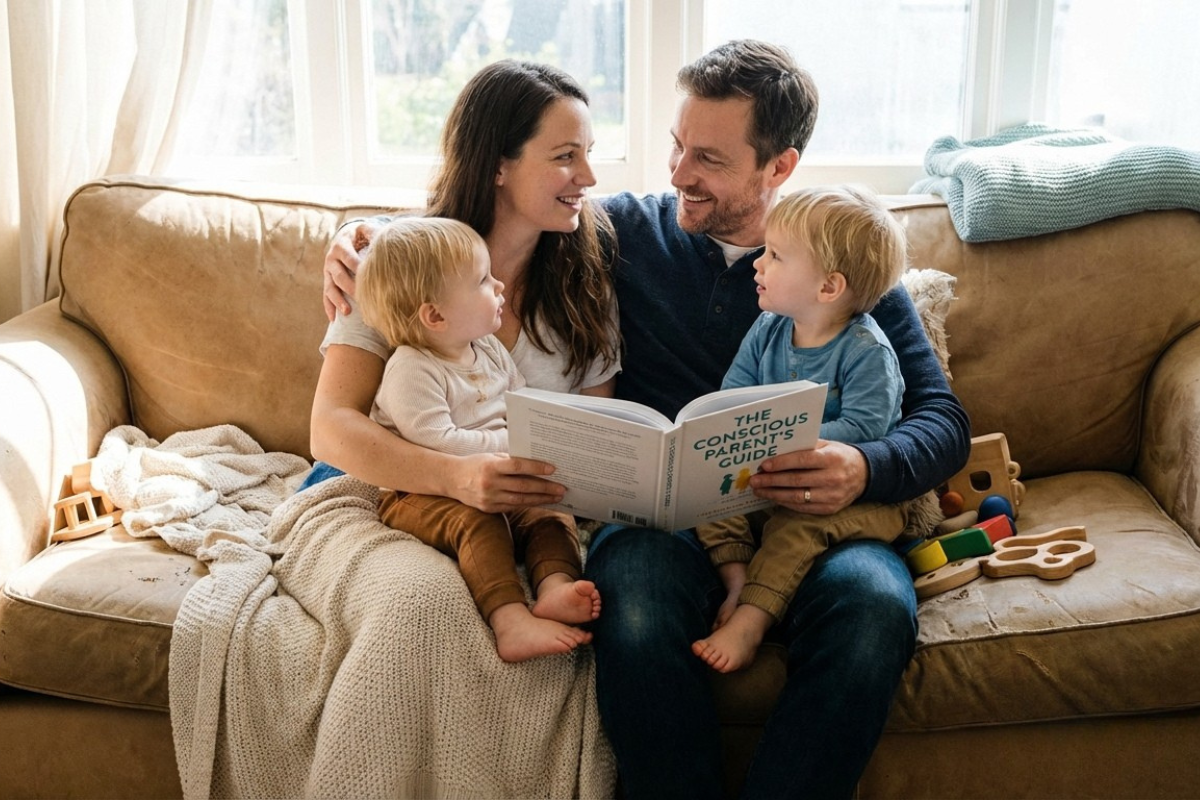
Self growth is the foundation for conscious parenting. Parents who understand themselves and cultivate awareness before trying to guide their children are better equipped to respond thoughtfully, manage emotions, and make intentional choices. Growth is not about perfection; it is about alignment with personal values, clarity in decision-making, and developing habits that foster calm and resilience.
When parents prioritize self growth, they create a stable and supportive environment. Children naturally observe and emulate behaviors, meaning that internal development in the parent directly benefits the child’s emotional and cognitive growth. This approach ensures that guidance is authentic, consistent, and sustainable.
Understanding self growth

Self growth is about observing and evolving your thoughts, behaviors, and emotional responses. For parents, this understanding must come before focusing on children, because it sets the foundation for conscious and effective guidance. Awareness of triggers, habitual reactions, and patterns allows parents to respond intentionally rather than react impulsively.
Emotional regulation is central to this process. Parents who recognize and manage their emotions create a calm atmosphere where children feel safe and understood. Awareness and self-control reduce stress, foster patience, and improve relationships within the family.
Aligning actions with personal values strengthens the impact of growth. When parents pursue goals and habits in line with their beliefs, they model consistency and integrity. Children pick up on these cues and learn through observation that intentional behavior matters more than rules alone.
Even small daily practices like brief reflection sessions or noting moments of gratitude compound over time. Parents who focus on self growth notice improvements in patience, clarity and presence, creating a ripple effect that positively shapes their children’s behavior and mindset.
For further exercises and insights into defining self growth as a parent, see Personal Growth Definition: What Self Growth Really Means
Core principles that build a strong mindset in parenting
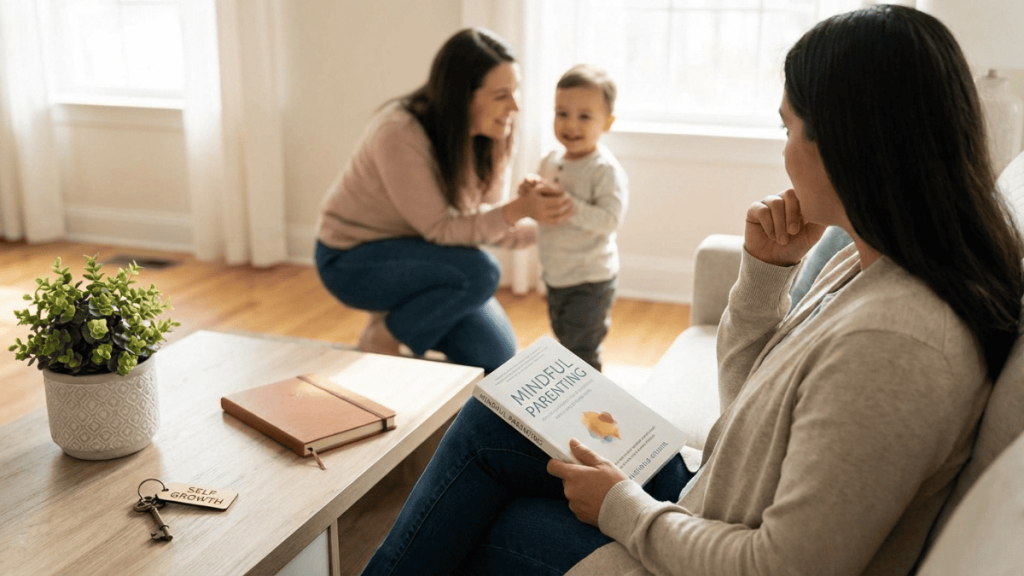
A strong mindset in parenting is not about suppressing emotions or maintaining constant control. It is built on a small set of internal principles that guide behavior consistently, even under pressure. These principles shape how parents interpret challenges, make decisions, and recover from difficult moments. When they are clear and practiced regularly, they create emotional stability that children can feel.
Key principles include:
- self-awareness
- responsibility
- clarity of values
- emotional resilience
- consistency
The first principle is self-awareness. Parents who understand their emotional patterns recognize triggers before they escalate. Awareness creates space between feeling and action. This space allows parents to respond thoughtfully instead of reacting impulsively. Over time, this reduces conflict and builds trust.
Responsibility is another core principle. Taking responsibility does not mean self-blame. It means recognizing influence. Parents cannot control outcomes, but they can control tone, boundaries, and presence. This mindset restores a sense of agency and reduces feelings of helplessness during challenging phases.
Clarity of values provides direction. When parents know what matters most, decisions become simpler. Instead of reacting to external pressure or comparison, choices align with long-term priorities such as emotional safety, respect, or connection. Children benefit from consistent messages and predictable responses.
Emotional resilience allows parents to stay grounded when plans fail or stress accumulates. Resilience does not eliminate fatigue or frustration. It supports recovery. Parents learn to regulate emotions, accept imperfections, and continue without harsh self-judgment.
Finally, consistency transforms principles into identity. Small repeated actions reinforce self-trust and emotional regulation. Consistency matters more than intensity. Over time, these principles shape a calm and purposeful parenting presence.
To explore these foundations in more depth and understand how each principle supports long-term emotional stability the page What core principles of personal growth for a strong mindset expands on how these elements work together in daily family life.
Turning personal growth into a clear and realistic plan
Personal growth becomes sustainable when it moves from intention to structure. Without a clear plan, parents often rely on motivation alone, which fluctuates with fatigue, workload, and family demands. A growth plan provides direction without pressure. It helps parents focus energy on what truly supports emotional balance and consistency at home.

A realistic plan starts with reflection. Parents benefit from identifying moments that repeatedly create stress, disconnection, or emotional overload. These patterns reveal where growth will have the greatest impact. Instead of trying to improve everything at once, focusing on one or two priority areas creates clarity and reduces overwhelm.
Breaking growth goals into small steps is essential. Large objectives feel abstract and easy to postpone. Small actions feel achievable A short daily pause before responding, a brief evening reflection or a simple boundary around rest time can gradually reshape emotional habits. These steps build momentum without adding pressure to already full schedules.
Alignment with values keeps the plan meaningful. When goals reflect what parents genuinely care about, consistency becomes easier. Growth stops feeling like another task and starts functioning as support. Values act as a compass, guiding decisions during stressful moments and helping parents say no to what drains energy unnecessarily.
Accountability strengthens follow-throughTracking small actions, reviewing progress monthly, or sharing intentions with a trusted person keeps growth visible. This visibility reduces self-criticism and reinforces confidence, especially when progress feels slow.
A personal growth plan is not rigid. It adapts as children grow and family dynamics change Flexibility allows parents to adjust goals without abandoning the process, preserving emotional stability over the long term.
For a structured approach that explains how to define priorities, break goals into steps and align growth with daily parenting realities the pagePersonal development goals: create your self growth plan offers practical guidance tailored to parents.
Measuring progress to stay consistent and motivated

Personal growth often feels invisible, especially for parents managing daily responsibilities. Progress rarely appears as dramatic change. It shows up quietly in calmer reactions, clearer boundaries, and improved emotional awareness. Without measurement, these shifts can go unnoticed, leading parents to believe they are stuck even when meaningful growth is happening.
Measuring progress transforms effort into feedback. It helps parents move away from perfection-based expectations and toward realistic evaluation. Noticing improvement over time builds confidence and reinforces consistency, even during demanding phases of family life.
Simple tracking methods are often the most effective. Journaling a few lines at the end of the day creates a record of emotional patterns, reactions, and small wins. Habit tracking, whether on paper or digitally, makes consistency visible and reinforces commitment. These tools are not about control. They are about awareness.

Regular goal review keeps growth aligned with real life. Family dynamics evolve, energy levels change, and priorities shift. Monthly or quarterly reflection allows parents to adjust expectations instead of abandoning their efforts. This adaptability protects motivation and emotional balance.
Feedback also plays a valuable role. Partners, friends, or trusted peers often notice progress that parents overlook themselves. Even children’s behavior can reflect internal parental growth through increased cooperation, trust, or emotional openness. Recognizing these signals reinforces the connection between personal development and family well-being.
Celebrating small wins is essential. Growth compounds gradually. A calmer tone, a paused reaction, or a consistent routine deserves acknowledgment. These moments strengthen self-trust and sustain long-term commitment.
For parents seeking clear ways to track internal change, recognize progress, and stay motivated without pressure, the guide How to measure personal growth progress to stay motivated explains practical methods adapted to everyday parenting realities.
Overcoming personal growth barriers with clarity and compassion

Even with strong intention, personal growth is rarely linear. Parents often encounter invisible resistance that slows progress, despite motivation and effort. These barriers do not signal failure. They are natural responses to pressure, fatigue, and emotional load. Understanding them clearly prevents discouragement and keeps growth sustainable.
One common barrier is procrastination. It often stems from emotional discomfort rather than laziness. When parents are exhausted, reflective practices or new habits can feel mentally heavy. Reducing friction helps. Breaking goals into small actions, attaching habits to existing routines, and simplifying expectations lowers resistance and restores momentum.
Fear of failure also plays a quiet role. Many parents hesitate to commit to growth practices because they fear inconsistency or disappointment. Reframing growth as experimentation rather than performance removes this pressure. Mistakes become feedback. Repair becomes more important than perfection. This mindset strengthens resilience and emotional maturity.
Self-doubt can undermine progress when inner dialogue focuses only on what is missing. Actively noticing improvement builds confidence. Keeping brief notes of calmer responses, clearer boundaries, or improved routines creates evidence of capability over time. Compassionate self-talk supports persistence more effectively than criticism.
Distractions are another challenge. Digital overload, multitasking, and constant demands fragment attention and drain emotional energy. Creating small boundaries around focus, technology, and rest protects mental clarity. Simplified environments support emotional regulation naturally.
Emotional fatigue deserves particular attention. Chronic caregiving depletes nervous system capacity. Rest is not avoidance. It is maintenance. Short restorative pauses prevent burnout and preserve patience. Listening to early signs of fatigue allows adjustment before overwhelm takes over.
When parents address barriers personally, growth becomes resilient rather than fragile. Children benefit from observing adults navigate challenges with problem-solving and self-regulation rather than frustration or withdrawal.
For a deeper understanding of common obstacles and practical strategies to move through them without pressure, the guide Self improvement goals: overcoming personal growth barriers offers grounded support adapted to real family life.
Building daily habits that support long-term self growth

Personal growth becomes sustainable when it is supported by simple daily habits rather than occasional bursts of motivation. For parents, habits function as stabilizers. They reduce emotional reactivity, support clarity, and preserve energy in the middle of unpredictable family life. Growth does not depend on intensity. It depends on consistency.
Daily habits work because they remove decision fatigue. When a small action becomes routine, it no longer requires negotiation or willpower. A brief pause before responding, a few minutes of reflection in the evening, or a short walk during the day can quietly reshape emotional patterns over time. These practices regulate the nervous system and create space for thoughtful responses instead of automatic reactions.
Reflection is one of the most effective habits. Spending a few minutes noticing emotional patterns builds awareness without judgment. Parents begin to recognize triggers earlier and adjust responses more easily. This habit strengthens self-trust and emotional regulation naturally.
Mindfulness habits also support growth. Simple practices such as conscious breathing, noticing body tension, or pausing between tasks restore balance during stressful moments. These micro-pauses prevent emotional escalation and improve presence during interactions with children.
Physical care reinforces emotional stability. Gentle movement, hydration, and rest directly influence patience and mood. Parents often underestimate how much emotional strain is linked to physical depletion. Supporting the body supports the mind.
Gratitude and tracking habits help maintain motivation. Acknowledging small wins shifts attention from what feels difficult to what is improving. Tracking progress makes growth visible and reduces self-criticism. When progress feels tangible, consistency becomes easier to sustain.
Habits also shape family culture. Children observe routines more than instructions. When parents model steady self-care, reflection, and emotional regulation, these behaviors become normalized within the household. Growth spreads quietly through example.
The goal is not to add pressure or complexity. Habits should fit into real life. When they remain small, flexible, and value-aligned, they compound into lasting emotional stability and clarity.
To explore practical daily practices that integrate naturally into parenting routines, the guide Self improvement habits to boost daily personal growth provides concrete examples designed for long-term consistency.
Conclusion
Personal growth for parents is not a destination to reach or a checklist to complete. It is an ongoing process that unfolds through awareness, intention, and repeated small choices. When parents invest in understanding their inner patterns, regulating emotions, clarifying values, and building supportive habits, they create stability that extends far beyond themselves.
This internal foundation shapes the emotional climate of the home. Responses become calmer. Boundaries feel clearer. Mistakes are repaired with presence rather than guilt. Children grow within an environment where regulation, responsibility, and resilience are modeled daily, not explained theoretically.
Growth does not require ideal conditions or extra time. It integrates into real life. Morning routines, moments of conflict, transitions between work and family, and quiet pauses all become opportunities for alignment. Over time, these moments accumulate into confidence, emotional maturity, and trust in one’s ability to lead with intention.
Consistency matters more than intensity. Small habits practiced regularly reshape identity. Reflection builds awareness. Values guide decisions. Flexibility preserves energy. Compassion sustains effort. Together, these elements support long-term self growth that remains grounded in reality.
For parents seeking immediate structure and clarity in this process, returning to the foundations outlined in Personal growth definition: What self growth really means can help reconnect daily efforts with a clear and supportive perspective.
Strong parenting begins internally. When growth is nurtured with patience and intention, its impact naturally reaches every part of family life.