Coping skills for kids with big emotions that actually work

I meet many parents who love their children deeply yet feel stuck when emotions explode. If you live in the US and your child goes from calm to overwhelmed in seconds this space is for you. Big emotions are not a parenting failure. They are a sign that a child’s nervous system is still learning how to cope. When parents understand this everything shifts. The broader work of helping children manage big emotions through coping skills for kids becomes less about control and more about guidance.
Why coping skills matter more than quick fixes
Children are not born knowing how to calm themselves. Self regulation grows slowly through experience and support. When adults jump straight to discipline or distraction children miss the chance to learn what to do with intense feelings. Coping skills give kids tools they can use again and again. Over time these tools build confidence. A child who knows how to pause and breathe feels safer inside their body. That safety changes behavior more than punishment ever could.
Coping skills also protect the parent child relationship. Instead of power struggles moments of stress become moments of connection. That connection is what allows learning to stick.
What big emotions look like at different ages
A three year old may scream and drop to the floor. A six year old might slam doors or cry loudly. A nine year old may shut down or lash out with words. Different ages same need. The brain is overwhelmed and asking for help. Expecting maturity before the brain is ready only increases frustration on both sides.
Understanding this developmental reality is part of a wider approach to coping skills for kids that respects where a child truly is not where we wish they were.
Skill one naming the feeling before fixing it
One of the most powerful coping skills is also one of the simplest. Help your child name what they feel. Not with a lecture. Just a calm reflection.
You look really angry right now
That was disappointing and it hurts
When a child feels seen the nervous system begins to settle. Naming the emotion activates parts of the brain linked to regulation. You are not agreeing with the behavior. You are acknowledging the feeling underneath it.
Over time children start using emotional words themsel ves. This is the foundation of emotional intelligence. It is also the first step toward self control.
Skill two breathing that feels doable for kids
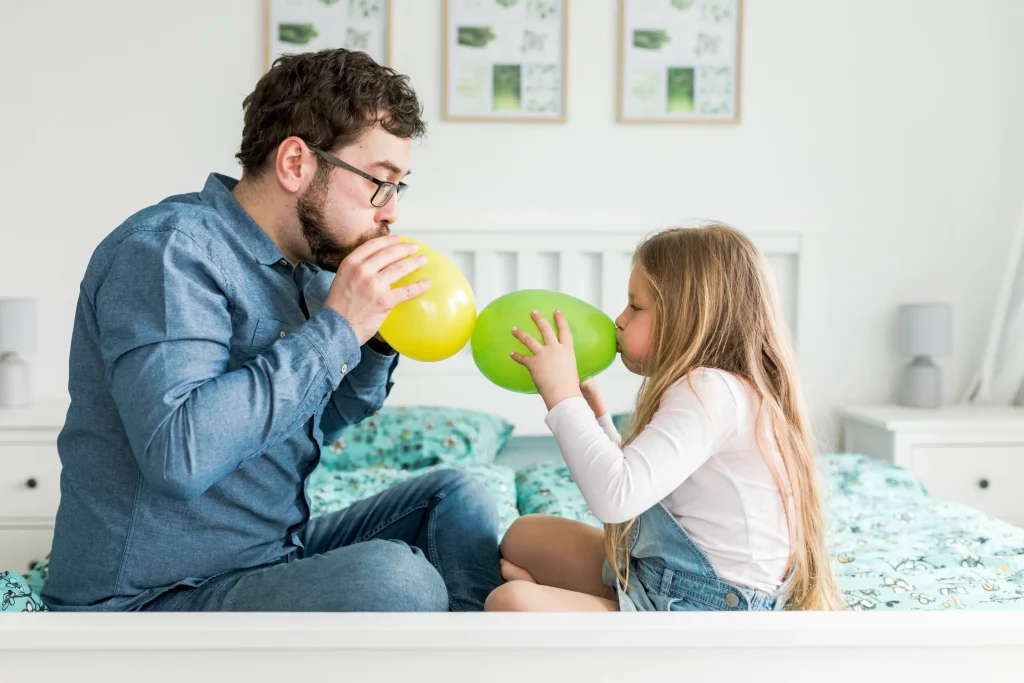
Telling a child to take deep breaths often backfires. It sounds abstract and frustrating when emotions are high. Make breathing concrete and playful.
Ask them to blow out birthday candles with you
Pretend to blow up a balloon slowly
Place a hand on the belly and feel it rise
Short simple breaths work better than long forced ones. Practice when your child is calm. Skills learned in calm moments are easier to access during stress.
Breathing is not about stopping feelings. It is about giving the body a signal that it is safe to slow down.
Skill three creating a calm down space not a time out
Many parents are moving away from traditional time outs because isolation increases distress. A calm down space is different. It is not a punishment. It is a place to reset.
This space can include soft pillows, books, sensory toys, or drawings. The key is choice. Invite your child there instead of sending them away.
Let’s sit here together until your body feels calmer
Over time children may choose this space on their own. That choice shows growing self awareness.
Skill four teaching body signals
Kids often act out before they understand what their body is telling them. Teaching body signals helps children catch emotions earlier.
Ask gentle questions when calm
What does your body feel like when you start getting upset
Do your hands feel tight or your heart fast
When children learn to notice early signs, they can use coping skills sooner. This reduces meltdowns and builds a sense of control.
This skill connects closely to emotional regulation and supports the larger goal of helping children manage big emotions in everyday life.
Skill five modeling coping instead of preaching it
Children learn more from what we do than what we say. When parents model calm responses, children absorb those patterns.
Say out loud what you are doing
I feel frustrated so I’m taking a breath
I need a moment before I respond
This does not require perfection. It requires honesty. Showing children that adults also regulate emotions makes coping skills feel realistic not like rules imposed from above.
Skill six routines that lower emotional load
Many emotional outbursts are fueled by hunger, fatigue, or unpredictability. Simple routines reduce stress on the nervous system.
Regular meal times
Consistent sleep schedules
Predictable transitions
These routines act as invisible coping supports. When the body feels safe emotions are easier to manage. This is why coping skills work best when paired with daily structure.
When coping skills do not seem to work
Some parents worry when skills do not bring immediate calm. This is normal coping skills are learned over time progress often looks uneven.
Ask yourself different questions:
Is my child returning to calm faster than before
Are emotional explosions less intense
Is my response more grounded
These signs matter more than instant silence, emotional growth is gradual and deeply human
If emotions feel extreme or unmanageable support from a child therapist can be helpful. Seeking help is not a failure. It is an extension of care.
Helping kids practice skills before emotions rise
Practice coping skills during neutral moments. Make it part of play or bedtime routines. Read stories about emotions. role play stressful situations.
What could we do if school feels overwhelming tomorrow
These conversations build emotional memory. when stress hits the brain reaches for what feels familiar.
This approach strengthens the full framework of coping skills for kids and makes skills accessible when they are needed most.
Supporting parents through the process
Parents need support too. managing big emotions in children often brings up our own emotional history. Patience grows when parents feel understood.
Be gentle with yourself, you are learning alongside your child. The goal is not perfection it is progress and connection.
Many families find it helpful to understand the bigger picture of emotional development. Learning why emotions behave the way they do creates relief and clarity. This perspective is explored further in the guide on big emotions in children and what’s normal as they grow
Building skills that last
Coping skills are not quick tricks. They are life skills. When children learn how to calm their bodies, name their feelings, and seek support, they carry those abilities into adolescence and adulthood.
If emotional meltdowns are still a major struggle ,the next step is learning how to respond in the heat of the moment. You may find support in the guide on how to handle emotional meltdowns without yelling or punishment.