
What is authoritative parenting? definition & examples
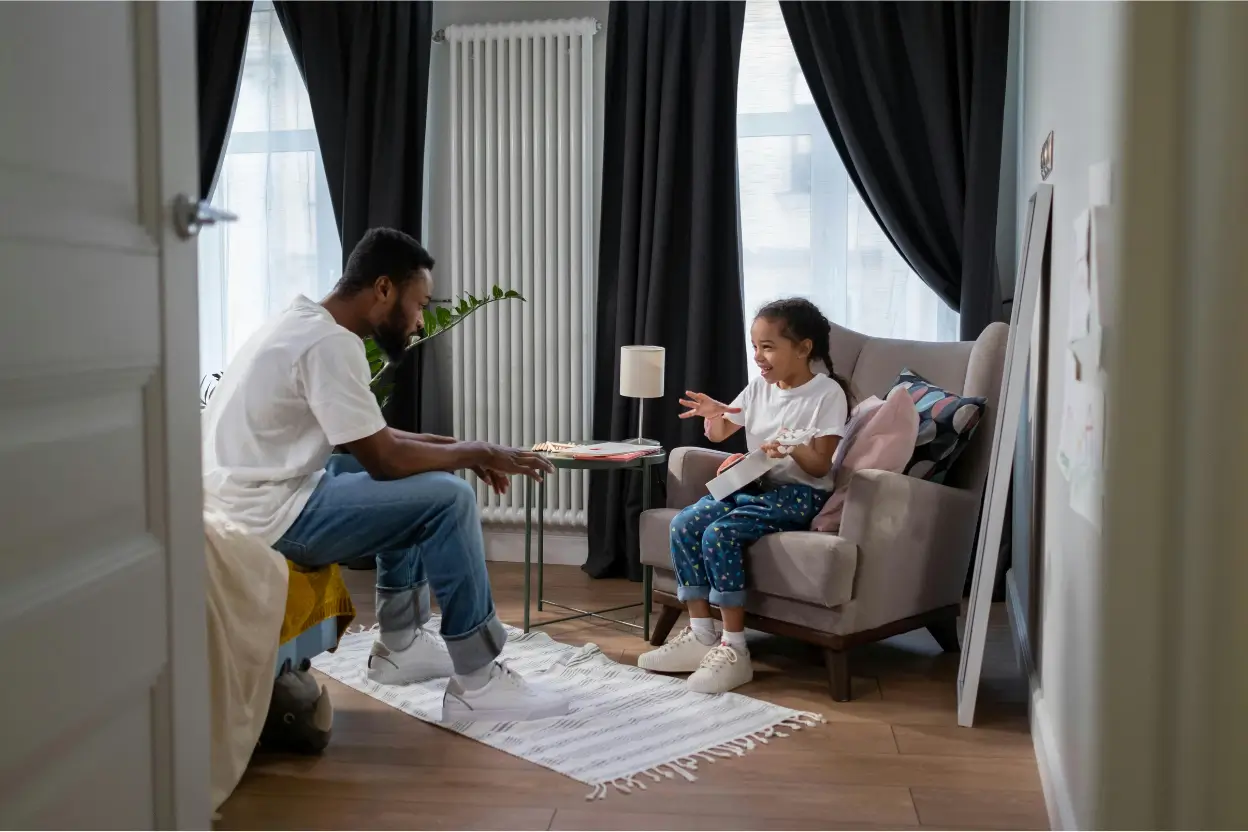
I remember the first time someone told me I was “too strict” with my daughter. She was three and I had just calmly but firmly redirected her from climbing on the grocery store shelves. The comment stung because I didn’t feel strict at all. I explained my rules and I listened to her feelings but I also had boundaries. Years later I learned there was actually a name for what I was doing and it wasn’t about being strict or lenient.
Authoritative parenting sits right in that sweet spot between being a drill sergeant and being your kid’s best friend. It’s the approach that research keeps coming back to as the most beneficial for children’s development. But what does it actually look like in real life beyond the textbook definition?
The core principles of authoritative parenting
At its heart authoritative parenting combines high expectations with high responsiveness. Think of it as having clear rules while still being emotionally available. You set boundaries and you enforce them but you also explain why those boundaries exist and you consider your child’s perspective.
The key difference from other styles is that you maintain your role as the parent. You’re not negotiating every decision like it’s a business deal but you’re also not issuing commands without explanation. When my daughter asks why she can’t have ice cream before dinner I don’t just say “because I said so.” I explain that eating sweets first will fill her up and she won’t get the nutrients from her meal. Sometimes she still protests but she understands the reasoning.
This approach requires consistency. Your rules don’t change based on your mood or how tired you are. If bedtime is 8pm it stays 8pm whether you had a rough day at work or not. Children thrive on predictability even when they push against it.
What authoritative parents actually do

The day to day reality of authoritative parenting shows up in small moments. When your son hits his sister you don’t yell or ignore it. You get down to his level and acknowledge his frustration while making it clear that hitting is not acceptable. You might say “I can see you’re angry that she took your toy but we don’t hit people. Let’s figure out another way to solve this.”
Communication flows both ways. You ask questions and actually listen to the answers. Your teenager wants to go to a party and you don’t automatically say yes or no. You ask who will be there if parents will supervise what time it ends. You gather information and then make a decision based on safety and your family values. If you say no you explain why.
Natural consequences play a big role too. Your child forgets their homework at home and you don’t rush to school to deliver it. They face the consequence at school and learn to be more responsible. You empathize with their stress about the grade but you don’t rescue them from their mistake.
Warmth balances all of this structure. You hug your kids daily. You tell them you love them. You celebrate their successes and comfort them through failures. The relationship stays strong even through discipline because your children know the rules come from love not from a desire to control.
How it differs from common misconceptions
People often confuse authoritative with authoritarian and I get why the words sound similar. But authoritarian parents demand obedience without explanation. There’s no room for the child’s input or feelings. It’s “my way or the highway” parenting. Authoritative parents do have authority but they use it differently.
On the flip side some parents worry that having firm rules makes them mean or damages their relationship with their kids. They lean toward permissiveness thinking it shows more love. But children actually feel more secure when they know what to expect. The boundaries you set tell them you care enough to guide them.
I’ve watched parents struggle with this balance. A friend of mine felt guilty every time she enforced a consequence. Her son would cry and she’d cave immediately thinking she was being compassionate. But what he really needed was to learn that actions have outcomes and that his mom cared enough to teach him that lesson.
The research behind this approach
Developmental psychologist Diana Baumrind first identified authoritative parenting in the 1960s and decades of research since then have backed up her findings. Children raised with this style tend to be more independent, socially competent and academically successful. They have better emotional regulation and higher self-esteem.
These kids aren’t perfect and that’s not the goal. They make mistakes like any child. But they’re more likely to take responsibility for those mistakes and learn from them. They develop internal motivation rather than just following rules to avoid punishment.
The long-term benefits extend into adulthood. Young adults who grew up with authoritative parents show lower rates of depression and anxiety. They form healthier relationships and make better decisions about risk-taking behaviors.
Age-appropriate applications
What authoritative parenting looks like changes as your child grows. With toddlers it might mean offering two acceptable choices instead of open-ended options. “Do you want to wear the red shirt or the blue shirt?” gives them autonomy within your boundaries.
Elementary-age children need more explanation as their reasoning skills develop. You can have conversations about why certain rules exist and even adjust rules together as they show more responsibility. My daughter earned a later bedtime when she consistently go t herself ready in the mornings without my reminders.
Teenagers require the biggest shift. The balance tips more toward guiding than directing. You’re preparing them for independence so you gradually release control while staying connected. You might negotiate curfew times based on the specific event rather than having one rigid rule. But you still enforce agreements and maintain core family values.
Making it work in your family
Starting with authoritative parenting or shifting to it from another style takes practice. You’ll mess up sometimes. I still catch myself being too rigid or too permissive depending on the situation. The goal is progress not perfection.
Begin by identifying your non-negotiables. What rules are essential for safety and values? Those stay firm. Everything else has room for flexibility. Pick your battles and save your energy for what truly matters.
Work on your communication skills. Practice getting down to your child’s level both physically and emotionally. Listen more than you lecture. Ask “what were you thinking?” before jumping to consequences.
Stay consistent especially in the beginning. Your kids will test the new approach because change feels uncertain. Hold steady and they’ll learn you mean what you say.
Moving forward with confidence
Authoritative parenting isn’t about following a script. It’s about understanding the principles and adapting them to your unique family. Your personality matters. Your child’s temperament matters. Cultural values matter. Take what works and adjust the rest.
The beautiful thing about this approach is that it strengthens your relationship while teaching important life skills. Your children learn to think critically, regulate emotions and respect both themselves and others. You’re not just managing behavior today but building character for their future.
If you’re curious about how this style compares to other approaches and whether combining elements might work for your family, exploring the differences between authoritative and permissive parenting can provide additional clarity. Understanding where you naturally fall on the spectrum helps you make intentional choices about the parent you want to be.
Authoritative parenting isn’t about following a script. It’s about understanding the principles and adapting them to your unique family. Your personality matters. Your child’s temperament matters. Cultural values matter. Take what works and adjust the rest.
The beautiful thing about this approach is that it strengthens your relationship while teaching important life skills. Your children learn to think critically, regulate emotions and respect both themselves and others. You’re not just managing behavior today but building character for their future.
If you’re curious about how this style compares to other approaches and whether combining elements might work for your family, exploring permissive parenting examples and effects can provide additional clarity on where you naturally fall on the spectrum and help you make intentional choices about the parent you want to be.