Should there be a balance of authoritative parenting & permissive parenting ?

Last week at the playground I watched two scenes unfold simultaneously. One mom sat on a bench scrolling her phone while her son climbed dangerously high on equipment meant for older kids. When another parent expressed concern she shrugged and said “kids need to explore” Twenty feet away a dad hovered over his daughter correcting every move she made on the monkey bars. “Not like that. Do it this way. You’re going to fall” should there be a balance of authoritative parenting permissive parenting
Neither approach felt right to me. The first child faced real danger with no guidance. The second couldn’t develop confidence because her dad controlled every movement. Both parents clearly loved their kids but something was missing in how they were handling the situation.
This tension between structure and freedom defines one of parenting’s biggest questions. Do children need firm boundaries and clear expectations or do they thrive with minimal rules and maximum autonomy? The research suggests the answer isn’t either or but rather how much of each and when
Understanding the spectrum between authoritative and permissive parenting helps you make intentional choices rather than reacting in the moment. It’s not about being perfect or following one rigid approach. It’s about knowing which tools work for different situations and different children.
The goal isn’t to control your child or let them do whatever they want. It’s to raise someone who can eventually control themselves and make sound decisions when you’re not around. That requires a thoughtful blend of guidance and independence that shifts as your child grows.
Understanding authoritative parenting

Authoritative parenting combines high expectations with high responsiveness. Parents who use this approach set clear rules and enforce them consistently while remaining emotionally available and willing to explain their reasoning.
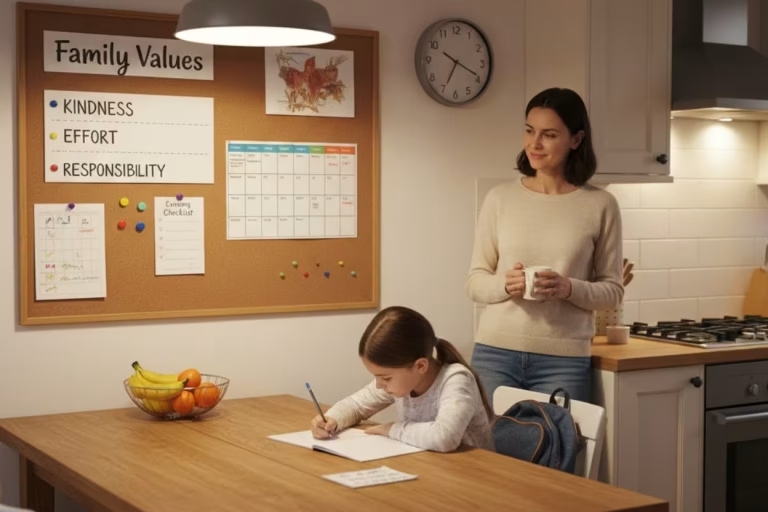
Think of it as having a foundation of firm boundaries wrapped in warmth. You maintain your role as the parent and decision-maker but you consider your child’s perspective and adjust when appropriate. The relationship stays strong through disagreements because your child knows the rules come from love not from a desire to control.
When my daughter was five she wanted to quit swimming lessons after the first class. I listened to her concerns about the cold water and explained why learning to swim mattered for her safety. We compromised by finding a pool with warmer water but the expectation of completing lessons stayed firm.
These parents communicate expectations clearly before situations arise. Bedtime is 8pm not “whenever you feel tired” Homework gets completed before screen time not “if you feel like it” The rules don’t change based on mood or circumstances which creates predictability children find comforting even when they complain.
Discipline focuses on teaching rather than punishing. When rules get broken consequences relate logically to the violation and parents explain the connection. You didn’t clean your room so you can’t have friends over until it’s done. The mess you created limits your privileges until you fix the problem.
Natural consequences play an important role too, your child forgot their lunch so they’re hungry at school. You don’t rush to deliver itbecause experiencing the discomfort teaches responsibility better than any lecture. You empathize with their hunger while letting them learn from their mistake.
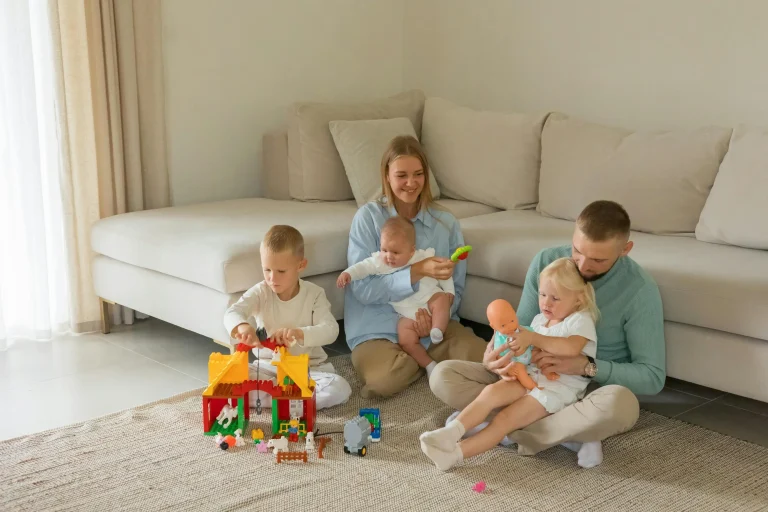
What makes this style effective is the balance. Structure provides security and teaches self-discipline. Warmth builds trust and emotional intelligence. Together they create an environment where children feel safe to grow and make mistakes while learning important life skills.
For parents wanting to dive deeper into how this approach works in daily life and what it looks like across different ages, exploring the core principles and characteristics of authoritative parenting provides practical examples and implementation strategies.
Understanding permissive parenting

Permissive parents prioritize freedom and avoid confrontation. They see themselves as their children’s friends rather than authority figures. Rules are minimal or inconsistently enforced and children have significant autonomy to make their own choices regardless of whether they’re developmentally ready.
The driving belief is that children should express themselves without restriction. These parents worry that saying no will damage their child’s spirit or harm the relationship. They mistake unconditional love for unconditional approval and think structure equals control
You’ll hear permissive parents phrase things as suggestions rather than expectations. “Maybe you should think about doing your homework” instead of “homework time is now” When children ignore these suggestions there’s rarely follow-through or consequence.
My neighbor’s daughter is eight and decides her own bedtime. Some nights she’s up until 11pm and then struggles through school the next day exhausted and cranky. Her mom says she doesn’t want to fight about it but the reality is her daughter needs guidance she’s not getting.
These households feel chaotic because boundaries shift constantly, A rule might exist one day and disappear the next depending on the parent’s energy level or the child’s protest intensity. Children learn that persistence pays off and that their parents’ words don’t carry real weight.
Discipline is almost non-existent. When problems arise permissive parents make excuses or blame external factors rather than holding their child accountable. The teacher is too strict. The other kid started it. My child was just having a bad day.
This approach isn’t the same as neglect. permissive parents are involved and affectionate. They attend school events and know what’s happening in their child’s life. The love is present but the guidance isn’t.
The confusion between supporting children’s autonomy and providing no structure at all leads many well-meaning parents down this path. They’ve read about the importance of respecting feelings and overcorrect by letting feelings dictate all decisions.
Real-world examples of permissive parenting show patterns that might feel familiar. The child who demands chicken nuggets every night and gets them. The family where screen time has no limits because enforcing them feels too hard. The teenager who faces no consequences for missing curfew because the parent doesn’t want conflict.
Short-term these choices avoid immediate discomfort. Long-term they create children who struggle with self-regulation, delayed gratification and understanding that other people have needs and boundaries too.
Comparing both approaches

The fundamental difference between authoritative and permissive parenting lies in how parents view their role. Authoritative parents see themselves as guides who prepare children for independence. Permissive parents see themselves as supporters who should never restrict their child’s desires.
Both styles involve love and attention. The distinction shows up in boundaries and expectations. Authoritative parents establish clear rules and enforce them consistently. Permissive parents either skip rules entirely or state them without meaningful follow-through.
Communication patterns reveal the contrast clearly. An authoritative parent explains reasoning and listens to their child’s perspective but ultimately makes the decision based on what’s best. A permissive parent negotiates endlessly and often lets the child’s preference win even when it’s not appropriate.
Picture a child throwing a tantrum in a store because they want candy. The authoritative parent acknowledges the feeling while maintaining the boundary “I know you’re disappointed. We’re not buying candy today ” If the tantrum continues they might leave the store. The consequence is clear and consistent.
The permissive parent in the same situation either gives in to stop the scene or makes empty threats they never follow through on. The child learns that escalating behavior eventually gets results and that their parent’s words don’t actually mean anything.
Discipline methods differ dramatically. Authoritative parents use natural and logical consequences to teach, You didn’t put dirty clothes in the hamper so they didn’t get washed. Permissive parents rescue their children from consequences. They bring forgotten homework to school or make excuses when responsibilities go unfulfilled.
The emotional climate varies too. Authoritative homes feel structured but warm. Children know what to expect and feel secure within those boundaries. Permissive homes ca n feel chaotic because rules shift constantly and children never know if today’s boundary will still exist tomorrow.
Long-term outcomes show stark differences. Children raised with authoritative parenting develop better self-control, emotional regulation and social skills. They perform better academically and show lower rates of depression and anxiety as they mature.
Children from permissive homes often struggle with these same areas.They have difficulty managing disappointment because they haven’t practiced. They expect immediate satisfaction and fall apart when life doesn’t accommodate them. Social relationships suffer because they haven’t learned that other people have boundaries too.
Understanding these key differences helps parents identify their current patterns and decide what needs to change. Most parents aren’t purely one style or the other but recognizing where you fall on the spectrum creates awareness needed for intentional adjustment.
The science behind balanced parenting
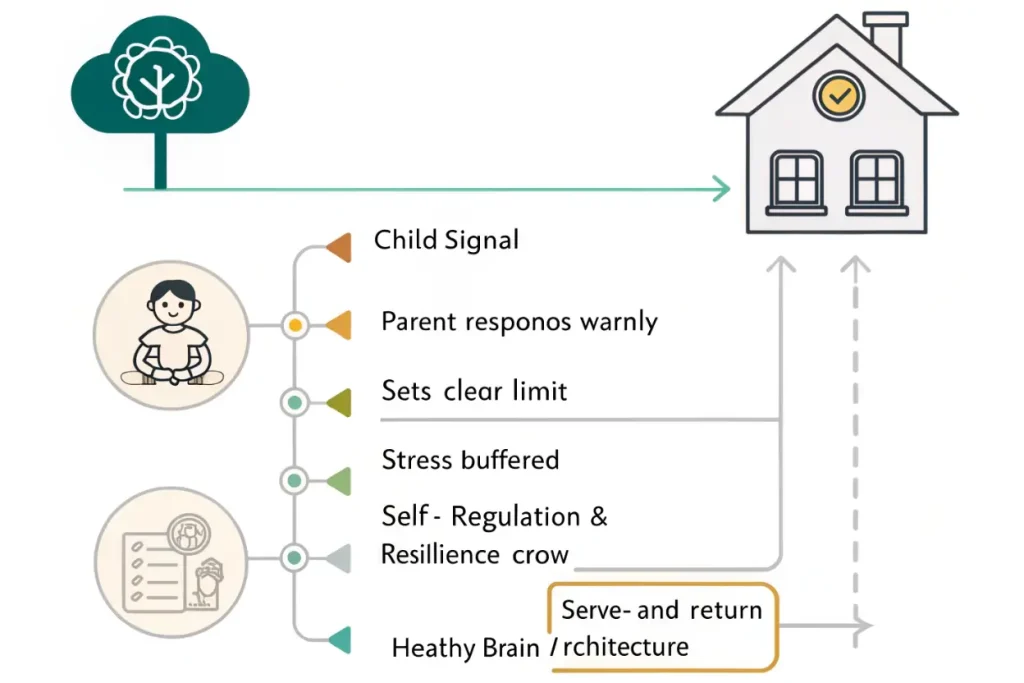
When you look at research across decades a clear pattern emerges. Children do best when parents combine warmth with structure. Neither extreme works well on its own. Too much control without connection leads to fear and rebellion. Too much freedom without guidance leads to anxiety and poor self-regulation.
Developmental psychologist Diana Baumrind first described these patterns in the 1960s. Her work showed that kids raised with authoritative parenting tended to be more independent, socially competent and academically successful. Later studies confirmed these findings and expanded them across different cultures and family backgrounds.
Modern neuroscience helps explain why, a child’s brain develops through repeated interactions with caregivers. When parents are responsive and nurturing while also setting clear limits, they create what researchers call (serve and return) exchanges. The child reaches out through behavior or emotion and the parent responds in a way that is both kind and firm. These patterns literally shape the brain’s wiring for emotional control and decision-making.
Stress hormones tell another part of the story. Children in chaotic or unpredictable environments show higher levels of cortisol. This affects learning, memory and mood. Permissive homes might feel loving on the surface yet still create stress because there is no solid ground. Children don’t know what to expect or who is really in charge.
On the other hand children in harsh, authoritarian homes also experience elevated stress. They may follow rules but they often do it out of fear not understanding. They learn to obey when watched rather than developing inner motivation and judgment.
Balanced parenting allows for what experts sometimes call “good stress” This is the manageable challenge that helps children grow. A child might feel disappointed about losing a privilege or nervous about tackling a difficult task, but they know their parent is in their corner. The discomfort teaches resilience rather than overwhelm.
Long-term studies following kids into adulthood show that those raised in more authoritative environments tend to:
- handle frustration better
- take responsibility for their actions
- develop healthier relationships
- engage in fewer risky behaviors
These outcomes come from the combination of emotional safety and clear expectations. Both elements matter. Too often parents focus only on one side and forget the other.
When you think about whether there should be a balance of authoritative parenting and permissive parenting it helps to remember that very few families fit neatly into one box. You might lean authoritative most of the time but respond permissively in certain areas like technology or food. Or you could be strict about schoolwork yet lenient about manners.
Research doesn’t say you must follow a script. It points toward principles. Children need to feel loved and heard. They also need boundaries and accountability. Within that framework there’s room to adjust based on your child’s temperament, your culture and your family’s specific needs.
For a closer look at how different approaches compare in real life, especially when it comes to rules, discipline and communication, examining the key differences between authoritative and permissive parenting side by side can bring a lot of clarity and help you see where your current style fits on the spectrum.
How to create your own balance in real life
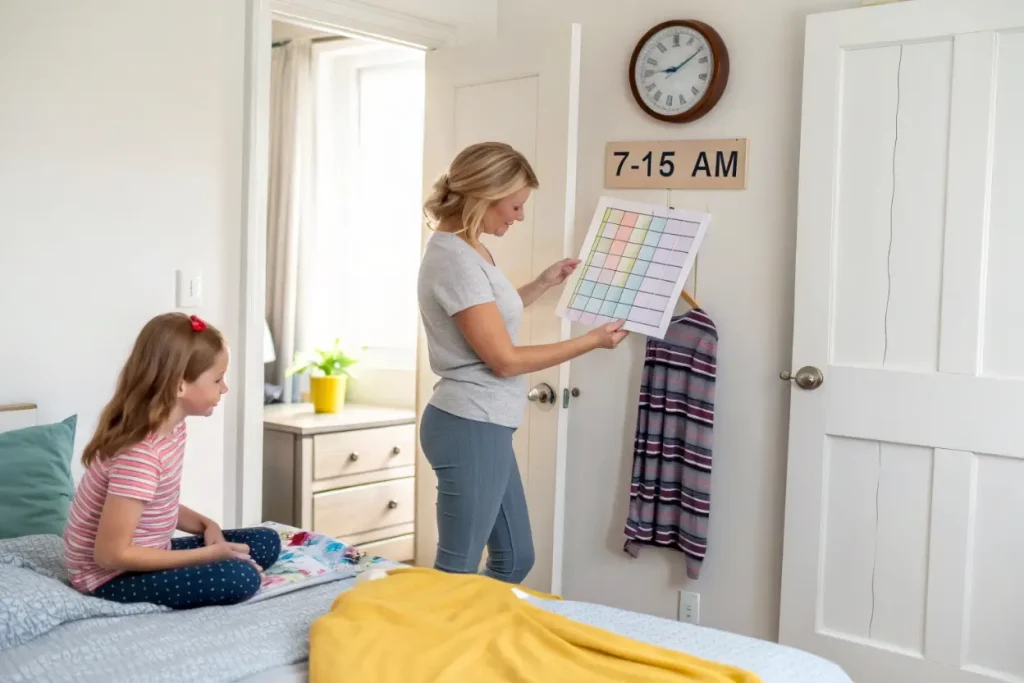
Knowing what the research says is helpful, but translating it into daily choices is where most parents get stuck. You might understand the benefits of structure and warmth yet still feel torn in the moment when your child is crying, arguing or ignoring you.
The first step is getting honest about your natural tendencies. Some of us are more comfortable with rules and order. Others are naturally more relaxed and hate conflict. Neither tendency is wrong but each brings blind spots.
If you lean permissive you probably value connection deeply and fear damaging the relationship. Your work is learning that boundaries strengthen trust when they are fair and consistent. If you lean more authoritarian you likely care about responsibility and respect. Your challenge is remembering that listening and flexibility do not equal weakness.
A practical way to create balance is to separate issues into categories :
- safety
- health
- core values
- preferences and personal style
Safety issues need firm boundaries. Seat belts, car seats, bike helmets, supervision near water and online safety are not flexible topics. Here you act more clearly authoritative. You explain your reasoning but the rule stays.
Health topics also need structure, though there’s room for some negotiation as kids get older. Sleep routines, basic nutrition and movement fall into this category. You might discuss bedtime and involve your tween in setting a realistic hour, but you don’t simply remove limits because they protest.
Core values depend on your family. Honesty, kindness, effort, respect, faith these are areas where you lead strongly. You model them, talk about them and set clear expectations. When children cross these lines you respond consistently.
Preferences and personal style have far more elastic boundaries. Clothing choices that are weather-appropriate, hairstyle decisions, room décor, hobby interests, even certain social choices can allow for more freedom. You still guide if something conflicts with safety or values, but you aim to step back and let your child own these areas.
Within all of this, the way you respond matters just as much as what you decide. Balanced parenting sounds like:
- I get that you’re disappointed. The answer is still no because we need to prioritize sleep
- You really want more screen time. Let’s look at your schedule and see where it fits after homework and chores.
- I hear that you think the rule is unfair. Tell me what feel s unfair and we’ll talk about it. The rule stays for now, but I’m listening.
You don’t ignore emotions. You don’t let emotions drive the whole car either. You make room for both feelings and limits.
Daily routines offer some of the best opportunities to blend authoritative structure with permissive-style flexibility.
- Morning routines: You set the departure time and essential tasks. Your child chooses what to do first or what to wear within reasonable limits.
- Homework: You insist that it gets done. They choose whether to start right after school or after a snack, where to sit and in what order to do assignments.
- Chores: You define what needs to be done each week. They choose which tasks they prefer or when to do them within a set deadline.
This approach respects your child’s growing independence while reminding them that responsibilities still exist.
Natural and logical consequences help you avoid swinging too far toward either extreme. You don’t need harsh punishments and you also don’t need to protect your child from all discomfort.
- If they don’t pack their sports gear they miss practice.
- If they spend their allowance at once they wait until the next week for more.
- If they speak rudely they pause the conversation until they can try again respectfully.
You respond calmly and consistently. You empathize with their frustration but you do not erase the consequence. Over time your child starts connecting actions with outcomes in a way that builds maturity.
Of course there are days when you will be more permissive than you intended and others when you’ll be more rigid than you wish. Parenting balance is not a fixed state you achieve once. It’s something you adjust constantly as you and your child grow.
If you’re looking for concrete tools to put this balance into practice step by step in everyday situations, learning how to balance structure and freedom in your parenting can give you specific scripts, routines and examples you can try immediately at home.
Common challenges and solutions

Even when you understand the principles and commit to blending structure with warmth, real life throws obstacles in your path. Some are predictable. Others catch you off guard. Knowing what to expect and having a plan helps you stay consistent when things get hard.
The biggest challenge most parents face is their own inconsistency. You start strong with new boundaries but after a long day at work or during a stressful week you let things slide. Your child learns quickly that the rules only apply when you have energy to enforce them.
I’ve been there more times than I want to admit. My daughter knows when I’m tired and she pushes harder in those moments. If I give in even once she remembers it and tries again next time. The solution isn’t being perfect. It’s getting back on track quickly after you mess up.
Acknowledge when you didn’t follow through. “I said you’d lose screen time and I didn’t stick to it. That was my mistake. Starting now the consequence applies.” This teaches accountability while getting you back to consistency.
Prepare decisions in advance so you’re not making them in emotionally charged moments. Decide now what happens when your child refuses to do homework or when they talk back. Having a preset plan removes the temptation to cave when you’re exhausted.
Co-parent conflicts create another major hurdle. Maybe your partner thinks you’re too strict or you believe they’re too lenient. Your child notices the disagreement and plays you against each other. Everyone ends up frustrated and nothing improves.
This requires honest private conversations between adults. Find your common ground first. You both want your child to be responsible, kind and successful. Build from shared values rather than fighting over specific methods.
Compromise where possible. Maybe one parent prefers natural consequences while the other likes logical ones. As long as you’re both providing structure and following through consistently the exact approach matters less than presenting a united front.
For divorced or separated parents this gets messier. You can’t control what happens at the other house. Focus on maintaining your boundaries in your home and teaching your child that different places have different expectations. It’s not ideal but children are more adaptable than we give them credit for.
Child resistance tests every parent’s resolve. Your child will fight new boundaries especially if they’ve gotten used to having none. They’ll try guilt trips, manipulation, tears and anger to restore the old pattern where they got their way.
“You don’t love me anymore” stings when your eight-year-old says it with tears streaming down their face. “Other parents let their kids do this” makes you question whether you’re being unreasonable. “You’re ruining my life” from your teenager feels like a knife even though you know it’s dramatic.
These are manipulation tactics not truth. Your child is testing whether you’ll cave if they escalate emotionally. Stay calm and empathetic without changing your decision. “I can see you’re really upset. I love you and the answer is still no.”
Expect what experts call the extinction burst. Behavior gets worse before it improves because your child is desperate to make the old pattern work. They ask nicely, then whine, then cry, then have a full meltdown. If you give in during this phase you’ve taught them that extreme escalation is what finally gets results.
Push through the extinction burst and the behavior decreases dramatically. My daughter went through this when I changed screen time rules. The first week was brutal with daily battles. By week two she accepted the new reality. Now she doesn’t argue because she knows the boundary won’t move.
Your own guilt and doubt might be the hardest obstacle. You question whether you’re being too harsh. You worry about damaging your relationship. You feel terrible when your child is unhappy.
I spent months second-guessing every decision. Was enforcing consequences traumatizing my daughter? Would she resent me forever? Was I just being controlling for no good reason?
What helped was focusing on long-term goals rather than short-term feelings. Yes my daughter was upset about consequences. But I was teaching self-control and responsibility. The temporary discomfort served a purpose bigger than avoiding a few tears.
Remember that your child’s momentary unhappiness doesn’t equal failure. Children need to experience disappointment and frustration to develop resilience. Shielding them from all negative emotions actually harms their development.
Extended family can undermine your efforts without meaning to. Grandparents want to spoil their grandchildren. They think you’re too strict. They slip your kid treats after you said no or let them stay up late during visits.
This requires direct but kind conversation. Explain that you’re not trying to be mean but you’re teaching important lessons about limits. Ask them to support your core rules even if they disagree with specifics.
Frame it as helping you rather than criticizing them. “I’m working on teaching her self-control and I need your support staying consistent. It confuses her when the rules are completely different at your house.”
If they won’t cooperate you might need to limit unsupervised time. It’s uncomfortable but protecting your parenting approach matters more than avoiding family tension.
Progress often feels painfully slow. You’ve been working on changes for weeks and nothing seems different. Your child still tests every boundary. You still feel exhausted. You wonder if any of this is working.
Parenting progress rarely follows a straight line. You’ll have good days and terrible days. Three steps forward and two steps back. This doesn’t mean you’re failing. It means you’re dealing with a complex human who’s also learning and growing.
Look for small wins rather than complete transformation. Did your child accept no with less arguing than last week? Did bedtime happen ten minutes faster? Did they clean their room without being asked three times? These incremental improvements add up even when they feel insignificant in the moment.
Track patterns over weeks rather than days. Keep notes about challenging behaviors and review them monthly. You’ll see progress you wouldn’t notice day-to-day when you’re in the trenches dealing with the latest meltdown.
Expect setbacks during transitions or stress. Your child will revert to old behaviors when they’re tired, sick or anxious. Starting a new school year, moving, family changes, even growth spurts can trigger regression. This is normal not evidence that your approach failed.
Give changes real time to work. Meaningful behavioral shifts take months not weeks. If you started with very permissive parenting and you’re moving toward more structure your child needs time to adapt to the new reality. Commit to at least three months before evaluating whether something is working.
Finding support makes everything easier. Other parents who share similar values can encourage you when you’re ready to give up. A text saying “stay strong, you’re doing the right thing” from someone who understands makes all the difference.
Look for parenting groups online or in your community. Consider working with a parenting coach or family therapist especially if you’re dealing with particularly challenging behaviors. Professional guidance provides strategies tailored to your situation and accountability to stay consistent.
Read about child development so you understand why your approach works. Knowledge builds confidence that you’re on the right track even when results feel slow. Understanding the neuroscience behind balanced parenting or the research on long-term outcomes reminds you why the hard work matters.
For parents feeling stuck or overwhelmed by the day-to-day struggles of implementing these changes, understanding common obstacles and their solutions in more detail provides troubleshooting support that helps you push through difficult transitions and stay consistent when everything in you wants to give up.
Kids thrive with both warmth and structure. The goal is not perfect parenting. It is a steady pattern of clear limits and real connection.
Balanced parenting means leading with kindness and clarity. You listen. You explain. You stay consistent. You do not let emotions run the whole decision.
The balance shifts as children grow. Toddlers need more structure. Teens need more autonomy. But love and boundaries stay present at every age.
Start small. Pick one area like bedtime, homework, or screen time. Make that one thing consistent before adding more. Expect ups and downs. Notice small wins. Keep going.
Your child does not need a perfect parent. They need a present parent who gives both love and limits.